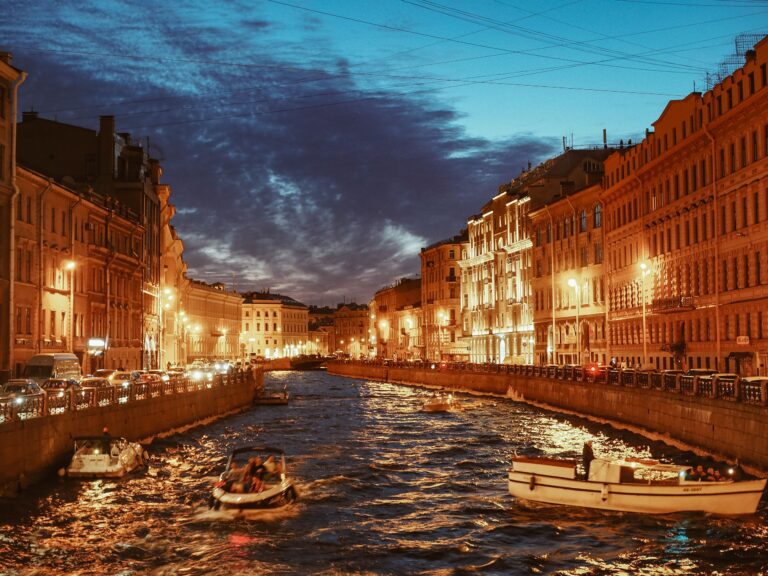
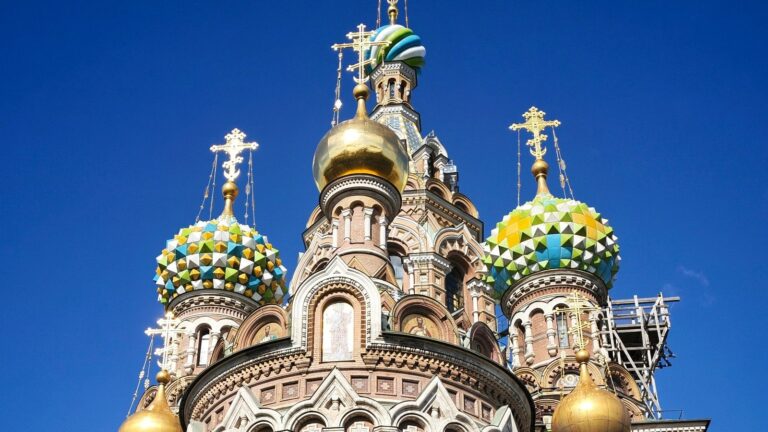
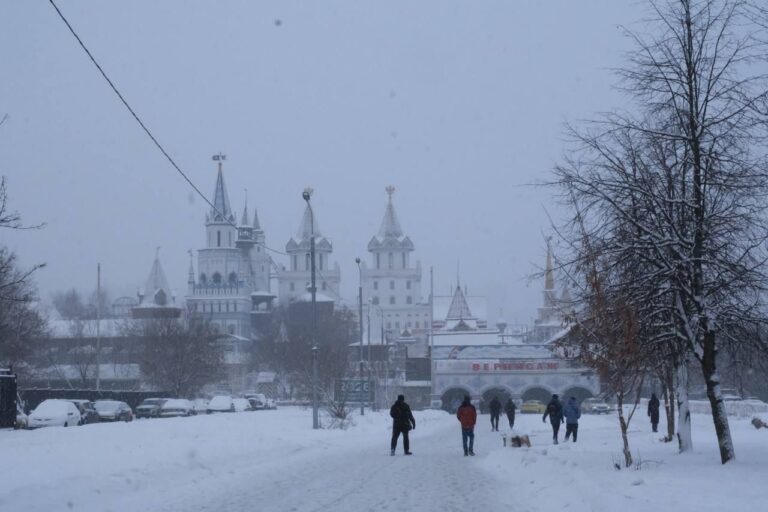
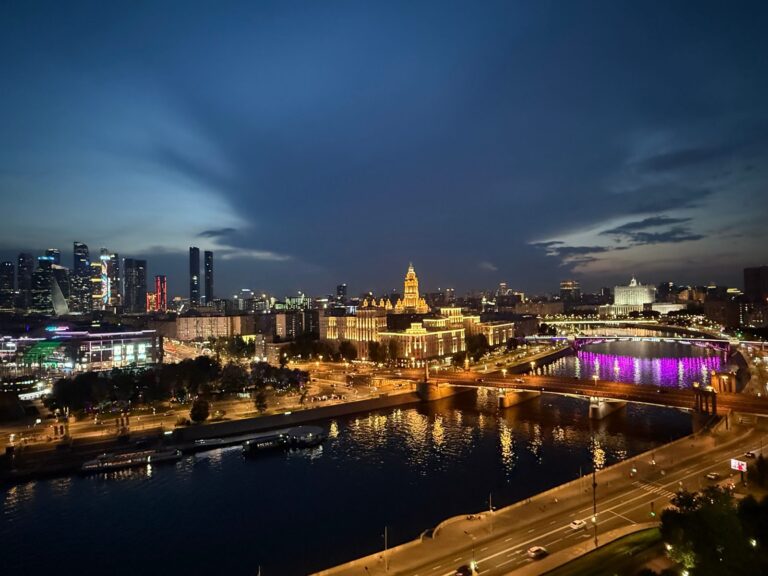
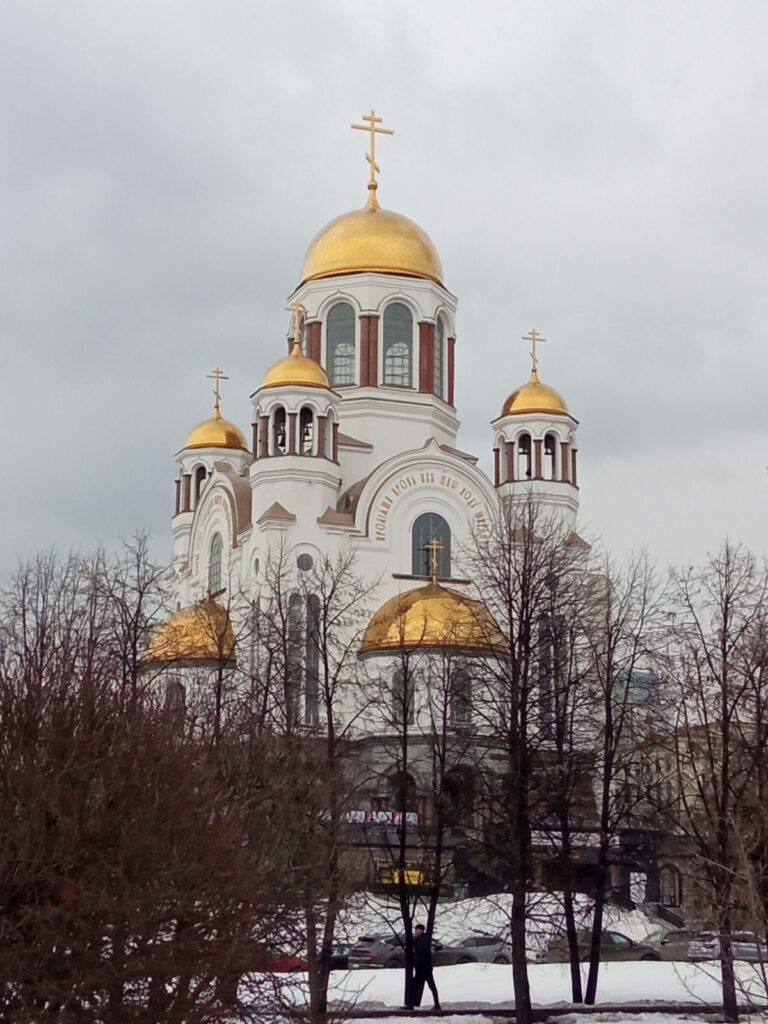
Fran is a Spanish traveller who has been to Russia several times and, on his latest trip, combined Moscow with two getaways into the country’s most classic surroundings: Suzdal and Vladimir. He went on a private visa and split his travels between the summer of 2025 and January 2026, so he got to know Moscow in dry heat and also under the snow and the -20º of winter. His account isn’t so much about monuments as about the practical side of things: how he paid, how he got around, what happened with his phone and why, in spite of everything, he thinks you should go.
I liked it precisely for that reason: these are the tips of someone who has already tripped over the stones on the path and points them out to you one by one. If you’re planning your trip, take note.
What follows is Fran’s account, with his tips and his own photos. I’ve shaped his text so it reads at an easy pace, but everything he tells is his. Thank you, Fran, for sharing it.
Approximate route of Fran’s trip: Moscow as a base, with getaways to Vladimir and Suzdal, in the Golden Ring. Map: OpenStreetMap.
The flight: Turkish Airlines and the layovers
I flew with Turkish Airlines on every leg. It has one clear advantage: your suitcase is checked all the way through to your destination without having to pick it up at the layovers. I did Madrid-Moscow with a stopover in Istanbul, and it’s a long, tiring journey. In both Turkey and Moscow the security checks are repetitive and slow, though I had no problems at all despite not speaking English.
Istanbul airport is huge, so leave plenty of margin between flights: better a three-hour layover than having your heart in your mouth juggling the walk and the checks. A word of warning about the airline: it charges you to choose your seat, often doesn’t honour it and doesn’t refund you.
Cash: watch out for your banknotes
With cash, on the other hand, I did have a lot of problems, and this is what I most want you to know. The banknotes I had on me were practically new and well protected, and even so I had to trek round several banks: in the end, a third of them I couldn’t change at all. The best rate I found at VTB bank. They always asked me for my passport and there was a limit of €400 a day per passport.
If you’re going to carry euros, get hold of the newest banknotes you can; it’ll save you a lot of walking around. I learned it as I went, but it’s all explained in detail here: bringing euros in cash to Russia. The good news is that you can pay in cash almost everywhere, even on the bus. You can also install the Yandex Go taxi app and choose cash payment, though in my case I always had some hassle over the price and the driver. To understand what works and what doesn’t when it comes to paying, take a look at how to pay in Russia.
Opening a T-Bank account
What really saved my life was opening an account online with T-Bank. Two days later they come to your accommodation to take your details and hand you the debit card. All you need is your passport and visa. From then on I always paid by card, and at their ATMs you can withdraw and deposit cash. In theory you can also deposit euros, though that didn’t work for me.
If you’re thinking of doing the same, I’d recommend reading the step-by-step guide first on how to get a T-Bank card as a foreigner: that way you arrive with your homework done and the whole thing takes just a short while.
Getting around by taxi with Yandex Go

Yandex taxis are very cheap, but the service is mediocre: poorly maintained vehicles and the odd no-show driver who had already agreed the route and the price. Even so, I used them a huge amount, even between cities. If you’re going to rely on them, this guide to using taxis in Moscow, Saint Petersburg and other Russian cities will come in handy, as it explains how the apps work and what to expect.

The people and the language

True to the clichés, people are very serious and keep their distance, but they always try to help you when you ask. We Mediterraneans find it hard to adjust to that seriousness and a cooler manner; the language doesn’t help either, but it’s clear that we’re the ones who are out of step. It’s really useful to learn a few phrases and polite greetings in Russian: people appreciate it. It’s a very difficult language, but you don’t need to read Pushkin, just the bare minimum to be polite.

Phone and internet: eSIM, registration and VPN
I arrived with a GigSky eSIM and a national Orange SIM, but there’s a 24-hour blackout on arrival unless you register your number on a website right at the airport where you land. In the end I used a Russian number someone lent me. If you want to arrive with your data already sorted, an eSIM for Russia installed before you leave is enough.
On both fixed internet and mobile, I always use a VPN. Telegram used to work very well, but this year it’s already giving trouble. I also had frequent data outages: whole days with no connection and no GPS, for security reasons involving drones near Moscow, though I never saw or heard a single one. My trick: download maps to your phone to use them offline, both Google’s and Yandex Maps’ (better than Google), and download the language packs too so you can translate without data. Yandex Translate in particular works very well.
Safety
There’s more safety than in any town in Spain, by day and by night, for adults and for children. That said, in the current political climate there can be problems in the south and, especially, on the western borders, so it’s worth doing your research before going near those areas.
Eating well and cheaply: the stolovayas

You eat well and cheaply at the popular canteens, the stolovayas. You have to try traditional Russian food, especially the soups and salads, which are many and very varied. Don’t waste your time on burgers and fast food: they’re the same as everywhere. And if you like vodka, welcome home. To play it safe with budget spots, here’s a list of where to eat cheap in Moscow, and if you want to understand the dishes before ordering, this guide to Russian food.

The weather: from dry summer to winter at -20º

In the height of summer, the Moscow area and its surroundings are dry and hot. In the depths of winter, on the other hand, the cold is very bearable down to -20º; below that temperature it’s the wind that makes it unpleasant on your face and eyes. I did both seasons and each one has its charm. If the idea of going in the snow tempts you, you’ll enjoy Miki’s chronicle: he drove to Russia in the dead of winter.

Moscow, Suzdal and Vladimir

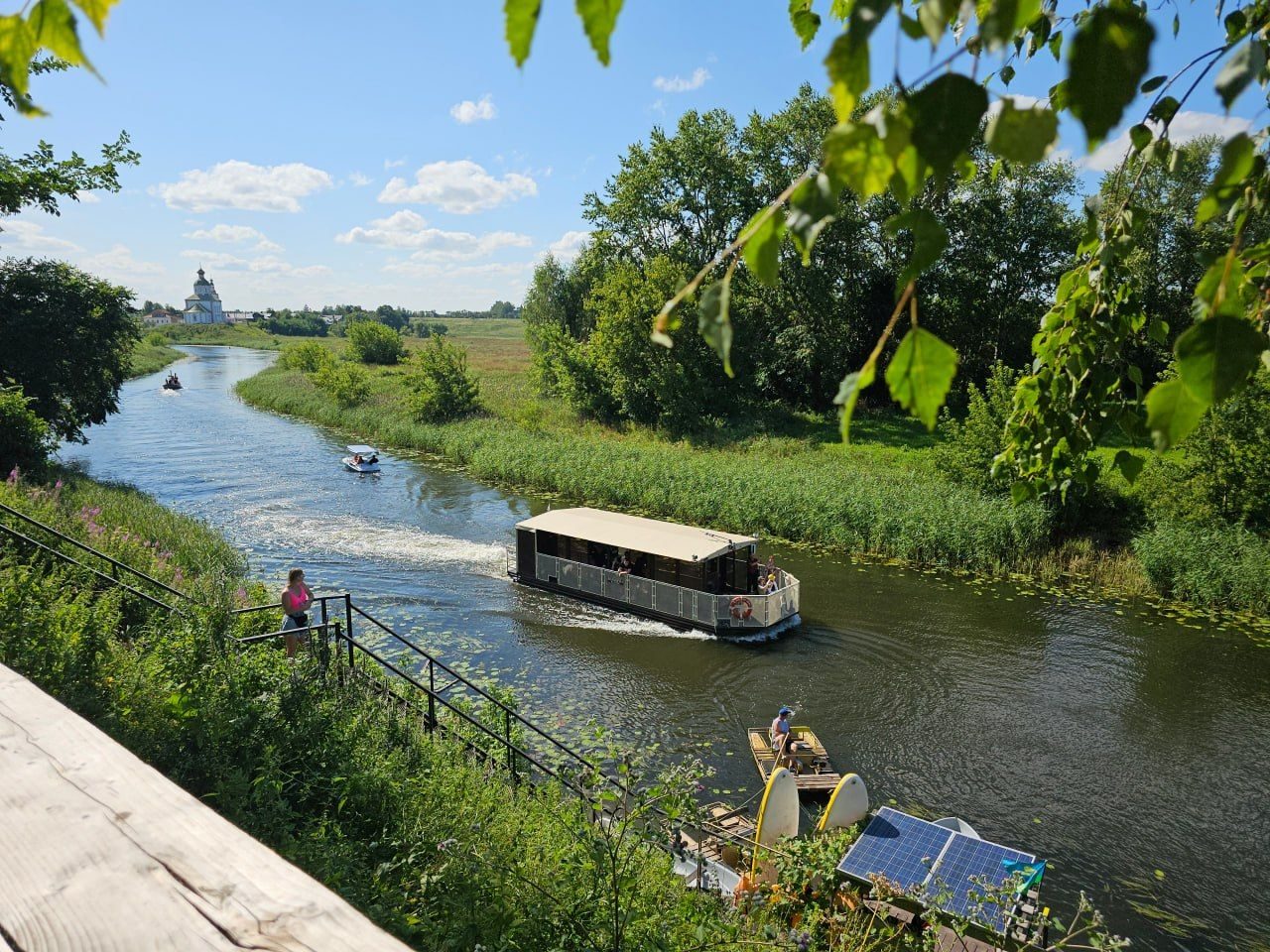
I used Moscow as a base and from there I slipped away to Suzdal and Vladimir, two nearby cities that are part of the famous Golden Ring. If you’re thinking of doing the same, this guide to the Golden Ring helps you decide which cities best fit your time and your route.


My conclusion

If you’ve never been to Russia, you should go, now more than ever, in spite of the geopolitical conditions and precisely because of them. It’s a country that upends your clichés and gives you back a whole heap of memories: the seriousness that turns into help when you ask for it, the safety of walking at night without a second thought, a hot soup in a stolovaya for a few roubles and the silence of the snow at -20º. Go with new banknotes, your phone sorted and plenty of enthusiasm: the rest sorts itself out as you go.
What I take away from Fran’s chronicle
Four things I’d underline from his experience if you’re planning your trip:
- The newer your banknotes, the better. Fran lost time changing euros because a third of his notes were refused. Carry them immaculate and have a plan B with a card.
- A T-Bank account changes the trip. They sort it out for you in a couple of days with just your passport and visa, and from then on you pay by card and forget about cash.
- Sort your phone out before landing. Register your number to skip the 24-hour block, carry a VPN and download maps and a translator offline: the data outages are real.
- Go in whichever season you like. Dry summer or winter at -20º, both versions of Russia are worth it; only what you pack in your suitcase changes.
Have you travelled to Russia recently and want to share your experience? Tell me about your trip here and I’ll publish it in this section, with your name or anonymously, whichever you prefer. And if you have questions before you set off, on the Russiable forum you can ask whatever you need. Accounts like Fran’s are the ones that really help those who are planning their trip.