
Murmansk: The Complete Travel Guide
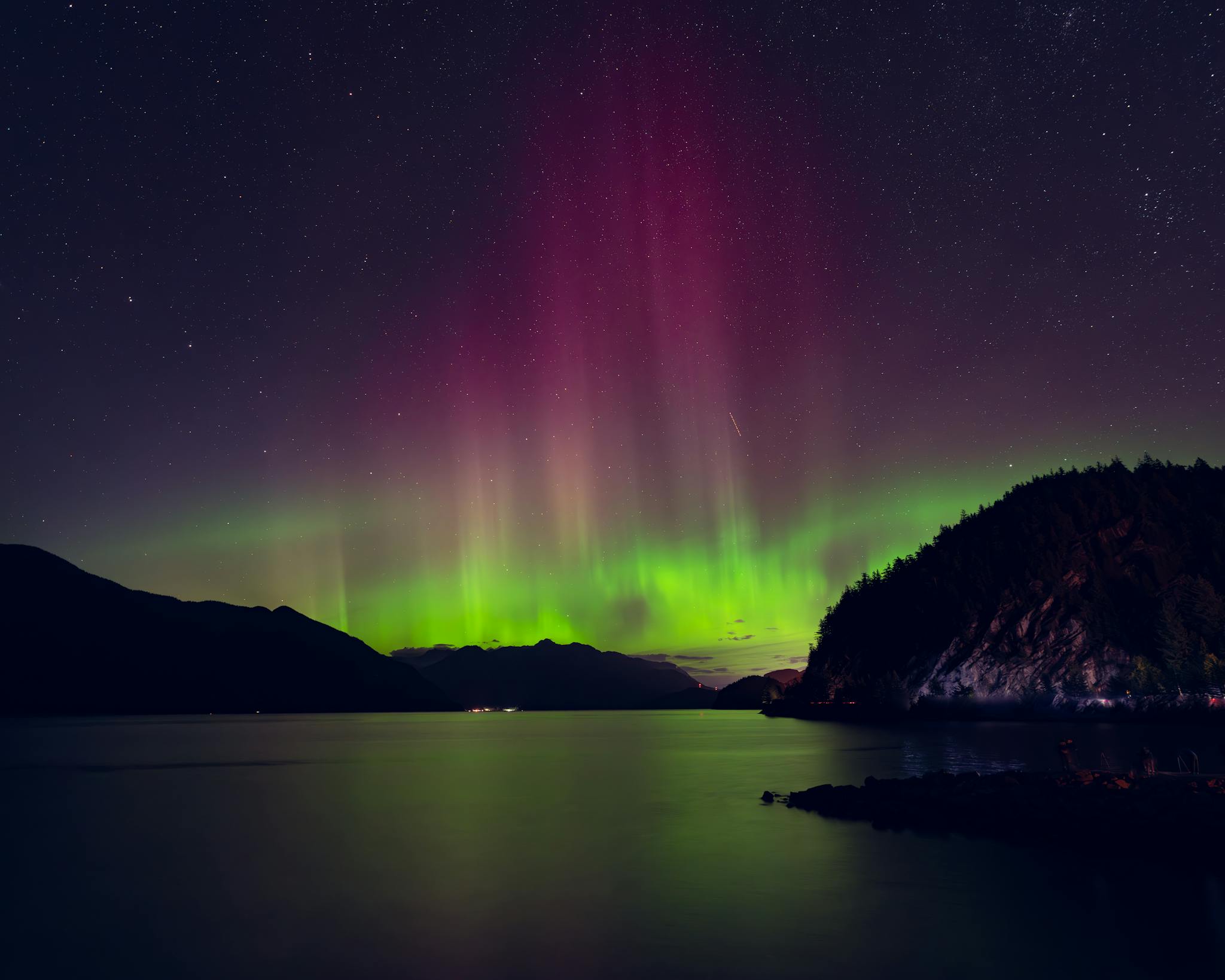
Murmansk is the largest city in the world north of the Arctic Circle and one of the best places on the planet to see the northern lights. Here’s when to go, how to get there, how many nights to book, where to stay, which tours to take and all my guides to the city.
In 30 seconds
Murmansk in numbers
- 3 or 4 daysto give yourself several nights’ margin: the aurora depends on clear skies.
- Late August to mid-Aprilis northern lights season; February is the best month.
- 2 h 30 min by planefrom Moscow and 2 hours from Saint Petersburg.
- No direct flightsfrom Europe: you connect in Moscow or Saint Petersburg, or come overland from Norway.
- -10 °C on averagein January, milder than its latitude suggests thanks to the Gulf Stream.
- 3,000 to 7,500 ₽per person for a group night trip to chase the aurora.
Getting there
How to get to Murmansk
Murmansk has an international airport (MMK), but because of the sanctions there are no direct flights from Western Europe or the Americas. The realistic option is to enter Russia through Moscow or Saint Petersburg and take a domestic flight from there: 2 h 30 min from Moscow and 2 hours from Saint Petersburg (4,000 to 12,000 ₽ one way, depending on the season and how far ahead you book). Russian airlines’ websites don’t accept foreign cards, so you buy through an intermediary. If you have time, the overnight train crosses the whole of Karelia: from Saint Petersburg it takes about 24-26 hours, and from Moscow there’s the Arktika, from Leningradsky station.
The other way is overland from Norway: a flight from Oslo to Kirkenes and a direct minibus to Murmansk via the Storskog–Borisoglebsk crossing, the only one open between Scandinavia and Russia. It’s a quick crossing, but the e-Visa isn’t valid there: you need a paper visa. Once in Murmansk, the airport is about 24 km from the centre: bus 106 costs about 110 ₽ and a taxi 1,500 to 2,000 ₽.
When and how long
Best time to go and how many days to spend
For the northern lights, the season runs from late August to mid-April. February is the best month: 18-20 hour nights, stable skies, snow for photos and every winter activity running. March is a close second. December and January work too, but they’re colder and fall in the polar night, from 2 December to 11 January, when the sun doesn’t rise at all.
Murmansk isn’t only about winter: in summer there are whales in the Barents Sea and hiking in the Khibiny, and September is probably the most complete month, with aurora and whales still around. As for days, book at least 3 nights, ideally 4 or 5: with 1 or 2 it’s a lottery. A good plan for 8 days in winter is 3 nights in Moscow or Saint Petersburg and 4 in Murmansk, with a trip to Teriberka and night outings to chase the aurora.
Northern lights
Where and how to see the northern lights
Murmansk lies at 69° north, right under the auroral oval: here all it takes is a clear night and a KP index of 2 or 3 for the lights to appear. The most likely window is 22:00 to 03:00, and the hunt is a 4- to 6-hour vigil out in the open. The rule is to get away from the lights: you can see them from the city when activity is strong (the Alyosha monument, on a hill, is a good spot for the first night), but the best places are outside: Teriberka, on the Barents Sea; the Khibiny mountains, near Kirovsk; Lovozero, the centre of Sami culture; and Pechenga, the least touristy option.
What I recommend is an organised tour: the guide decides where to go based on that night’s cloud forecast, knows the restricted areas and usually brings a photographer. Group trips cost between 3,000 and 7,500 ₽ per person.
Where to stay
Where to stay in Murmansk and Teriberka
Murmansk has plenty of choice, from 4-star hotels such as the Azimut Hotel Murmansk or the Park Inn Polyarnie Zori to hostels and apartments, almost all on Lenin Avenue, the main street, and around it. In February and March prices go up (a decent hotel costs 5,000 to 9,000 ₽ a night): book ahead, especially for February weekends.
If you want to sleep close to the aurora, Teriberka has heated glamping, small hotels and private houses, at 6,000 to 15,000 ₽ a night. There isn’t much and it fills up in high season: book two or three weeks ahead. Some have an “aurora alarm” and wake you when the sky lights up. Booking and Airbnb don’t operate in Russia; I explain which website works with a foreign card in my guide to hotels and apartments in Russia.
The city
What to see in Murmansk and how to get around
Spend the first day on the city while you wait for nightfall. The must-sees are the Alyosha monument, a 35-metre statue to the Soviet defenders of the Arctic on Cape Verde hill, with the best view of the Kola Bay; the nuclear icebreaker Lenin, the first nuclear-powered ship in history, now a museum (entry costs 1,000 ₽ and in season it’s worth booking); the lighthouse memorial to the sailors of the Kursk submarine; the Regional Museum, and Five Corners Square.
In winter, walking from one sight to the next isn’t practical: the usual thing is a 3-4 hour sightseeing tour by minivan, for 2,500-4,500 ₽ per person in a group. To get around on your own, public transport and Yandex Go taxis, which work without problems (without a MIR card, you pay the driver in roubles). To leave the city independently you need a car, but driving in winter with ice and blizzards has its risks.
Tours
Tours from Murmansk
Apart from the city tour, almost everything interesting is outside, 120 to 250 km away, and public transport doesn’t reach most places. That’s why almost everyone goes on an organised tour. They’re paid with a MIR card or, where accepted, in cash to the guide, and most are in Russian.
Teriberka
The fishing village on the Barents Sea where Leviathan was filmed, 120 km away (about 2 hours each way): the “dragon eggs” beach, the ships’ graveyard, the waterfall and the swing above the cliff. The full-day tour costs 4,000 to 6,000 ₽ per person in a group; in winter it’s combined with aurora hunting and in summer with boat trips to see whales, from June to September.
The Khibiny, Lovozero and the snow
The Khibiny, about 4 hours away by car or train, are mountains for skiing in Kirovsk in winter and for hiking in July and August, with the Snow Village from January to March. In Lovozero, 166 km away, is the Sami village of Sam-Syyt, with reindeer all year round. And near the city, from December to April, husky farms offer half-day sled rides for 4,000-7,000 ₽ per person.
Watch out for restricted areas: the Kola Peninsula is a military zone. Severomorsk and other closed cities can’t be visited, and the Rybachy Peninsula and the border strip with Norway and Finland need an FSB permit. If you’re on a tour, the guide takes care of it.
Cold and clothing
What to pack for the Arctic
Thanks to the Gulf Stream, Murmansk is milder than it looks: in winter it’s usually between -5 and -15 °C, although in cold snaps it drops below -25 °C. The problem is that chasing the aurora means hours standing still outside. Dress in layers (merino base layers, no cotton; a fleece; a long down jacket; snow trousers), with thermal boots rated to -30 °C, thick wool socks, a hat, a neck gaiter and mittens. And don’t forget a flask of tea, chemical hand warmers and a head torch with a red light.
If you arrive without the right clothes, Lenin Avenue has shops such as Sportmaster or Helly Hansen, and many tours lend down jackets for the night if you ask when booking.
Combining destinations
How to combine Murmansk with other destinations
You almost always reach Murmansk via Moscow or Saint Petersburg, so it makes sense to spend a few days there on the way in or out. And if you’re already travelling around northern Scandinavia, the natural way in is through Norway:
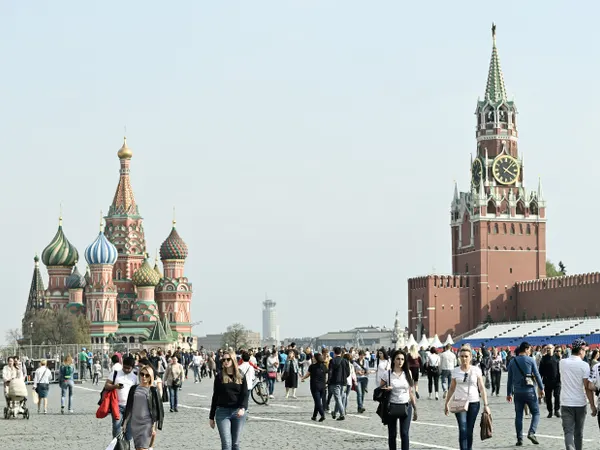 Moscow
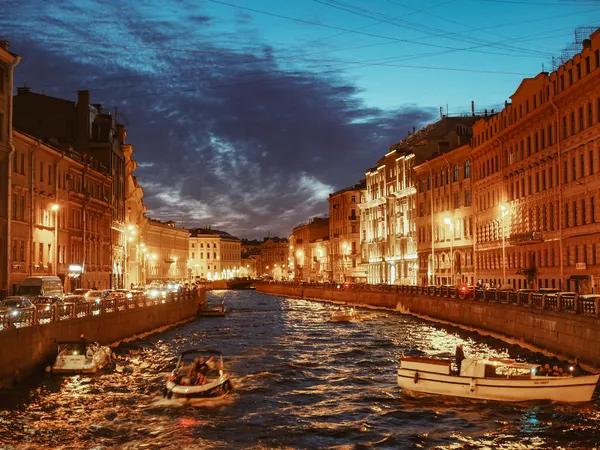 Saint Petersburg
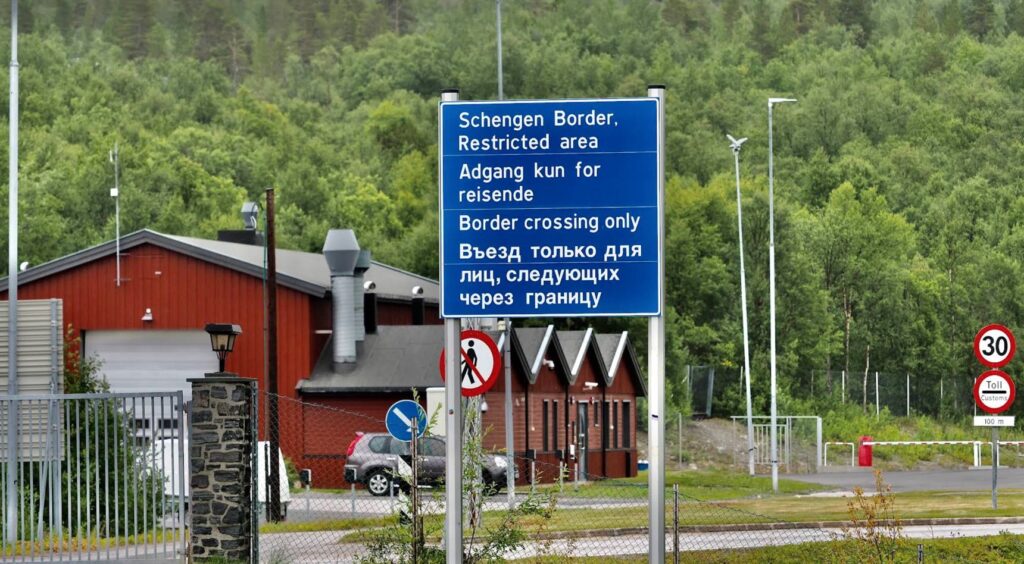 Norway via Storskog
Before you land
What to sort out before you go
- Visae-Visa for up to 30 daysValid if you fly in; to enter via Norway you need a paper visa.
- MoneyYour cards won’t workBring cash to change into roubles or a MIR card: you also pay for tours with it.
- InternetAn eSIM before you goYou install it at home, it activates when you land and it works in Murmansk too.
- MandatoryMedical insuranceRussian law requires it and you need it for the visa.
First-hand
Traveller stories from Murmansk
Travellers who have been to Murmansk recently have told me about their trip: how they got in, what worked for paying and staying online, and what they made of the city.
FAQ
Frequently asked questions about Murmansk
When is the best time to see the northern lights in Murmansk?
The season runs from late August to mid-April, and the best month is February: very long nights, stable skies and a snowy landscape. March is a close second. December and January are good too, but colder, and it’s the polar night. The most likely window is 22:00 to 03:00.
How many days do I need in Murmansk?
3 to 4 days, with at least 3 nights and ideally 4 or 5, because the aurora depends on clear skies. With 5 nights in season and the mobility to chase clear patches, the chance of seeing it at least once is over 90 %. With 1 or 2 nights it’s a lottery.
How do you get to Murmansk from Europe?
There are no direct flights from Europe. The usual way is to fly to Moscow or Saint Petersburg via a hub such as Istanbul, Belgrade, Yerevan or Dubai, and from there take a domestic flight of 2 h 30 min (from Moscow) or 2 hours (from Saint Petersburg). You can also take the overnight train or come overland from Kirkenes, in Norway.
Can I enter via Norway with the e-Visa?
No. The Storskog–Borisoglebsk crossing doesn’t accept the e-Visa: you need an ordinary paper Russian visa, arranged in advance at a consulate or visa centre. If you fly into Moscow or Saint Petersburg, the e-Visa does work.
Is it very cold in Murmansk in winter?
Less than its latitude suggests, thanks to the Gulf Stream. The January average is -10 °C and it’s usually between -5 and -15 °C in winter, although in cold snaps it drops below -25 °C. With layers and thermal boots it’s quite bearable.
What can you do in Murmansk in summer?
Watch whales in the Barents Sea from Teriberka (June to September, especially July and August), hike in the Khibiny in July and August, visit the Sami village with its reindeer and see the midnight sun. September is probably the most complete month: the aurora is back and the whales are still there.
Still have questions?
Ask someone who’s just been
On the Russiable forum there are travellers who’ve been to Murmansk recently. And if you’re still unsure about your route, compare all of Russia’s destinations here.