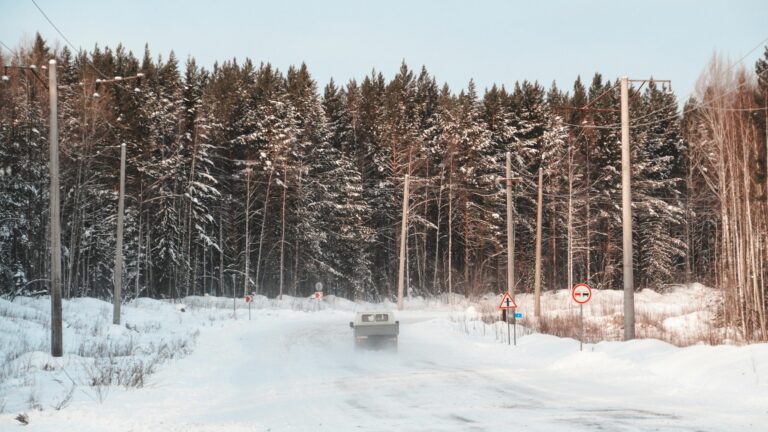
The Kola Peninsula, with Murmansk as its capital, offers one of the most complete and affordable Arctic experiences on the planet. Northern lights, husky sled rides, reindeer encounters in Sami villages, whales in the Barents Sea, hiking in the ancient Khibiny mountains, alpine skiing beyond the Arctic Circle… and all at prices well below the equivalent in Tromsø, Rovaniemi or Reykjavík. In this guide I round up the best tours you can take from Murmansk, organised by theme and time of year.
The key to not being disappointed is understanding how seasonal the offer is. The northern lights are only visible from late August to mid-April, whales reach the Barents Sea mostly in summer, huskies pull the sled when there’s snow, and the Khibiny hiking season is reduced to July-August. I’ll walk you through what you can do at each time of year, how much it costs and how to organise it.
How tours from Murmansk work
Before getting into the specific activities, it’s worth understanding how the tourism market works in the region, because it has a few quirks that are best known before landing. The first is that, except for the panoramic city tour, almost every interesting excursion runs outside Murmansk: Teriberka is 120 km away, Lovozero 166 km, the Khibiny mountains 250 km, and public transport doesn’t reach most spots. That means you either rent a car in Murmansk (with all the risk of driving in winter on black ice and through blizzards), or you go on an organised tour.
The vast majority of travellers go for the second option, and rightly so: local guides know the terrain, decide where to head based on each night’s weather forecast (key for chasing the aurora), handle the FSB permits for restricted areas and usually include professional group photos. The platforms with the widest offer are Sputnik8 and Tripster, both Russian, which aggregate certified local guides.
The main snag is payment: neither Sputnik8 nor Tripster accept Visa, Mastercard or American Express cards issued outside Russia since 2022. You have two routes: pay with a Russian MIR card opened on arrival, or book tours that accept cash to the guide on the day. The other quirk is language: the vast majority of standard tours are in Russian, although there are also options in English, Spanish, Italian, French, German and other languages.
One last note on safety and regulation that many people overlook: the Kola Peninsula is a military zone. Severomorsk (home base of the Russian Northern Fleet), Polyarny, Skalisty, Gadzhiyevo and other closed cities are inaccessible without specific military clearance. The Rybachy Peninsula and the border area with Norway and Finland require prior FSB authorisation. If you go on an organised tour, the guide takes care of it; if you go independently, check the rules on closed zones in the region before crossing into doubtful areas.
The best tours from Murmansk by theme
I’ve grouped the activities into thematic blocks, indicating for each one the time of year when it makes sense to do it. Some can be done all year round (the panoramic city tour or the visit to the Sami village), others only in winter (huskies, skiing, snowmobiles), others only in summer (whales, hiking in the Khibiny). If you’re short on time, combine two or three from the same seasonal block in a single trip.
1. Chasing the northern lights (late August to mid-April)
This is the excursion most people travel to Murmansk for. The season kicks off in late August, when the nights become dark enough again, and ends in mid-April. The sweet spot runs from September to March, with February as the best overall month. Outings are nocturnal, leaving between 8 and 10 PM from central Murmansk, lasting 4 to 6 hours, and consist of hunting for clear spots away from light pollution using real-time cloud forecasts. They usually include a heated minivan, a thermos of tea, snacks and a photographer. Prices range from 3,000 to 7,500 rubles per person in a group (€30-75).
I have a dedicated guide with all the details: northern lights in Murmansk: when, where and how to see them.

2. Teriberka: the village at the end of the world (year-round)
Teriberka is probably the best-known tourist spot on the entire Kola Peninsula, and for good reason. It’s the only coastal village in the Murmansk oblast accessible by road, sits on the shore of the Barents Sea (part of the Arctic Ocean) and became world-famous after being the setting for Andrey Zvyagintsev’s film Leviathan (2014), which won Best Screenplay at Cannes. A year later, National Geographic included it among the world’s 20 best travel destinations, and it hasn’t stopped growing since.
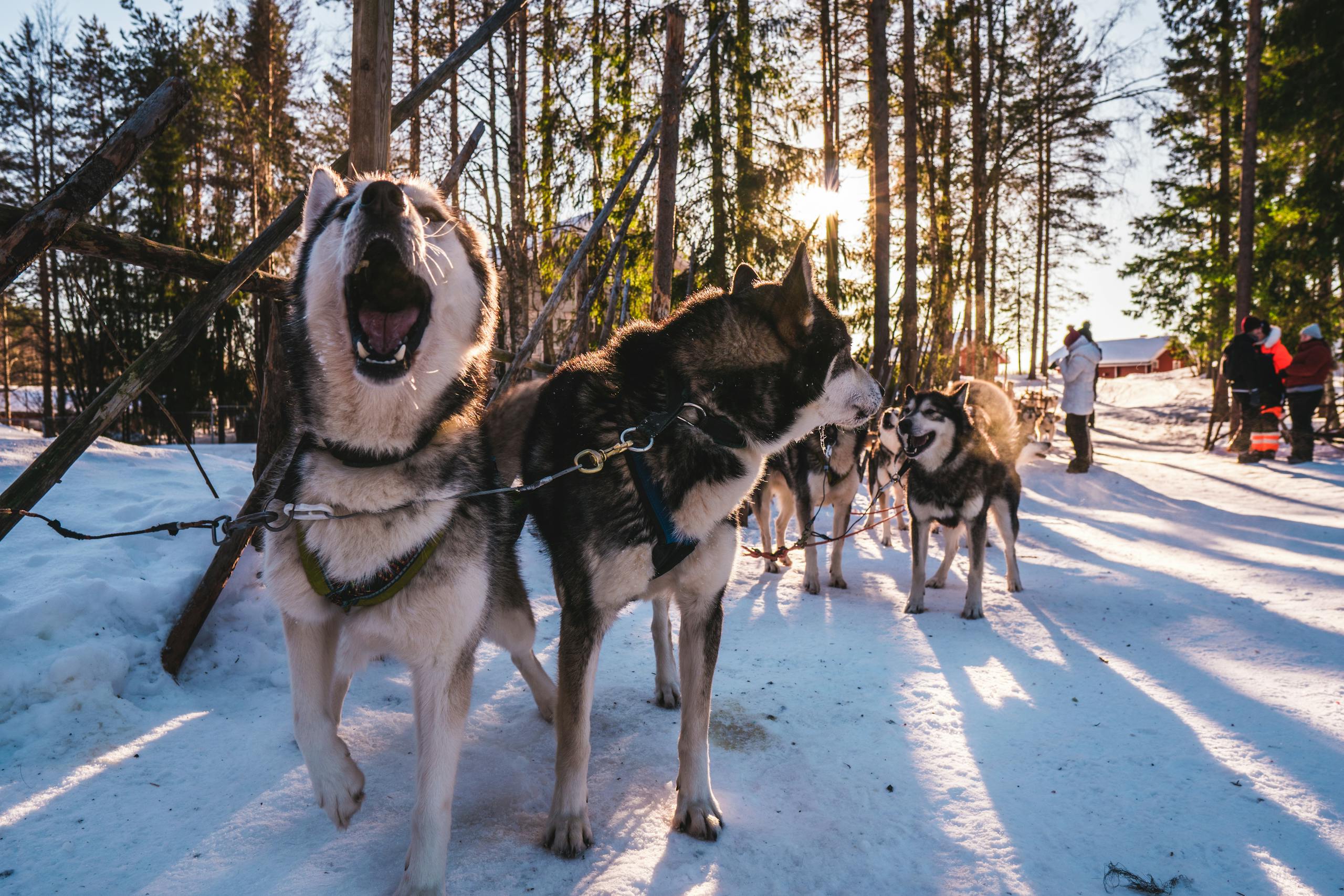
Full-day excursions from Murmansk (about a 2-hour drive each way, 120 km) usually include stops at the iconic spots: Dragon Egg Beach (perfectly spherical stones polished by the waves), the cemetery of sunken ships at the entrance to the village, the Malye Batareyskoye waterfall, the famous swing on the cliff, and lunch at one of the local restaurants (try the Kamchatka king crab, a local specialty). In winter it’s combined with night-time aurora hunting and an overnight stay at a glamping site or mini-hotel; in summer it’s done as a day trip or you stay overnight to catch the midnight sun. Price: 4,000-6,000 rubles per person in a group (€40-60), 18,000-25,000 rubles for a private tour for 3-4 people (€180-250).
One thing worth knowing: the road to Teriberka closes frequently between November and April due to blizzards and snow build-up. Sometimes for several days. Tour operators get real-time info and reschedule, but if you’re going independently, check the status before setting off. If the road closes while you’re already there, you can get stuck for an extra day or two.
3. Husky sled rides: the king of winter activities (December to April)
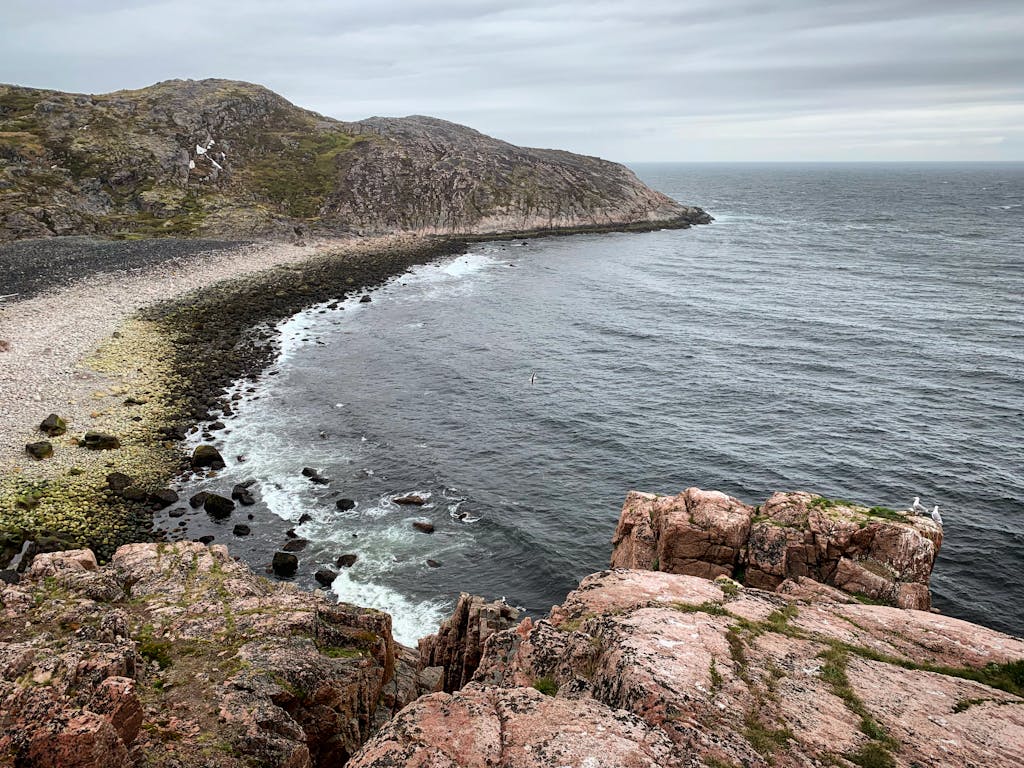
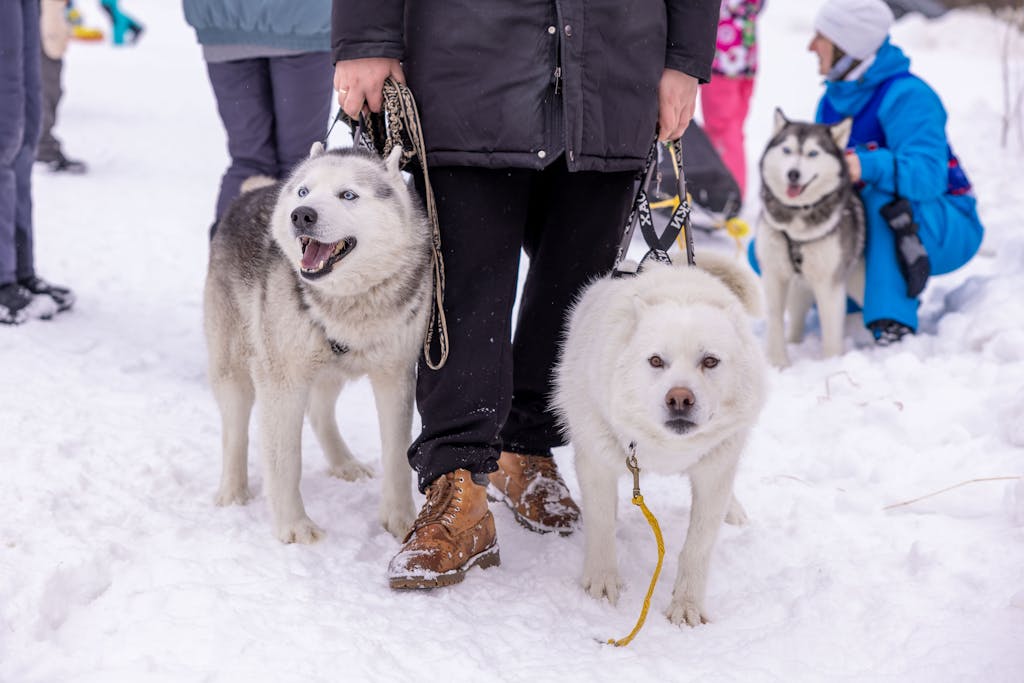
If huskies weren’t quite so photogenic, I’m not sure there’d be this much tourism in Murmansk. The “fermas”, or husky farms, cluster around the city (15-30 km out) and offer very similar experiences: a guided tour of the kennel, a short course on handling the sled and a 30-90 minute ride through the snow with six or eight dogs. The best-known farms are Lesnaya Elan, Severnoye Siyaniye and Snowfield, all reachable by taxi or organised transfer.
The typical price runs between 4,000 and 7,000 rubles per person (€40-70) for a half-day outing including transfer from Murmansk, sled ride, lunch or tea with traditional buns (the famous pirozhki) in an izba (a traditional wooden cabin), interaction with the dogs and usually a meet-and-greet with reindeer or deer. Some night-time packages combine a sunset sled ride with a follow-up aurora hunt. If you’re travelling with kids it’s one of the activities that goes down best, because Siberian huskies are very sociable dogs and let themselves be petted without fuss. Important: the sled season depends on snow, so if you’re going in late March or April, confirm the trails are still open.
4. Reindeer and Sami culture: Lovozero and Sam-Syyt (year-round)
The Sami are the indigenous people of the European Arctic, also present in Norway, Sweden and Finland. On the Russian side, their cultural capital is Lovozero, a village of about 3,000 inhabitants 166 km south of Murmansk, in the heart of the tundra. It’s a very different visit to all the previous ones: here you come into contact with traditions that haven’t changed much in a thousand years. The reconstructed Sami village of Sam-Syyt, near Lovozero, is the living-museum version: chums (tipis made of wood and skins), demonstrations of traditional games (lasso throwing, sled jumping), tastings of Sami cuisine (dried reindeer meat, fish soup from Lake Lovozero, Arctic herb tea) and, what people enjoy most: meeting trained reindeer that you can feed and ride on a sled.
It works all year, but it changes: in winter there’s a reindeer sled ride on snow, and in summer a ride “on wheels” or walking with them through the tundra. Excursions from Murmansk are full-day (3 hours of driving there and back, around 6 hours on site) and cost between 5,000 and 9,000 rubles per person (€50-90). If you’re interested in Sami culture in depth, there are 2-3 day tours combining Lovozero with aurora hunting at Lake Seydozero (sacred to the Sami) and an overnight stay in authentic Sami accommodation. It’s one of the least crowded experiences and the one that tends to surprise people most, especially if you bring kids.
5. Whale watching in the Barents Sea (June to September)
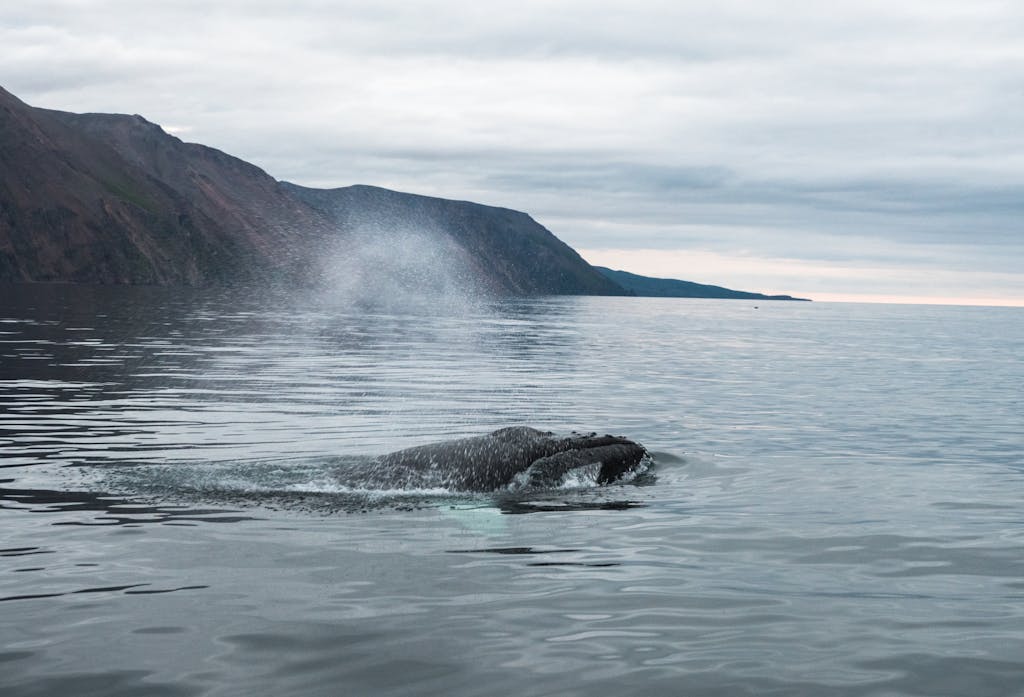
This is the best news for those who thought Murmansk was a winter-only destination. The waters of the Barents Sea off Teriberka host in summer the migration of several cetacean species: humpback whales, belugas, fin whales and, with a bit of luck, orcas. Sightings are concentrated mostly from late June to early September, with the statistical peak in July and August. In recent winters (especially 2022-2023) there was an unusual whale boom in the middle of winter, but it remains primarily a summer activity.
Tours leave from Teriberka harbour in semi-rigid inflatable boats (8-12 seat Zodiacs) and last between 2 and 4 hours. The price ranges from 6,000 to 10,000 rubles per person (€60-100) and includes a floating thermal suit sized for the boat, safety briefing and a biologist guide. There’s no guarantee of seeing whales (as with any sea safari) but the success rate in peak season is over 70%. Even if they don’t appear, the boat trip along the rocky Arctic coast is already an experience: vertical cliffs, sea bird colonies, seals and, almost certainly, puffins in some areas. Plan it as a perfect complement to a day in Teriberka.
6. Hiking in the Khibiny mountains (June to September)
The Khibiny (Хибины) are the largest mountain massif on the Kola Peninsula, one of the oldest ranges on the planet (350 million years). The peaks aren’t high by Alpine standards (1,200 m the highest, Yudychvumchorr), but latitude changes the rules: they’re 150 km north of the Arctic Circle, so above 600 m you’re already in pure Alpine tundra, treeless, with lichens, turquoise lakes and views stretching for hundreds of kilometres.
The hiking season is very short: July and August are the safe months, June and September depend on the year (there can be significant snowfields on the passes in June, and the first snowfall in September). The most popular routes leave from Kirovsk or Apatity, the two towns at the foot of the mountains. The classic day hike climbs Mount Aikuayvenchorr (the “Woman’s Head Mountain” in Sami, 1,075 m) from the north side; multi-day routes traverse the central plateau passing the Maly and Bolshoy Vudyavr lakes. There are guided tours with everything included (4,000-6,000 rubles per day, €40-60) and self-guided routes with an offline map app if you’ve got mountain experience. Important: don’t improvise without a guide, the Arctic fogs roll in within minutes and disorient even locals.
7. Alpine skiing in Kirovsk: Bolshoy Vudyavr and Kukisvumchorr (December to May)
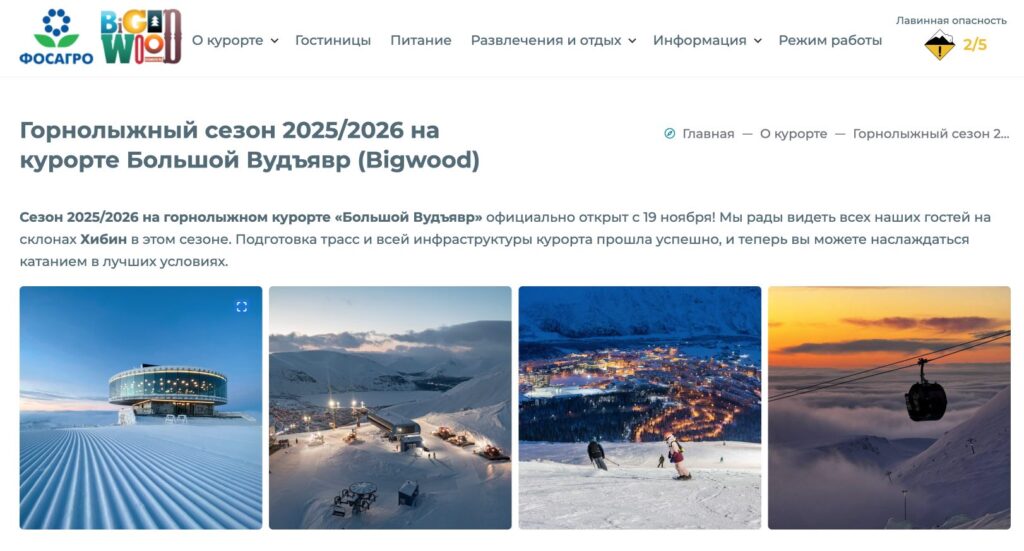
The same Khibiny that are hiking territory in summer become in winter the northernmost ski resort in Russia and one of the oldest in the country (the first Russian Olympic-level descents were skied here in 1937). The main resort is Bolshoy Vudyavr, colloquially known as Big Wood: 25 km of slopes, 23 runs, 650 m of vertical drop, 15 floodlit slopes (important, because polar night runs from December 2 to January 11). The second resort, Kukisvumchorr (nicknamed “25 km” for its distance from central Kirovsk), is a freeride paradise: a Freeride World Qualifier stage is held here every year.
The season runs from late November to early May, with March-April as the sweet spot (more snow, longer days, temperatures that no longer drop routinely below -10 °C). The day pass costs between 2,500 and 3,500 rubles (€25-35), basically a quarter of what you pay at any Alpine resort. Getting to Kirovsk from Murmansk takes around 4 hours by road or train (stop at Apatity or Hibiny); there’s also a small local airport with daily flights from Moscow and Saint Petersburg, so many people fly in directly without passing through Murmansk. If you combine skiing by day with aurora hunting by night, the Khibiny are one of the best destinations in the world for that double experience.
8. Snowmobiles and snowkite (December to April)
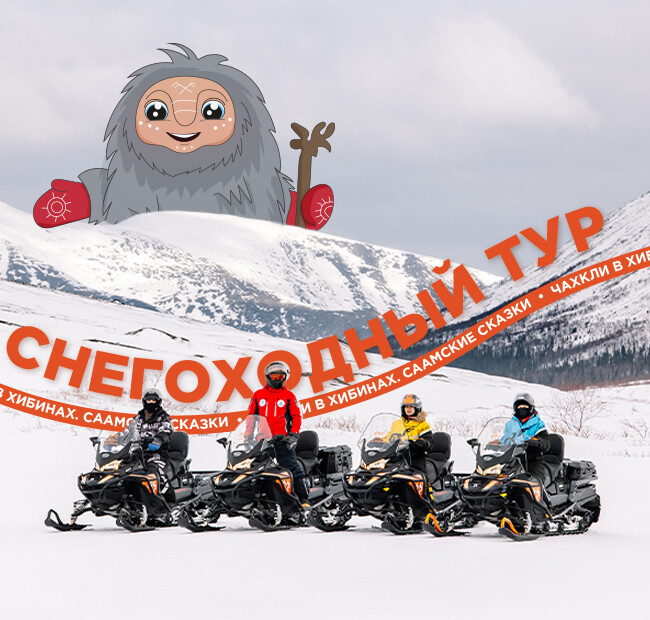
Snowmobiles are the other big winter activity in the region. There are routes of every kind: from one-hour beginner rides through forests near Murmansk (3,500-5,000 rubles, €35-50) to multi-day safaris across the tundra combining snowmobile, ice fishing, banya and a night in a cabin. The most spectacular spots are the frozen lakes of the Lovozero region, where you can do 30-50 km routes over completely flat white surfaces stretching to the horizon. You don’t need a specific driving licence, but you do need to be at least 18 and sign a waiver.
Snowkite is the discipline that has made Teriberka famous among traction sports enthusiasts: gliding on skis or snowboard pulled by a kite over the frozen lake or over the snow-covered cliffs. The season runs from February to April (when there’s enough packed snow and stable wind). There are schools in Teriberka offering two-day beginner courses for around 12,000 rubles (€120), gear included. If you already know how to do it, equipment rental is around 3,000 rubles a day (€30).
9. Ice fishing and Russian banya (January to April)
One of the most authentic activities in the region, with no tourism marketing dressing it up. Ice fishing is a Russian national sport and on the Kola Peninsula there are dozens of licensed lakes: they hand you an auger to drill through the ice (usually 40-70 cm thick), a short rod and bait. The typical catch is perch, pike and, further north, Arctic omul. Outings usually last 4-6 hours, include transfer and all equipment, and cost around 4,500-6,000 rubles per person (€45-60). The “prize” on most excursions is the meal afterwards with the fresh fish grilled or smoked on the spot, sometimes inside the heated tent set up on the ice.
The banya (traditional Russian sauna) is usually tacked on as an add-on to almost any full-day excursion. It’s a different experience to the Finnish sauna: the temperature is a touch lower (70-80 °C instead of 90-100), the humidity much higher because of the stones onto which eucalyptus water is poured, and the ritual includes the famous veniks (bundles of birch branches with which the banshchik gently whips you to get the circulation going). Afterwards you step outside, ideally to plunge into an icy lake or, if you’re not that brave, roll in the snow for a few seconds. Many country guesthouses and husky bases have their own banya and include it in night-time packages for an extra 1,500-2,500 rubles (€15-25).
10. Arctic diving and king crab fishing (year-round, best in summer)
Diving in Teriberka is for experienced divers only: water between 2 and 8 °C, dry suit mandatory, strong currents, and a seabed of slate and giant kelp forests that looks more North Pacific than European. There are clubs offering guided dives for advanced-certified divers (Advanced or Dry Suit) between 8,000 and 12,000 rubles per dive with equipment included (€80-120). The main event is fishing for Kamchatka king crab: a species introduced to the Barents Sea in the 1960s from the Pacific, it has thrived to the point of becoming a pest and recreational catch is allowed with a minimum 17 cm shell. The tours combine a dive plus cooking the crab on the shore with cold vodka, one of those experiences people still remember twenty years later.
11. Panoramic tour of Murmansk: Alyosha, Lenin icebreaker and Kursk submarine memorial (year-round)
To get to know the city itself, the standard formula is a 3-4 hour panoramic tour with a local guide linking Murmansk’s main landmarks: the Alyosha monument (a 35 m colossal statue to the Soviet defenders of the Arctic, atop Green Cape hill, with the best view of Kola Bay), the Lenin nuclear icebreaker (the world’s first nuclear-powered ship, today a floating museum where you visit the engine room, the bridge and the captain’s cabin), the Murmansk Lighthouse (a memorial to the sailors of the Kursk submarine sunk in 2000 and to other maritime tragedies), the Regional Museum of Local History (the oldest in the region, with strong sections on the Pomor and Sami peoples, World War II and the Soviet era) and Five Corners Square, the city’s nerve centre.
It’s the perfect excursion for the first day, while you’re acclimatising and waiting for nightfall to chase the aurora. Walking options are doable in summer but impractical in deep winter; the usual setup is a minivan tour that takes you between points and lets you get out to visit each one. The price ranges from 2,500 to 4,500 rubles per person in a group (€25-45), or 8,000-12,000 rubles for a private tour in English for 2-3 people (€80-120). Admission to the Lenin icebreaker is paid separately: 1,000 rubles per adult (€10), book in advance because the guided visits have limited capacity and fill up in peak season.
12. Snow Village: the ice village in Kirovsk (January to March)
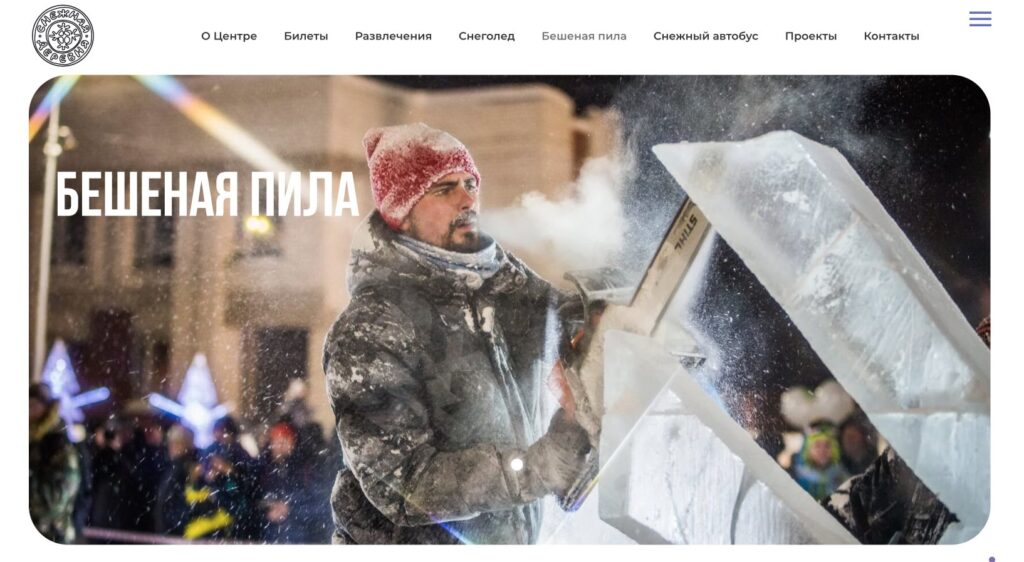
The Snow Village (Snezhnaya Derevnya / Снежная деревня) is a Guinness World Record build in Kirovsk: every year, starting in late December, a team of Russian, Finnish and Norwegian sculptors carves around 40 themed rooms in blocks of ice and packed snow. There’s a wedding hall (yes, real people get married here every winter), an Orthodox chapel, an ice bar serving kvas or vodka in carved glasses, corridors with sculptures inspired by traditional Russian fairy tales, and even an ice cinema where short films are projected onto a frozen screen. The interior temperature stays at a constant -5 °C (warmer than the outside, where it can hit -25 °C).
Admission costs around 800-1,200 rubles (€8-12) and the visit takes 1-2 hours. It’s designed to combine with a ski day at Bolshoy Vudyavr or a visit to the Khibiny. Important: the season gets shorter or longer depending on the cold; if you’re planning to go in late March or April, confirm it’s still open before locking in plans.
13. 4×4 safari across the Rybachy Peninsula and Pechenga (July to September, with FSB permit)
For lovers of hardcore adventure: the Rybachy Peninsula (literally, “Fisherman’s Peninsula”) is the northernmost point of continental European Russia, a tongue of tundra battered by the Arctic with traces of Pomor fishing, World War II bunkers and coastal batteries, vertical cliffs over the ocean and herds of wild reindeer. There are no paved roads: it’s accessed only by off-road 4×4 vehicles, tours run 3 to 5 days and you sleep in camps or basic cabins. The whole area requires an FSB permit (federal security service) due to its proximity to the Norwegian border and military infrastructure. Certified operators handle the permit for you with 10-15 days’ notice. Cost: high, from 35,000 to 60,000 rubles per person for the full package (€350-600), but it’s one of the wildest and most exclusive experiences you can have in Europe.
The adjacent area of Pechenga, 120 km northwest of Murmansk, is accessible without a special permit in its authorised sections. Here you’ll find the Pechengsky Monastery (the northernmost in the world) and the Valley of Glory memorial, dedicated to the tens of thousands of soldiers who fell on the Arctic front during World War II. Excursions are less crowded than those to Teriberka and light pollution is minimal, so it also works as an alternative aurora spot.
Frequently asked questions
What’s the best time to visit Murmansk?
It depends on what you want to see. For northern lights, huskies, skiing and the snow village, February-March is best. For whales and hiking in the Khibiny, July-August. September is probably the most complete month: auroras are already visible, whales are still around, the tundra is spectacular and it’s less cold than mid-winter.
Are there tours in English from Murmansk?
The vast majority of standard excursions are in Russian. On platforms like Sputnik8 and Tripster you’ll find a fair number of English options (with a 30-40% surcharge), but very few in other languages.
Is it mandatory to go on an organised tour?
It’s not mandatory, but highly recommended, especially in winter. Distances between points of interest are large (120-250 km), the weather is extreme, there are restricted zones requiring FSB permits, and many sites have no regular public transport. Tours save you time, give you access to restricted areas and, in the case of auroras, take you to the best spot based on each night’s weather forecast.
Will my Visa or Mastercard work to pay for excursions?
No. Since 2022 foreign Visa, Mastercard and American Express cards don’t work in Russia. Neither Sputnik8, Tripster, nor most local operators accept them. The alternatives are paying the guide in cash on arrival (provided the tour allows it) or opening a Russian MIR card.
Which excursions are suitable for families with children?
The ones that work best with kids are: husky sled rides (the dogs are very sociable), the visit to the Sami village with reindeer (year-round), the panoramic tour of Murmansk with the Lenin icebreaker, the Snow Village in Kirovsk and whale watching in summer if the kids tolerate the sea. Serious hiking in the Khibiny, 4×4 safaris in Rybachy and Arctic diving are not for families with small children.