
Traveling between Moscow and St. Petersburg: Which is the best way?
 By Irena Domingo
Updated on
In This Article
One of the most frequent questions among travellers planning a trip to Russia is the following: what’s the best way to get between Moscow and St. Petersburg? There are four real options: flying (a 1.5-hour flight), the Sapsan high-speed daytime train (around 4 hours), an overnight train such as the Red Arrow (8–9 hours while you sleep), or the bus (9–10 hours, the cheapest). I’ll walk you through how each one works, how much it costs, and where to buy tickets with a foreign card.
This is step 2 of my guide to planning a trip to Russia in 10 steps, where you’ll find everything else in order.

The 4 alternatives to get around
If you’re travelling to Russia, the most usual itinerary is to visit its two main cities, Moscow and St. Petersburg. The distance between them is around 700 kilometres, so you have to choose how to cover the journey.
There are 4 ways to make the trip between Moscow and St. Petersburg: by plane, on a high-speed daytime train, on an overnight train, or by bus. Each option has its pros and cons: it depends on your budget, how much time you have, and whether or not you fancy sleeping on the train.
Before we dive into each option, three tips that apply to all of them:
- If it’s your first trip to Russia, the logical thing is to fly into Moscow and out of St. Petersburg (or the other way around). That way you only have to cover the journey between the two cities once.
- Book in advance. Train tickets go on sale 90 days in advance (120 days for some Sapsans), and prices rise with demand. In summer, the cheap tickets fly off the shelves.
- Foreign Visa and Mastercard cards don’t work on Russian websites (RZD, Aeroflot, BUSFOR…). For each mode of transport there are alternatives that do accept European cards: I cover them in each section below.
1. Plane: the fastest option in the air
The flight between Moscow and St. Petersburg lasts roughly one and a half hours and is fairly cheap: there are fares from €30–40 one way if you book ahead. The airlines operating the route are mainly Aeroflot, Rossiya Airlines, S7 Airlines, Pobeda (Aeroflot’s low-cost arm) and Ural Airlines. There are dozens of daily departures in each direction.
In Moscow, flights to St. Petersburg leave from the three main airports: Sheremetyevo (most Aeroflot flights), Domodedovo (S7) and Vnukovo (Pobeda and others). All flights land in St. Petersburg at Pulkovo, the city’s only commercial airport.
How to search and buy your ticket: Aviasales
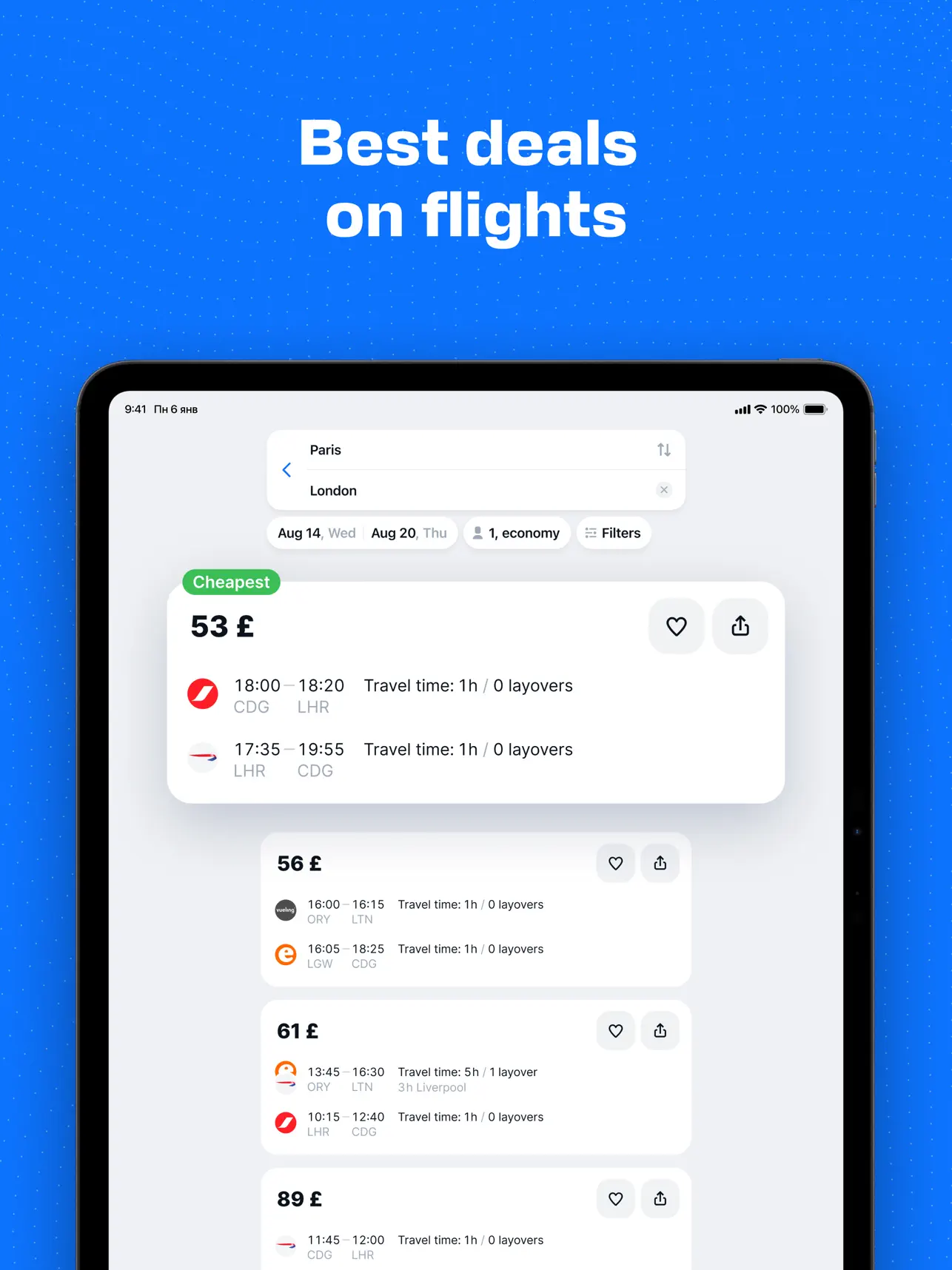
The websites of Russian airlines (Aeroflot, S7, Pobeda…) have not accepted foreign Visa or Mastercard cards since 2022. The most practical alternative is to search and book through Aviasales, the most widely used flight comparison site in Russia.
Aviasales compares prices and timetables in real time across every airline operating in Russia, shows you the cheapest option, and lets you book with a foreign card. It’s the tool Russians themselves use for their domestic flights.
Something to keep in mind before you opt for the plane: even though the flight itself takes 90 minutes, Moscow’s airports are well outside the city. Add the trip to the airport, security, boarding, the flight, picking up your luggage and the transfer to the centre of St. Petersburg, and you can easily spend 5–6 hours door to door. In other words, much the same as the Sapsan, which drops you closer to the city centre.
2. High-speed daytime train: Sapsan
For me, the Sapsan is the best option for getting between Moscow and St. Petersburg. It’s fast, comfortable, drops you in the centre of each city, and the value for money is hard to beat. It takes about 4 hours and reaches speeds of 250 km/h. There are between 5 and 10 daily departures in each direction (more frequencies in summer).

Even-numbered trains (752, 754, 756…) run from Moscow to St. Petersburg, and odd-numbered ones (751, 753, 755…) do the reverse. The first departure from Moscow is usually at 5:40 and the last at 19:40, although the timetables change with the season — best to check on the RZD website.
Departures in Moscow are from Leningradskaya station (red metro line, Komsomolskaya stop). In St. Petersburg, trains arrive at Moskovsky station, on Nevsky Prospect itself. Both are central and well connected to the metro.
Prices: an Economy seat can go for €20–40 if you book ahead. Trains in the early morning and late evening tend to be cheaper. Business Class (wider seats, hot meal, plug sockets) is around €80–150.
The Sapsan is the star, but other daytime trains run on the same route: the Lastochka (more modest, with some regional frequencies), the Nevsky Express (a bit older, only a few departures a week) and the new double-deck day trains. I cover all the types of Russian train, the carriage classes and what the on-board experience is like in the complete guide to trains in Russia.

How to buy Sapsan tickets
Here’s the main change compared to a few years ago: the RZD website no longer accepts foreign Visa or Mastercard cards, only Russian MIR cards, and on top of that it’s blocked in many European countries (you’ll need a VPN to load it). That doesn’t mean you can’t buy a ticket: there are four real alternatives today.
- RussianTrain. The most convenient option: website in English, pay with Visa or Mastercard without a VPN, official RZD electronic ticket emailed to you. They charge a 20–30% commission on the official price.
- Belarusian Railways (RW.by). Website in Russian (translates well with Chrome), but prices are almost identical to the official RZD prices. Accepts Visa, Mastercard and UnionPay. Payment in Belarusian roubles.
- RZD.ru directly. Only if you have a Russian MIR card. It’s the cheapest option, no commissions. To access it from outside Russia you’ll need a VPN.
- Station ticket office (kassa). Once you’re in Russia, station ticket offices sell at the official price with no commission, in cash roubles or with a MIR card. A good option for last-minute changes; on popular routes such as Moscow–St. Petersburg in summer there may be no seats left.
If you want to compare the four options in depth, with the step-by-step on how to book on each one and which platform suits whom, you can read this guide on how to buy train tickets in Russia despite the sanctions.
3. Overnight train: Red Arrow, Grand Express and the double-decker
If you’re a day short on your itinerary or want to save on a hotel night, the overnight train is an option full of charm. You leave Moscow around 23:00 and arrive in St. Petersburg by 8 in the morning (or vice versa). You save an overnight stay and on top of that you live one of the most authentic rituals of Russian train travel: tea in a glass with a metal holder (podstakannik), the provodnitsa looking after your carriage through the night, and enclosed compartments with berths.

On this route there are several overnight trains to choose from, depending on budget and comfort level:
- Red Arrow (Krasnaya Strela). Trains 001A and 002A. The most iconic of the entire Russian rail network, in service since 1931. Classic décor, attentive service and enclosed compartments of 2 berths (SV) and 4 berths (kupé). Departs at 23:55 from each city.
- Grand Express. Trains 003A and 004A. Run by a private company since 2002. Together with the Red Arrow, the most luxurious regular train on this route. Departs at around 23:40.
- Moscow–St. Petersburg double-deck train. Trains 005A and 006A. Much more modern and considerably cheaper than the Red Arrow or the Grand Express, with excellent value for money. Leaves at 22:50 and arrives at 6:47.

Prices: in kupé (an enclosed 4-berth compartment, the most popular option) tickets start at around €40–50 and go up depending on the train, the season and how far in advance you book. SV (a 2-berth, more private compartment) is around €80–120. The luxury compartments on the Red Arrow and the Grand Express, with private bathroom and shower, can go from €200 upwards.
Overnight train tickets are bought through the same four channels as Sapsan tickets: RussianTrain (with commission, easy), RW.by (almost official price, website in Russian), RZD if you have a MIR card, or the station ticket office. I recommend reading the complete guide to trains in Russia to learn about the carriage classes (kupé, SV, platskart, luxury) and choose well. And the guide on how to buy the tickets for the step-by-step.
One thing to bear in mind: even though you save on a hotel night, overnight trains arrive around 8am and hotel check-in is usually from 14:00. Ask the hotel to store your luggage and use the time to have breakfast and start your sightseeing.
4. Bus: the cheapest option
The bus is the cheapest option, although also the slowest. The Moscow–St. Petersburg journey by bus takes around 9–10 hours (compared to 4 on the Sapsan or 8 on the overnight train). They’re usually overnight services: you leave in the evening and arrive the following morning.
Russian websites such as BUSFOR.RU or Tutu.ru have plenty of options, but they don’t accept foreign cards as of 2022. The good news is that the Latvian company Ecolines, which runs the international bus network between the Baltic states and Russia, also covers the Moscow–St. Petersburg route within Russia and lets you book and pay with a foreign Visa or Mastercard without any issue.

Ecolines runs a comfortable fleet with wifi, plug sockets at every seat, an on-board toilet and free hot drinks. Tickets are bought directly at ecolines.net with a Visa or Mastercard. Prices for Moscow–St. Petersburg are around €25–40 per journey, depending on how far in advance you book and the season.
My honest recommendation: if it’s your only budget option, go for it; but for ten or fifteen euros more you can take a Sapsan that saves you hours and drops you in the centre. For the Moscow–St. Petersburg route, the bus only really makes sense if your budget is very tight or if you’re happy with long road journeys.
Where the bus really shines is on the Tallinn/Riga – St. Petersburg route: it’s the practical way to cross the EU–Russia border by land since Finland closed its borders in 2023.
Quick comparison: times, prices and when to choose each option
| Option | Duration | Approx. price | Comfort | Best for |
|---|---|---|---|---|
| Plane | 1h 30min flight (5–6 h with transfers) | €30–100 | Medium (airports outside the city) | Travellers who find a very cheap fare or are flying on to another city |
| Sapsan | 4 hours centre to centre | €20–40 (Economy) | High | Almost everyone. |
| Overnight train | 8–9 h while you sleep | €40–200 (depending on class) | High (with charm) | Saving a hotel night and living the Russian train ritual |
| Bus (Ecolines) | 9–10 hours | €25–40 | Medium | Tighter budgets |
In conclusion: which one do I pick?
Having done the journey by plane, on the Sapsan and on the Red Arrow, my practical recommendation:
- If you’re on a sightseeing trip and only have a few days, Sapsan. It’s the best on the time-comfort-price balance: 4 hours, centre to centre, with the comfort level of a European train.
- If you want to experience the classic Russian train ritual and save on a hotel night, the overnight train (Red Arrow, Grand Express or the double-decker for value for money).
- If price is the only thing that matters and you don’t mind 9–10 hours on the road, the Ecolines bus is the cheapest option you can pay for with a foreign card.
- The plane makes sense if you find a very cheap fare on Aviasales, if you’re flying on to another city, or if the idea of several hours on a train doesn’t appeal. But once you add airport transfers, the total time barely beats the Sapsan.
Frequently asked questions
What is the best way to travel between Moscow and St. Petersburg?
For most travellers, the Sapsan train is the best option: it covers the journey in 4 hours centre to centre, with great value for money (€20–40 in Economy) and the comfort level of a European train. The plane only really makes sense if you find a very cheap fare, because once you add airport transfers the total time matches the Sapsan.
How long does the Sapsan take between Moscow and St. Petersburg?
The Sapsan covers the 700 kilometres in around 4 hours, reaching speeds of up to 250 km/h. There are between 5 and 10 daily departures in each direction, with more frequencies in summer. It leaves from Leningradskaya station in Moscow and arrives at Moskovsky station in St. Petersburg, both in the city centre.
Can I buy Russian airline tickets with a foreign Visa or Mastercard?
Not directly on the websites of Russian airlines (Aeroflot, S7, Pobeda…), which since 2022 only accept Russian MIR cards. The practical alternative is Aviasales, the most widely used flight comparison site in Russia, which lets you search and book Russian domestic flights with a foreign card, both on the website and in the mobile app.
How much does an overnight train between Moscow and St. Petersburg cost?
In kupé (enclosed 4-berth compartment, the most popular option) tickets start at around €40–50. In SV (a 2-berth, more private compartment) they’re usually €80–120. The luxury compartments on the Red Arrow and Grand Express, with private bathroom and shower, can exceed €200. The double-deck train (005A/006A) is usually the cheapest of the overnight services.
Are there buses between Moscow and St. Petersburg that accept a foreign card?
Yes. The Latvian company Ecolines operates the Moscow–St. Petersburg route within Russia and lets you book and pay with a foreign Visa or Mastercard on its website ecolines.net. The journey takes around 9–10 hours and the price is €25–40. Russian websites such as BUSFOR.RU or Tutu.ru do not accept foreign cards.
Is the overnight train between Moscow and St. Petersburg worth it?
It’s worth it if you want to live one of the most authentic rituals of Russian train travel (tea with a podstakannik, the provodnitsa, classic compartments). One thing to keep in mind: although you arrive at 8 in the morning, hotel check-in is usually from 14:00, so you’ll have a few hours to kill with your luggage.
In This Article
Was this useful? I'll tell you when something changes in Russia
One short email a month with what has changed for travellers (visas, payments, border crossings, apps), based on what readers report to me from Russia. More than 4,000 of us already. No spam: if you ever lose interest, unsubscribing is one click.
Irena DomingoAbout Me
I was born in Russia. I grew up between two worlds: my father was Russian, my mother Spanish — a descendant of the "Children of Russia", the Basque children evacuated to the USSR during the Spanish Civil War. I've worked as a translator, interpreter and Russian teacher for over 30 years, and since 2013 I've been writing this blog to help travellers discover Russia with practical, always up-to-date information. Author of the Russiable Guide. If this blog has helped you plan your trip, you can buy me a coffee ❤️.
 Traveling by Bus in Russia: How to Buy Tickets Online with a Foreign Card
 Renting a Car in Russia in 2026: What Works, Requirements and Prices
 Bus to Saint Petersburg from Tallinn and Riga: Companies, Routes, Prices and Tickets