
Kazan, Moscow and St Petersburg: 13 Days in Russia (a Reader’s Chronicle)
 By Irena Domingo
Updated on
In This Article
This chronicle comes from a reader who lives in Singapore and spent 13 days in Russia in early June 2026, travelling with her mum. She did the classic line in reverse — Kazan, then Moscow, then St Petersburg — entering the country on an electronic visa (eVisa) through Kazan, after a connection in Istanbul. She’d rather stay anonymous, so you won’t find a name here, but her account is one of the most useful I’ve been sent: she’s completely honest about the small frictions a first-timer runs into — SIM cards, bank cards, changing cash, a GPS that goes haywire in central Moscow — and about what made the trip worth every bit of the hassle.
If you’re planning something similar — arriving through a less obvious airport, or doing the Kazan–Moscow–St Petersburg route by train — read it slowly and take notes. If you’d like another point of view afterwards, there’s also Fran’s chronicle around Moscow, Suzdal and Vladimir.
What follows is her account, in her own words, with her own photos and tips. Thank you for sharing it.
The trip at a glance
Thirteen days, three cities, two long train rides and a lot of small logistical puzzles. Here’s the shape of it before we get into the detail:
| Stage | City | Roughly when | How we got there | What stood out |
|---|---|---|---|---|
| 1 | Kazan | ~4–6 June | Flew in via Istanbul (our entry point) | SIM and bank hurdles, changing cash, the Kremlin |
| 2 | Moscow | ~7–12 June | Overnight train from Kazan | Got the T-Bank card, wonky downtown GPS, Troika card |
| 3 | St Petersburg | ~12–16 June | Sapsan high-speed train from Moscow | Podorozhnik card, the banya, flew home from Pulkovo |
Approximate route: flew in via Istanbul to Kazan, then the overnight train to Moscow and the Sapsan to St Petersburg. Map for orientation only.
Getting in: an eVisa and arriving through Kazan
We entered Russia through Kazan, flying in via Istanbul. Honestly, I wouldn’t recommend Kazan as your first way into the country if it’s your first time in Russia and you don’t speak at least a little basic Russian — you’ll save yourself a lot of time by knowing what’s coming. The eVisa itself was the easy part.
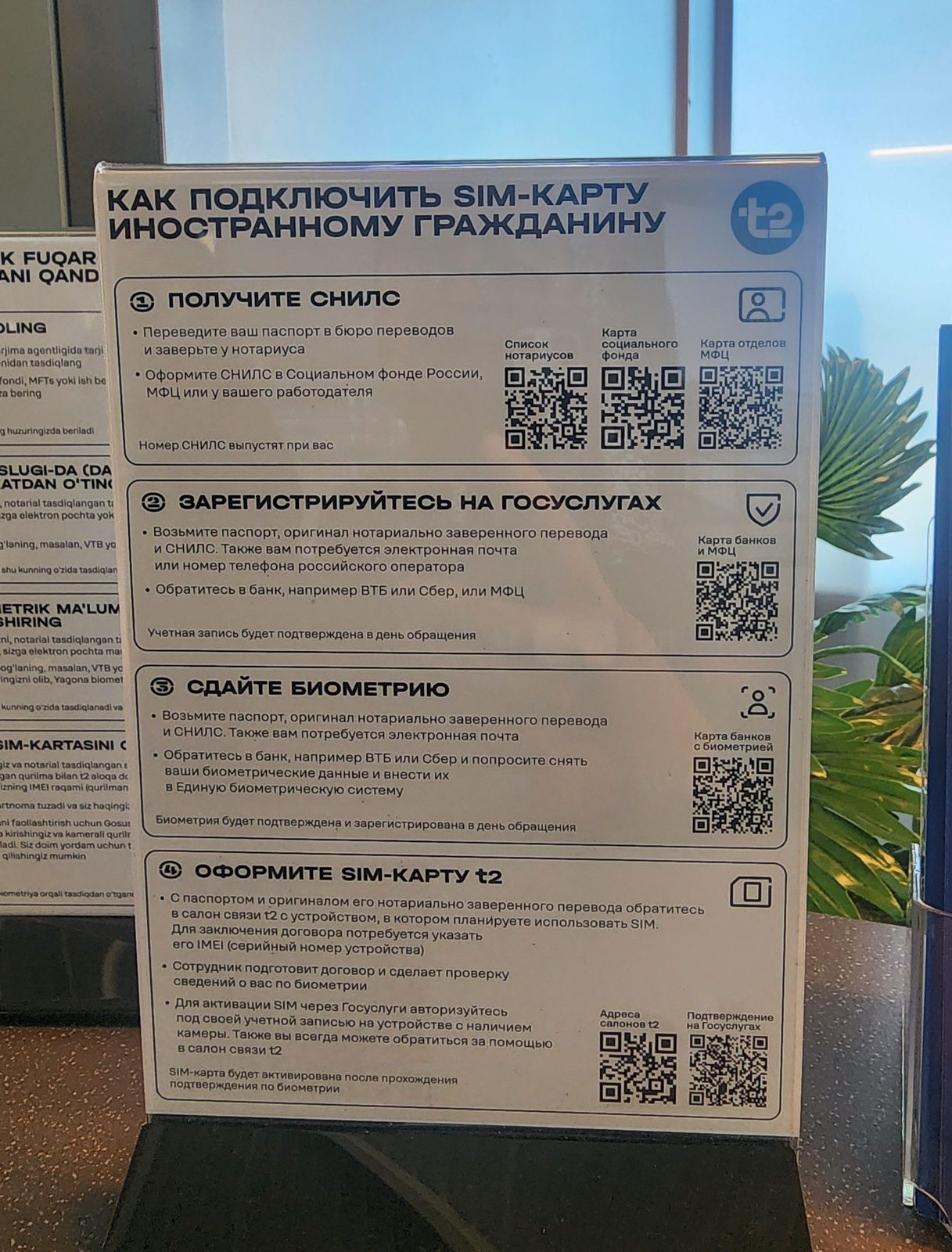
At Kazan International Airport I went straight to the SIM card counter — and the vendor couldn’t sell a physical SIM card to foreigners. He pointed me at a sheet of instructions, in Russian, explaining how a foreigner is supposed to go about it. I didn’t pay much attention at the time; I really should have, because it would have saved me hours later on.
I wanted to take the Kazan Aeroexpress into the city, but the ticket machine only accepted a MIR card and the ticket office was closed, so we took a taxi to the hotel instead. Luckily I’d already changed some of my euros in Istanbul — the notes weren’t in great condition — so I could pay the taxi in cash. I didn’t bother exchanging anything at the airport, since I knew the rates there wouldn’t be good.
Money: changing cash and the clean-banknote rule
Checking in was no trouble: I’d already paid for the hotels and apartments online in advance with my international debit card, so the receptionist just handled the registration and gave us a copy of the registration slip. The Kazan hotel staff didn’t speak any English, so I got by on my broken Russian and Google Translate.
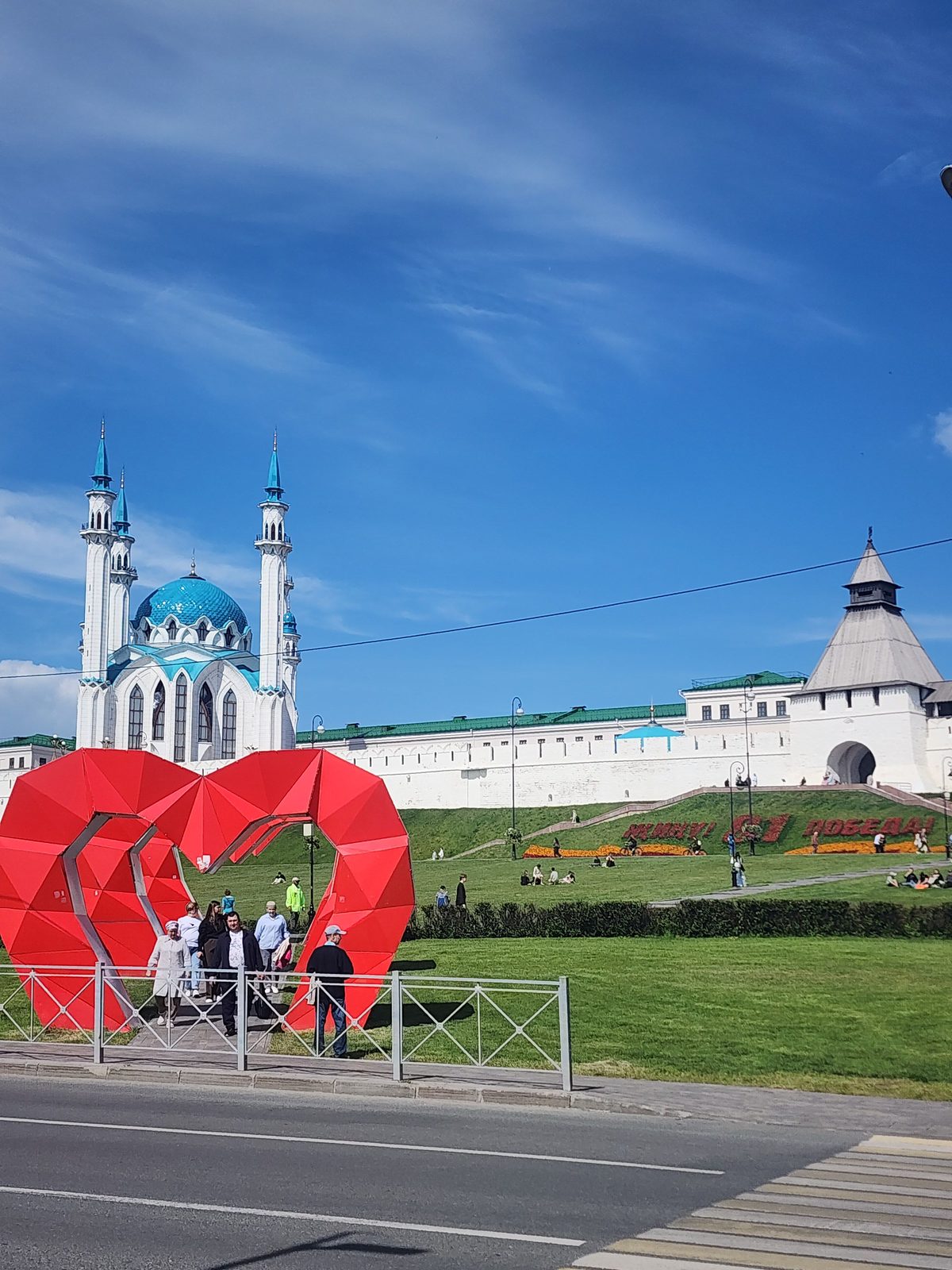
I asked the receptionist where I could change money, and she pointed me to a couple of banks nearby. I went to Ak Bars Bank to change my euros and dollars into rubles. Five of my €50 notes were rejected because they had oil stains or small tears. My mum’s US dollars, on the other hand, were all accepted — they were new and clean. Lesson learned: bring pristine banknotes.
A SIM, a bank card and getting online
The next day I went to Sberbank to try to get a debit MIR card, but I couldn’t — I needed a Russian phone number first. So I tried to register my biometrics and get a SNILS number at the MFC (the multifunctional public-services centre), and got turned away there too, because I didn’t have a notarised copy of my passport. In the end I gave up on the whole biometrics + SNILS + local SIM + Sberbank card chain, because I was leaving Kazan the next day and we wanted to get on with seeing the city.
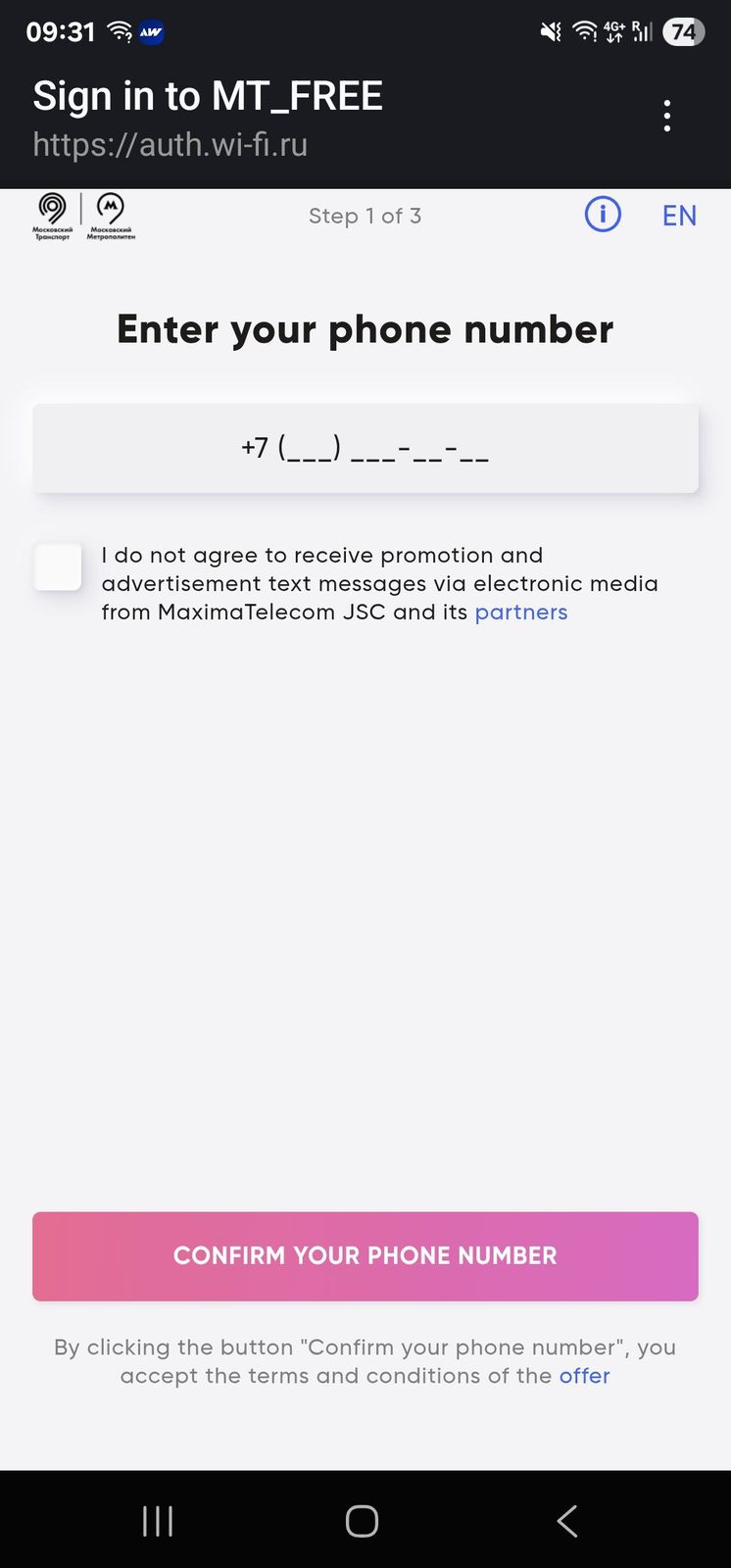
What saved me was that I’d bought unlimited data roaming from my own telecom provider before the trip. I needed it, because WhatsApp and Instagram weren’t loading on the hotel Wi-Fi. One tip: there’s Wi-Fi on the Moscow metro, but you need a Russian number to use it. To get online I had to click a link that arrived by SMS and then manually select the network operator in my phone settings. After that, my roaming worked in all three cities. I didn’t try an eSIM myself.
I couldn’t get my T-Bank card sorted in Kazan — the representative couldn’t reach me and I never got any messages or instructions. I only managed it in Moscow, after asking the hotel receptionist to phone the representative from her own phone; there, both she and the T-Bank rep could manage a bit of English. I got the card, and a T-Mobile SIM too, though I couldn’t be bothered activating the SIM in the end, since I already had internet and we weren’t staying long. Cash was still accepted almost everywhere, but paying by card is easier — especially if you don’t have small change.
Irena’s tip: if you’d rather not spend your first days chasing a local number, sort your connectivity before you fly — an eSIM you activate on arrival is the simplest route, and I explain the current options in the SIM-card guide.
The wonky GPS in central Moscow
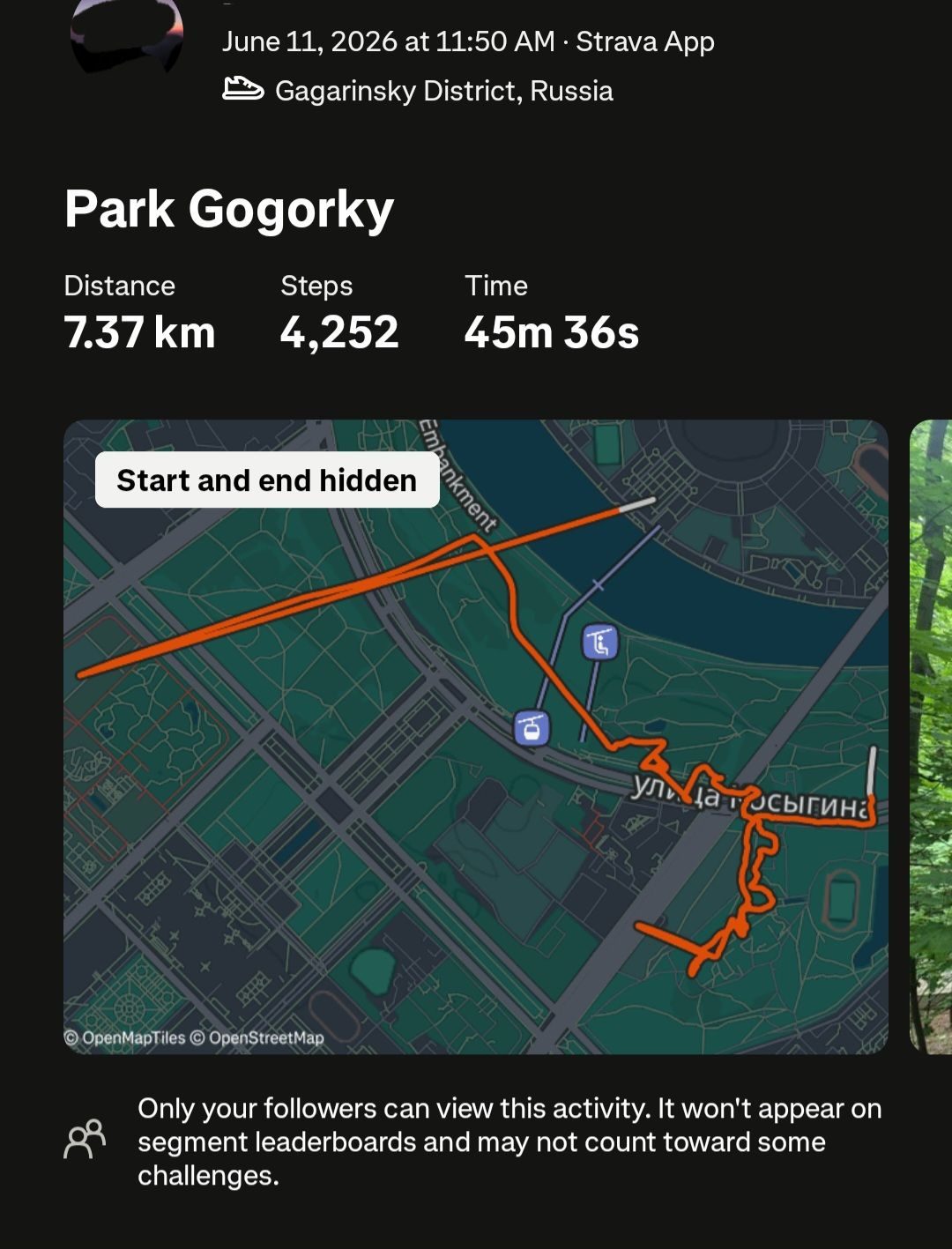
One thing I noticed getting around Moscow: the GPS was sometimes completely off in the city centre, so I ended up using buildings as landmarks instead of trusting the blue dot. It only happened in Moscow — it was fine in St Petersburg and Kazan — and it even showed up on my Strava (my exercise-tracking app). I used the 2GIS app to navigate in all three cities, because Google Maps doesn’t show the public-transport options.
Getting around: Troika, Podorozhnik and one Yandex taxi
We walked almost everywhere in Kazan, and used public transport in Moscow and St Petersburg. I bought a Troika card in Moscow and a Podorozhnik card in St Petersburg. You can also tap a MIR bank card, but it works out more expensive than a proper transport card in both cities. We only took a Yandex taxi once — to get to Pulkovo airport at the end.
Trains: overnight to Moscow, Sapsan to St Petersburg
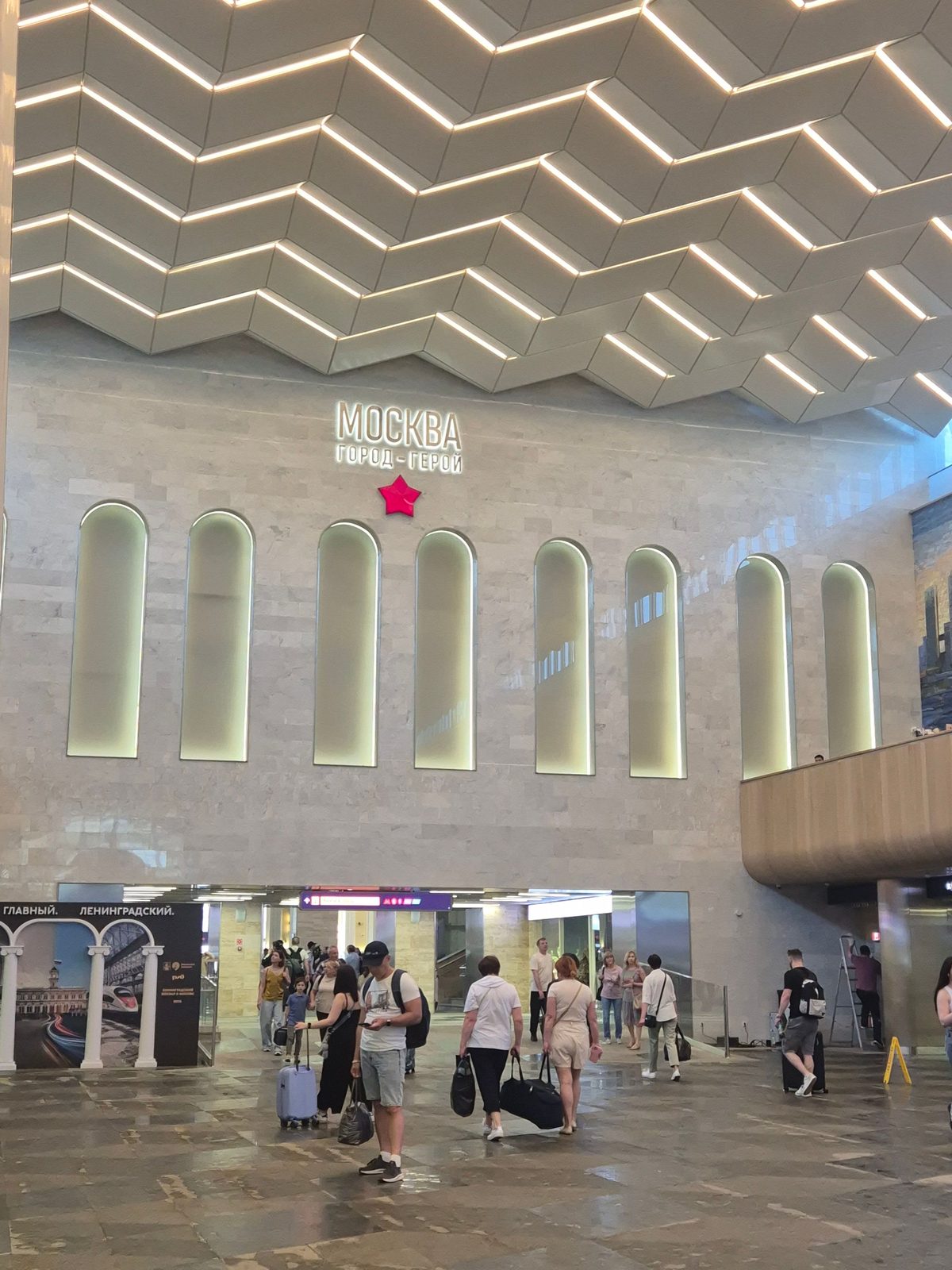
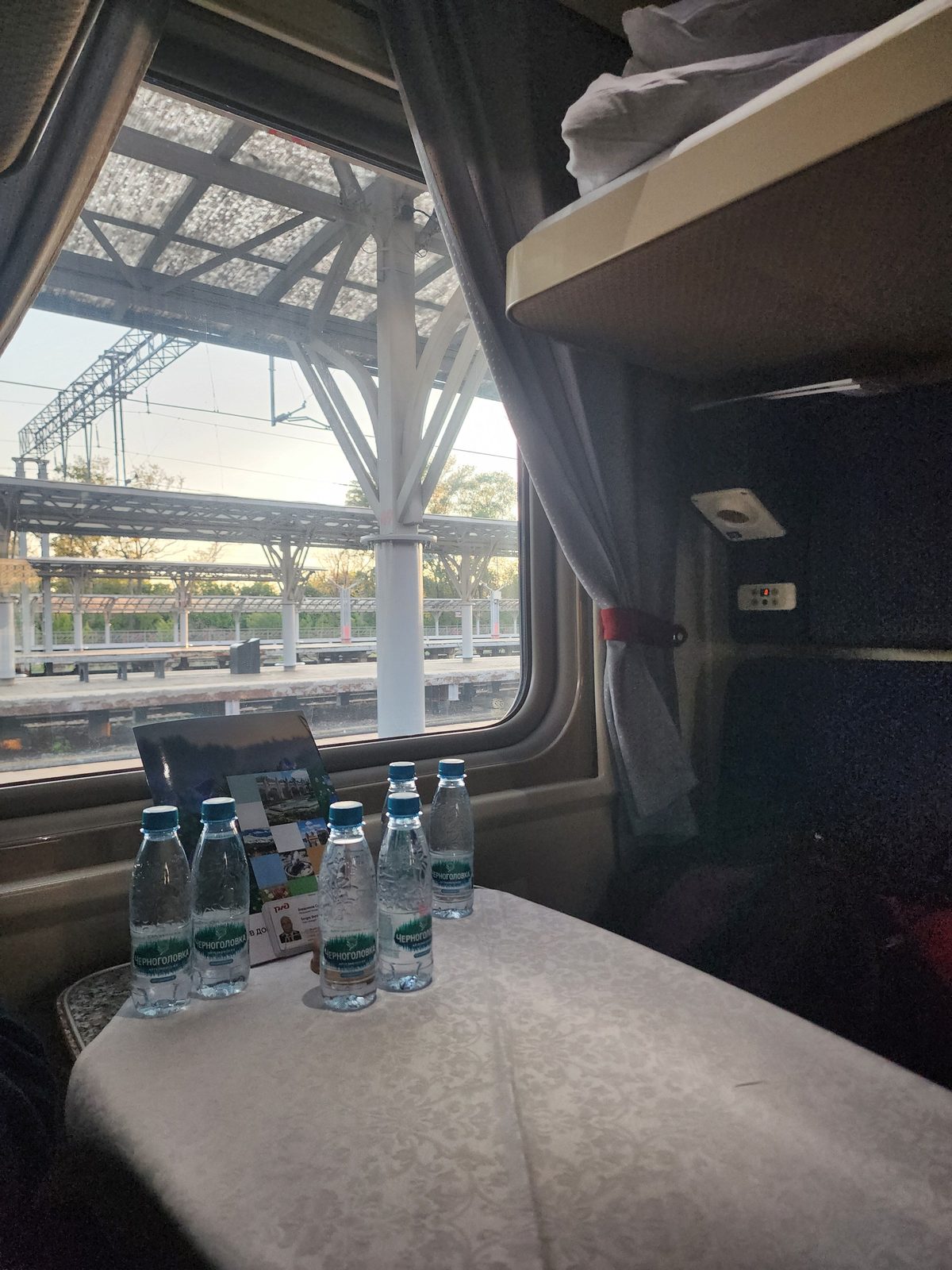
We took the overnight train from Kazan to Moscow, and then a Sapsan from Moscow to St Petersburg — more convenient than flying. I bought the tickets through the Belarusian railways site, which still accepts an international debit card, and the e-tickets were emailed to us. When I booked the Sapsan a month ahead there were only limited seats left, mostly in business and first class, so I just booked separate business-class seats for my mum and me. You only need to show your passport to board.
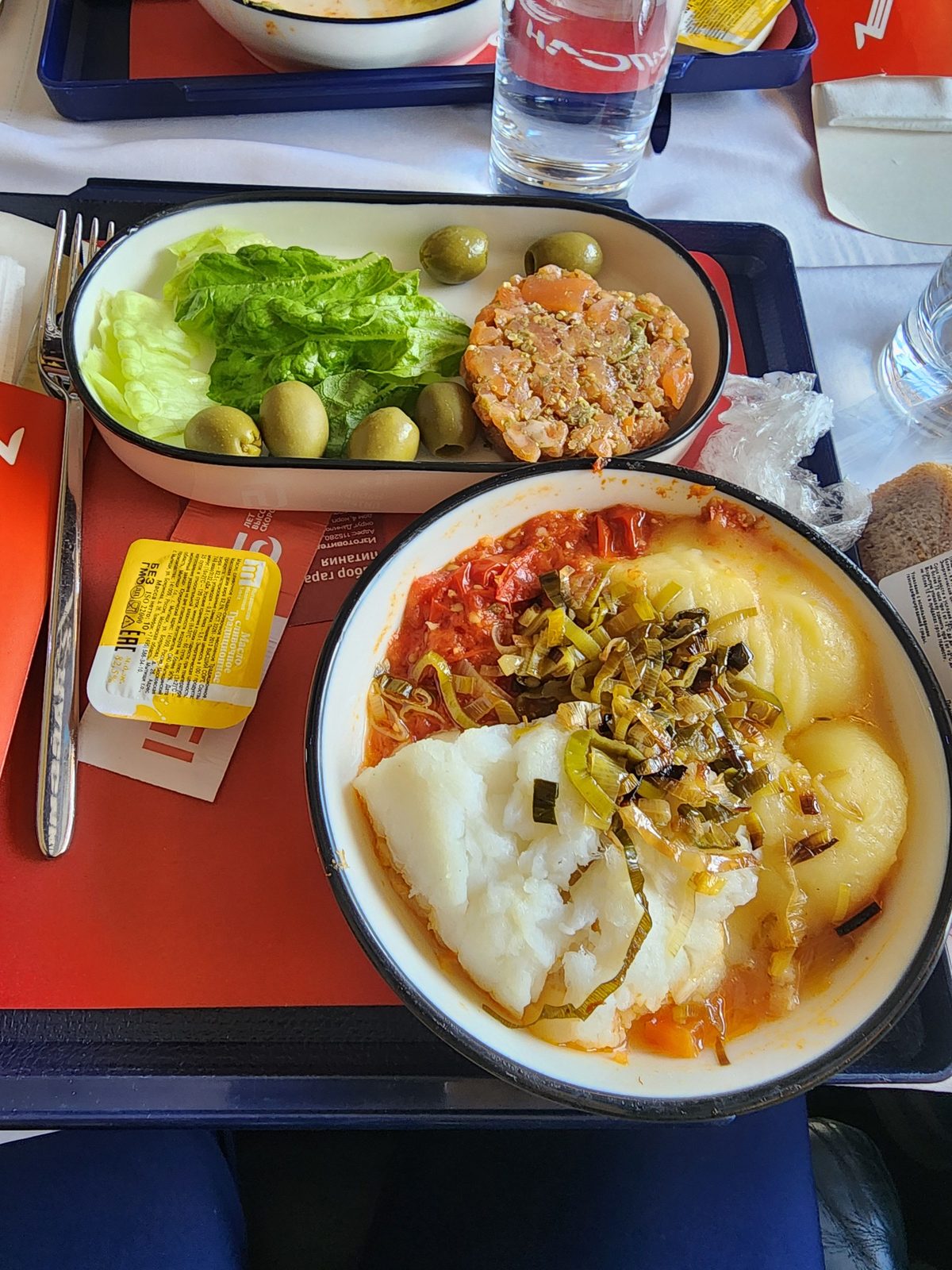
Sapsan business class was a lovely experience: spacious seats, lunch and dessert included, drinks served in a proper glass, real plates and cutlery. You can even pre-order a kids’, halal, vegetarian or gluten-free meal if you arrange it in advance. And because it was Russia Day (12 June), they handed us a chocolate and a little card.
The banya in St Petersburg
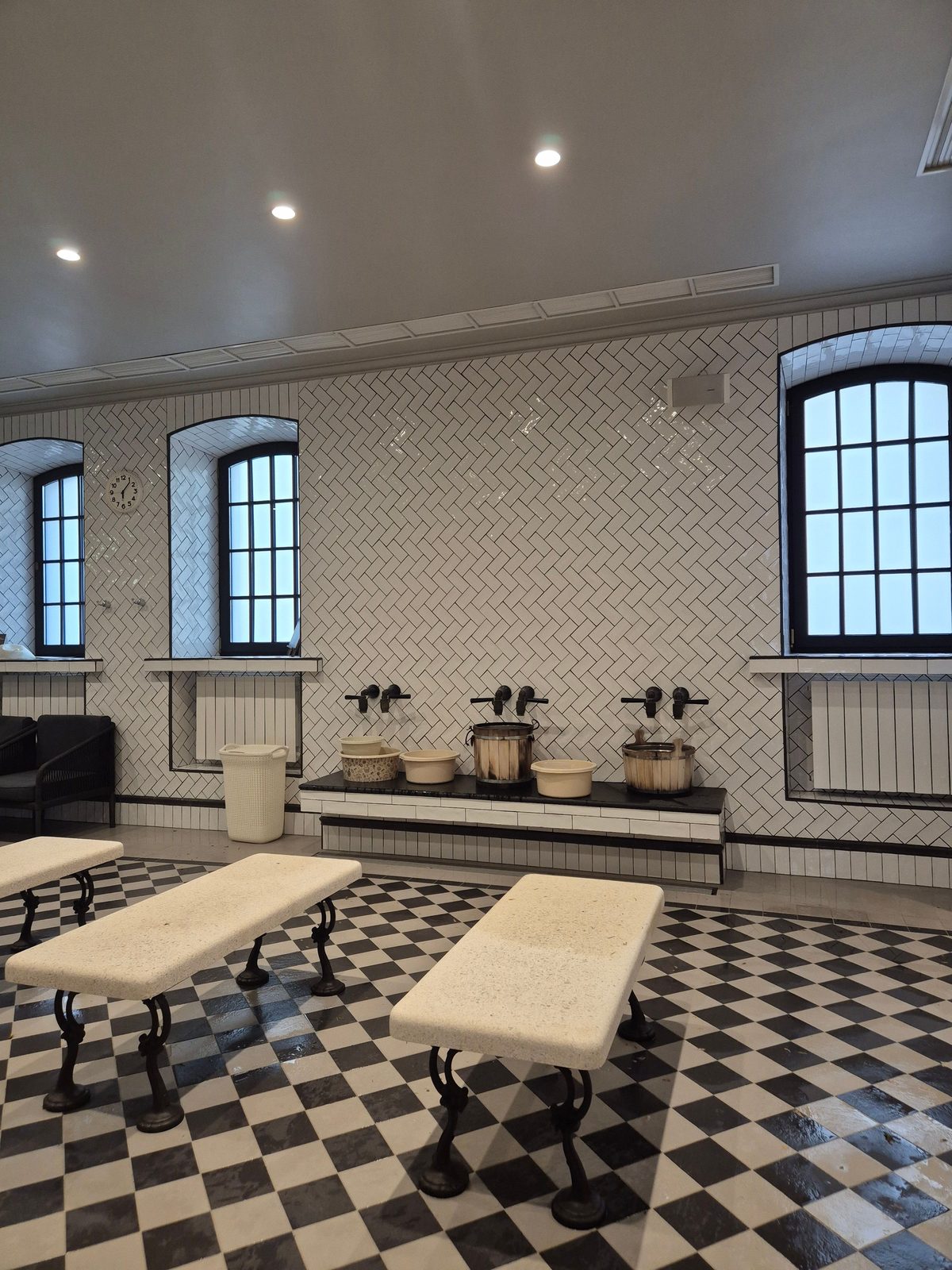
One of the most memorable moments of the whole trip was our banya at a public bath house in St Petersburg. It’s separated by gender, and the women’s section had a pool and several steam rooms — a Russian banya, a Finnish sauna and a Turkish hammam. It wasn’t our first time in a public bath house, so we knew how it works, but the steaming session in the banya was new to us.
The attendant gave each of us a eucalyptus branch and some ice cubes, then set about fanning the steam over us. The heat was intense, but breathing through the eucalyptus scent and rubbing the ice cubes made it bearable — and it was so refreshing to end our last full day in Russia this way. I’d really recommend trying it, especially after a long day of sightseeing.
How safe did we feel?
Overall, we felt safe throughout the trip as two women travelling together, and we were never made to feel unwelcome. I also wasn’t stressed about pickpockets. The locals were helpful, and quite a few of them went out of their way to speak a bit of English, or to find a member of staff who could.
Have you been to Russia recently and want to share your own experience? Tell me about your trip here and I’ll publish it in this section — with your name or anonymously, whichever you prefer, just like this reader. Honest accounts like this one are the ones that really help people who are planning their own trip.
In This Article
Was this useful? I'll tell you when something changes in Russia
One short email a month with what has changed for travellers (visas, payments, border crossings, apps), based on what readers report to me from Russia. More than 4,000 of us already. No spam: if you ever lose interest, unsubscribing is one click.
Irena DomingoAbout Me
I was born in Russia. I grew up between two worlds: my father was Russian, my mother Spanish — a descendant of the "Children of Russia", the Basque children evacuated to the USSR during the Spanish Civil War. I've worked as a translator, interpreter and Russian teacher for over 30 years, and since 2013 I've been writing this blog to help travellers discover Russia with practical, always up-to-date information. Author of the Russiable Guide. If this blog has helped you plan your trip, you can buy me a coffee ❤️.
 From La Roche-sur-Yon to Moscow Overland: Nicolas’s Winter Odyssey
 St. Petersburg in Winter via Riga: Etienne’s Chronicle
 St. Petersburg, Moscow and Kislovodsk: Francesco’s Chronicle (and the Four Routes to Enter Russia)