
Where to Exchange Euros or Dollars for Rubles if You’re Traveling to Russia in 2026?
 By Irena Domingo
Updated on
In This Article
If you’re planning a trip to Russia this year, you’ve probably noticed that you need to have everything sorted before taking off… especially when it comes to money. Since international sanctions began, Visa, MasterCard, and American Express cards issued outside of Russia simply don’t work within the country. So, it’s back to basics: carrying cash. Here, I’ll tell you everything you need to know to exchange your euros or dollars for rubles without any hassle, especially if you’re heading to Moscow or St. Petersburg.
This is step 7 of my guide to planning a trip to Russia in 10 steps, where you’ll find everything else in order.
🎟️ First Things First: How Much Money Can I Bring?
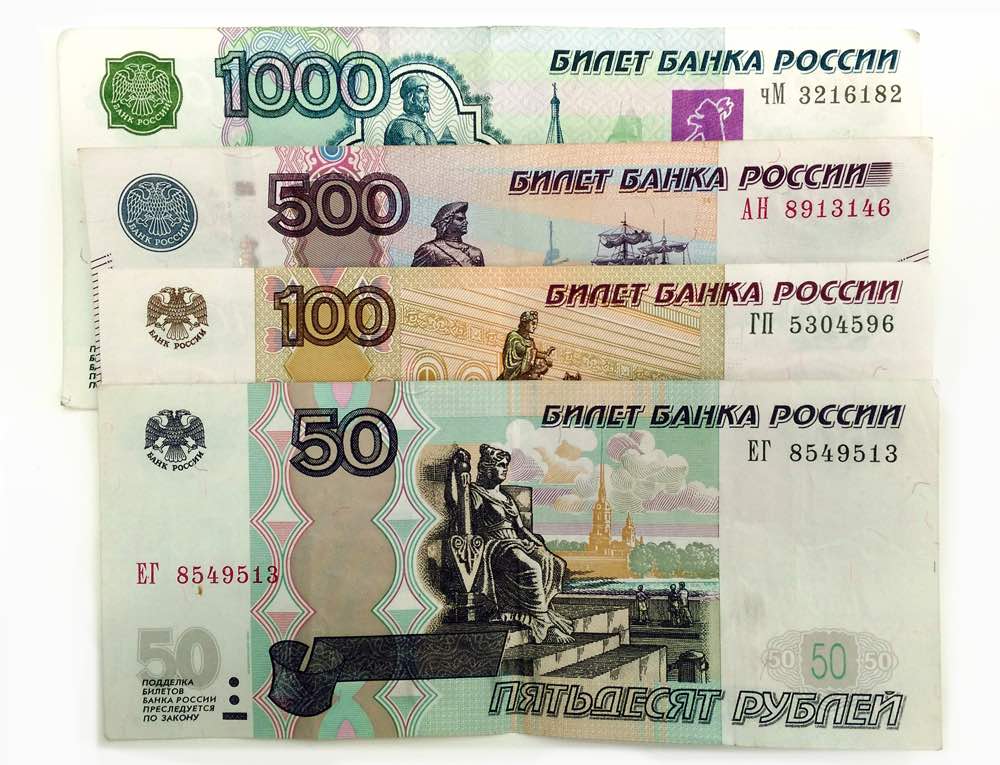
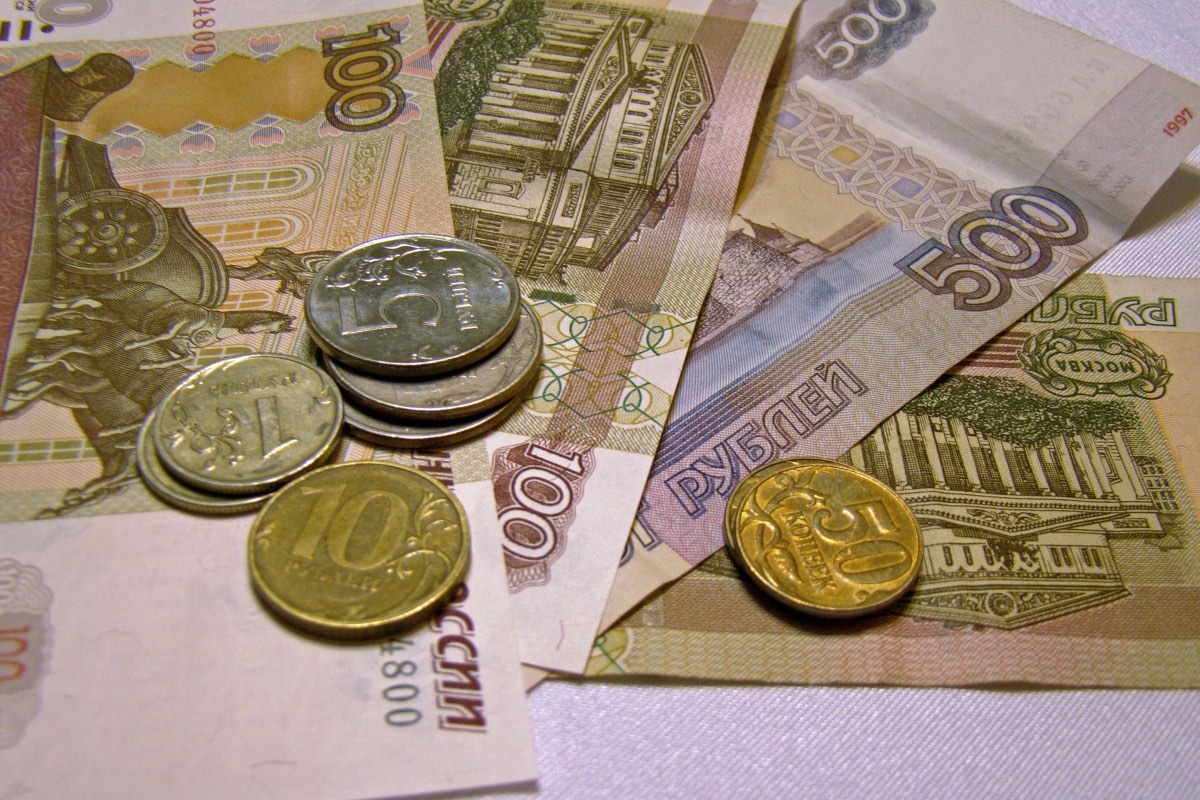
The first thing to understand is that in Russia, you can only pay in rubles. Neither euros, dollars, nor any other foreign currency are accepted as legal tender. It’s mandatory to pay in rubles, so you’ll need to exchange your euros, dollars, or pounds before or during your trip.
If you’re arriving by plane, you can bring up to $10,000 or its equivalent in euros without having to declare it. If you exceed that amount, you’ll need to go through the customs declaration process. It’s not illegal to carry more, but you do need to justify it and declare it in writing.
Now, an important detail: how you arrive in Russia affects the control over the money you bring.
If you’re traveling by plane with layovers in countries like Turkey, Serbia, or Morocco, which are not part of the European Union, you won’t have issues bringing your money in euros or dollars. These routes have become one of the main access points to Russia from Europe, and they’re quite popular precisely because there are no controls over cash export. You can carry your bills perfectly in your backpack, in a money belt, or wherever you prefer (just use common sense and don’t exceed the $10,000 limit).
On the other hand, if you’re crossing into Russia by land border from an EU country (Estonia, Latvia, or Poland), the situation changes. European authorities may apply restrictions because the EU officially prohibits exporting euro bills to Russia. In practice, this means that they may search your luggage and only allow you to carry enough to cover your stay, especially if you’re carrying a lot of cash in euros. It’s not common, but it’s a factor to consider.
Some travelers have reported that at the Estonian border, they weren’t allowed to bring more than 300 euros for a 4-5 day stay, which is about 60-70 euros per day. However, on your return, they will give that money back to you. In this case, you have the option to exchange all your euros for rubles in Estonia before crossing the border (there are several exchange offices), but the exchange rate will be worse than in Russia.
💶 Is It Better to Exchange Money Before Traveling?
I recommend bringing some rubles from home to cover initial expenses right after landing (taxi, food, metro…). With about 50-100 € in rubles, you should be fine. But don’t exchange too much before traveling, as the exchange rate outside of Russia is usually quite poor.
In EU countries, you can find rubles at banks and exchange offices like, for example, ExactChange in Spain (where I currently live). Sometimes they allow you to reserve online and pick up at a branch or even have them sent to your home. However, do it in advance because they usually don’t have rubles available at the counter without prior notice.
From the USA, it’s more complicated, but there are also banks or online services that handle it, although with slightly higher fees.
In any case, before the trip, pay for as much as you can with a card from your country: flights, trains, and especially accommodation. For example, you can book hotels with ZenHotels and have them paid for in advance, and also buy train tickets on the Russiantrain website, which accepts foreign cards. This way, you minimize the cash you’ll need to carry with you.
🪙 Where to Exchange Money in Russia?
Once in Moscow or St. Petersburg, the most convenient way is to exchange euros or dollars in cash at exchange offices or banks.
🏦 Banks
Sberbank, VTB, or Tinkoff have branches everywhere and accept euros or dollars without any issues. You’ll only need your passport, and generally, they don’t charge a commission, although the exchange rate may vary slightly between banks. Downtown branches usually offer good rates and are more accustomed to dealing with tourists.
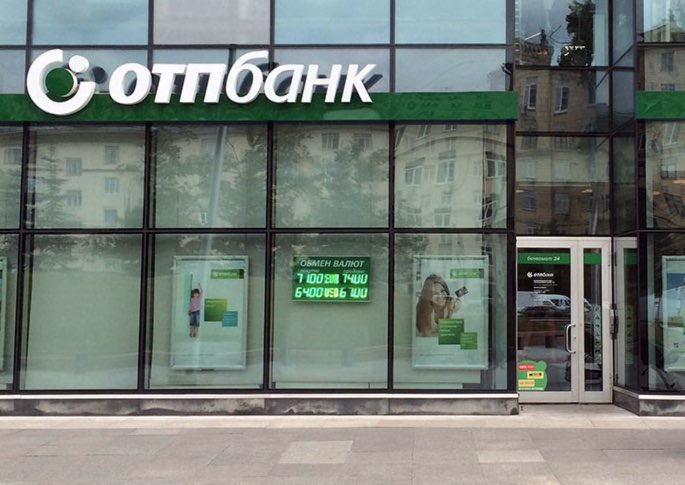
💱 Exchange Offices (обмен валют)
They’re everywhere in the city centers and usually have electronic screens with visible exchange rates. Most are open every day, some even 24 hours. Here, you often get a better rate than at banks. Just make sure it’s a legal exchange office (they exist) and avoid exchanging on the street or with individuals.
✈️ Airports and Hotels
Exchanging money at the airport or hotel is the most expensive option. Only do it if you urgently need cash upon arrival, and exchange just enough. Once you get to the city center, you’ll almost certainly find better rates.
🔍 Important Tip
In Russia, they are very strict about the condition of the bills. Don’t bring old, torn, folded, or marked dollars or euros. They might reject them or give you less for them. Make sure the bills are in perfect condition, as if they just came from the bank.
If your stay in Russia is long, you might be interested in opening a bank account or acquiring a Russian MIR card that you can load with your euros, dollars, or rubles.
💰 Can Other Currencies Be Exchanged Besides Euros or Dollars?
In Russia, yes, you can exchange other foreign currencies besides euros and dollars, but not everywhere.
The most commonly accepted for exchange are:
- Euros (EUR)
- US Dollars (USD)
- British Pounds (GBP) – accepted at many large exchange offices and major banks, especially in Moscow and St. Petersburg.
Other currencies (less common):
- Swiss Francs (CHF), Chinese Yuan (CNY), Japanese Yen (JPY): can be exchanged at some offices, but it’s not widespread.
- Canadian (CAD) or Australian Dollars (AUD): more difficult, only at some specialized exchange offices.
Recommendation:
If you don’t have euros or dollars, the safest bet is to bring British Pounds, as they are usually accepted in large cities. But if you’re traveling from another country, it’s preferable to exchange your currency for euros or dollars before traveling to ensure you can exchange without issues in Russia and get a better exchange rate.
💰 How Much Cash Do I Need for the Trip?
Here’s a guideline for an average trip, assuming you already have the flight, train tickets, and hotel paid for in advance:
- Budget-friendly: 2,000–3,000 rubles per person per day (~20–30 €)
- Mid-range budget: 4,000–5,000 rubles per person per day (~40–50 €)
- Comfortable budget: 6,000–10,000 rubles per person per day (~60–100 €)
- For two people: calculate double, although you can save on transportation or share some expenses.
So, to give you an idea, a mid-range budget would be:
- 5 days: 25,000 rubles (250 €)
- 7 days: 35,000 rubles (350 €)
- 10 days: 50,000 rubles (500 €)
However, if you plan to attend the opera, cultural shows, or dine at luxury restaurants, keep in mind that the daily budget will be higher, so bring extra if you want to indulge in those treats.
🧳 Tips for Carrying and Protecting Your Money
Carrying cash doesn’t have to be a headache if you take some basic precautions. Here are some practical tips to move around with peace of mind:
- Don’t put all your eggs in one basket. Divide the money into several places: some in your money belt or hidden pouch, some in the hotel safe (if available), some in your toiletry bag or an inner pocket of your luggage. This way, if you lose or get robbed of one part, you won’t be left with nothing.
- Only carry what you need in your pocket. Go out each day with the cash you really need, plus a small extra just in case. Leave the rest well secured. It’s more convenient and much safer.
- Avoid showing money in public. It seems like common sense, but it’s worth repeating: counting bills in the middle of the street or pulling out a wad to pay for a bottle of water isn’t the best idea. Better discretion than giving hints.
- Always check your change. When exchanging money, don’t hesitate to ask for the calculation to be shown or done in front of you. Count the rubles calmly and don’t leave until you’re sure everything adds up.
🆘 What If I Run Out of Cash in Russia?
Hopefully, it won’t happen, but if you find yourself short on money, here are some options:
- You can receive money from Europe through some of the few services that work for sending money to Russia.
- You could also ask a friend to send you crypto or send it to yourself (if you know how to navigate that world). Here’s a guide on how to do it.
- As a last resort, contact your embassy. They don’t provide money, but they can help you contact someone who can send it to you.
✍️ In Summary…
- Bring cash (preferably USD or EUR in good condition).
- Exchange a small amount before the trip.
- Be aware of border limitations, especially if entering from an EU country.
- Exchange most of it in Russia, at exchange offices or banks in the city center.
- Plan for a mid-range budget of about 50 € per day per person (or more, depending on your travel style).
- Take good care of your money, and don’t get complacent.
- If you find yourself in trouble, there are still ways to receive help from abroad.
Traveling to Russia nowadays requires a bit more planning than before, yes. But with these tips, you can enjoy your trip without complications and with peace of mind.
In This Article
Was this useful? I'll tell you when something changes in Russia
One short email a month with what has changed for travellers (visas, payments, border crossings, apps), based on what readers report to me from Russia. More than 4,000 of us already. No spam: if you ever lose interest, unsubscribing is one click.
Irena DomingoAbout Me
I was born in Russia. I grew up between two worlds: my father was Russian, my mother Spanish — a descendant of the "Children of Russia", the Basque children evacuated to the USSR during the Spanish Civil War. I've worked as a translator, interpreter and Russian teacher for over 30 years, and since 2013 I've been writing this blog to help travelers discover Russia with practical, always up-to-date information. Author of the Russiable Guide. If this blog has helped you plan your trip, you can buy me a coffee ❤️.
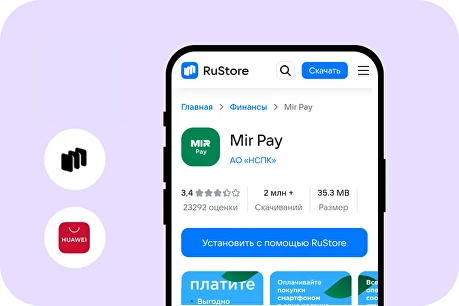 Mir Pay: How to Pay with Your Phone in Russia (No Physical Card Needed)
 YooMoney MIR Card: How to Get One as a Foreigner
 How to Pay in Russia in 2026: What Works and What Doesn’t