
From La Roche-sur-Yon to Moscow Overland: Nicolas’s Winter Odyssey
 By Irena Domingo
Updated on
In This Article
Nicolas lives in La Roche-sur-Yon and, in December 2025, he set off on his very first trip to Russia, entering on an e-visa. On paper, an overland route from Europe. In practice, one of the most far-fetched journeys anyone has ever told me about: a night bus, a train, an FSB turn-back at the Smolensk border, a U-turn to Minsk, emergency flights, a Cossack village lost on the Don, then Rostov and finally Moscow. Fair warning: this is not a model itinerary to copy, it’s an adventure. But there are very concrete lessons to draw from it, above all about the e-visa at land borders and about cash. If this kind of against-the-grain trip is your thing, take a look too at Miki’s chronicle, who drove to Russia in the dead of winter.
What follows is Nicolas’s own account, in his words, with his mishaps and his own photos. I’ve tidied up his text so it reads smoothly, but everything he tells is his. Thank you, Nicolas, for sharing it.
The itinerary at a glance
Before getting into the detail, here’s the route in summary. The tracing is approximate, but it gives a good idea of the path (and the forced detours):
| Stage | Leg | Transport |
|---|---|---|
| 1 | La Roche-sur-Yon → Paris | Car |
| 2 | Paris (Beauvais) → Warsaw | Plane |
| 3 | Warsaw → Minsk | Night bus (12 h) |
| 4 | Minsk → Smolensk → Minsk | Train (turned back by the FSB, e-visa not valid here) |
| 5 | Minsk → St. Petersburg | Plane |
| 6 | St. Petersburg → Volgograd | Plane |
| 7 | Volgograd → Starozolotovsky | Car (6 h) |
| 8 | Starozolotovsky → Rostov-on-Don | Bus |
| 9 | Rostov → Moscow | Bus (17 h) |
| 10 | Moscow → Istanbul → Paris → La Roche-sur-Yon | Plane |
Approximate tracing of Nicolas’s trip. Dashed grey: the legs across Europe and the way back; dotted red: the failed there-and-back to Smolensk; solid red: the route inside Russia.
The big departure: La Roche-sur-Yon, Paris, Warsaw
It was our first trip to Russia, and even our first outside the European Union. Adventure in its purest form: the complete unknown, the adrenaline, and a bit of stress… well, that’s putting it mildly! These few lines are only a glimpse: telling it all in detail would fill a novel.
We left in the morning from La Roche-sur-Yon by car to Paris, had lunch, then headed to Beauvais for the flight to Warsaw. We landed at 11 p.m.: grey, cold, not very welcoming. We got the wrong bus stop and ended up walking over an hour in the dead of night to reach the hotel, without ever feeling unsafe. People are lovely, just as I remembered. On the other hand, all the restaurants we’d spotted had closed (we’re vegan); we finally tracked down an excellent ramen, and the Christmas market was gorgeous. That evening we set off for Minsk on a night bus, 12 hours on the road.
A word about these bus and train legs: they’re endless, only to be recommended to seasoned travelers. The bus was very uncomfortable, with no 220 V sockets, constant stops, and the lights coming back on every time passengers got on. The border crossing ran two hours behind, and not one of the buses we took had a toilet. We just caught our train from Minsk to Moscow, a 7-hour journey, impossible to sleep, nothing to eat or drink. We were already starting to run on empty.
The plot twist: turned back by the FSB at Smolensk
On arriving at Smolensk, the first Russian city after the border, we were stopped and taken off the train by the FSB. The reason: our e-visa wasn’t valid at that crossing point. Panic. U-turn, back to Minsk.
Crucial information for future travelers: the e-visa is only accepted at a very limited number of land border crossings, whereas it’s valid at every airport. It’s exactly the kind of detail that can wreck a carefully planned itinerary. If you’re planning to enter by road, check crossing by crossing that yours accepts the e-visa: I explain it all in the guide to Russia’s borders.
The FSB officer, for his part, was incredibly kind and understanding. He apologized several times that we couldn’t continue, and even helped us buy a return ticket to Minsk paying in euros. We chatted a bit in Russian; he also spoke very good English: that saved us.
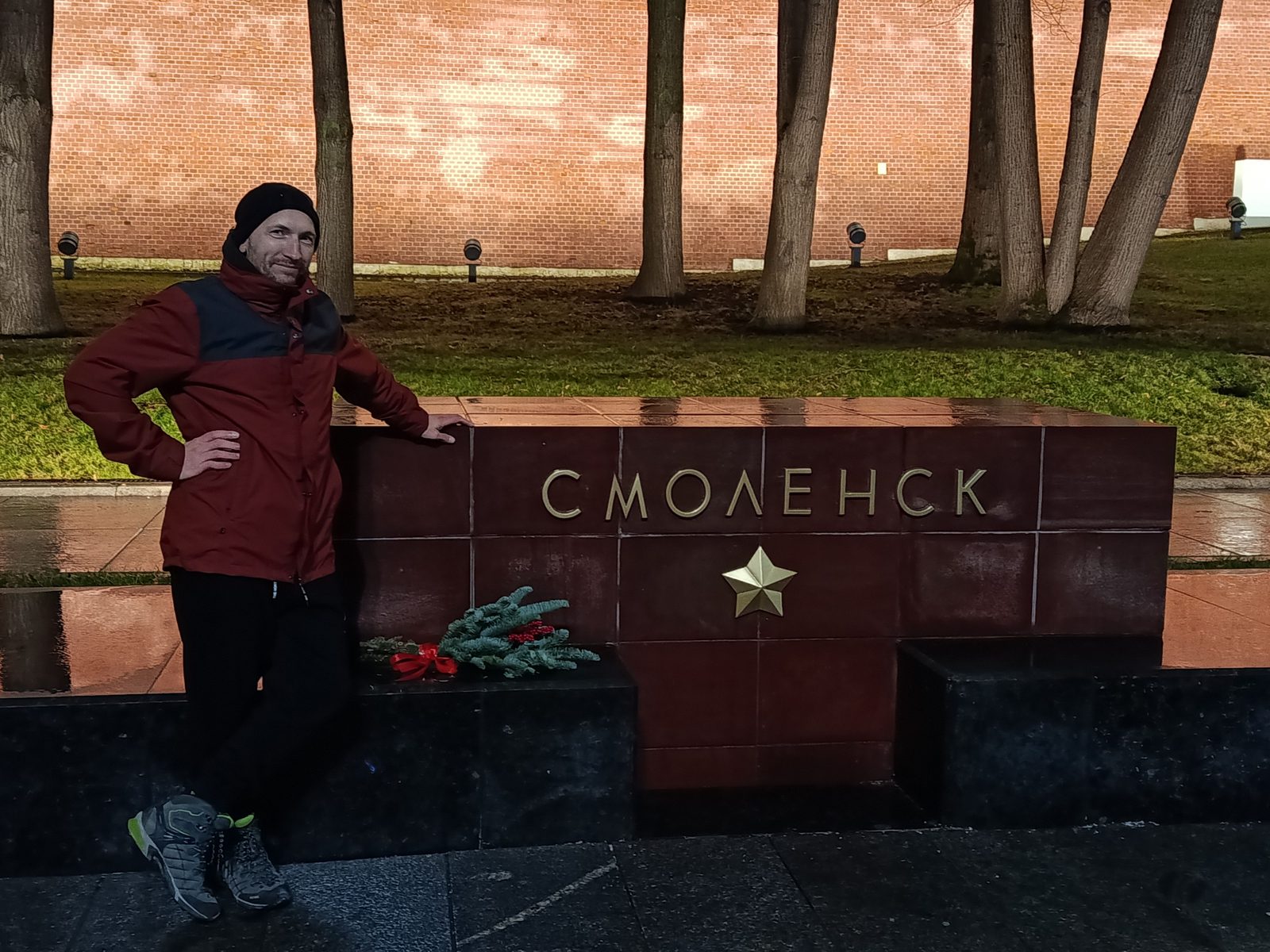
Back to Minsk on a 12-hour train, ancient. Our phones no longer worked, the bank card certainly didn’t, impossible to pay for anything in euros, and by 11 p.m. everything was closed. We managed to grab a bite at a fast-food place in Minsk station. That’s when I really asked myself: «What do we do?» The thought of calling the whole thing off crossed my mind for a moment. But my wife was counting on me, and our very dear friend who lives in Russia instantly reawakened my stubbornness. We set about finding an alternative.
St. Petersburg and Volgograd, fast-forward
We ended up taking a somewhat informal taxi in the middle of the night. The driver was wonderful: he acted as our guide along the way, insisted on carrying our bags, and even kissed my wife’s hand. We could pay in euros, I left him a good tip, and we found a hotel near Minsk airport. With the help of our friend and his wife in Russia, who sorted out the tickets for us, we got a flight to St. Petersburg the next morning. It wasn’t our planned route at all, but we adapted. A thousand thanks to them: they helped us at every step, from the FSB to the hotels to the plane tickets.
On arriving in St. Petersburg, the passport control officer wasn’t very friendly, sighing every thirty seconds. We thought: «Ah, there’s the image of the Russian we’re always shown.» At that stage of the trip, we were understandably of two minds. In the airport we came across a clothing shop, but no way to pay in euros… that annoyed me.
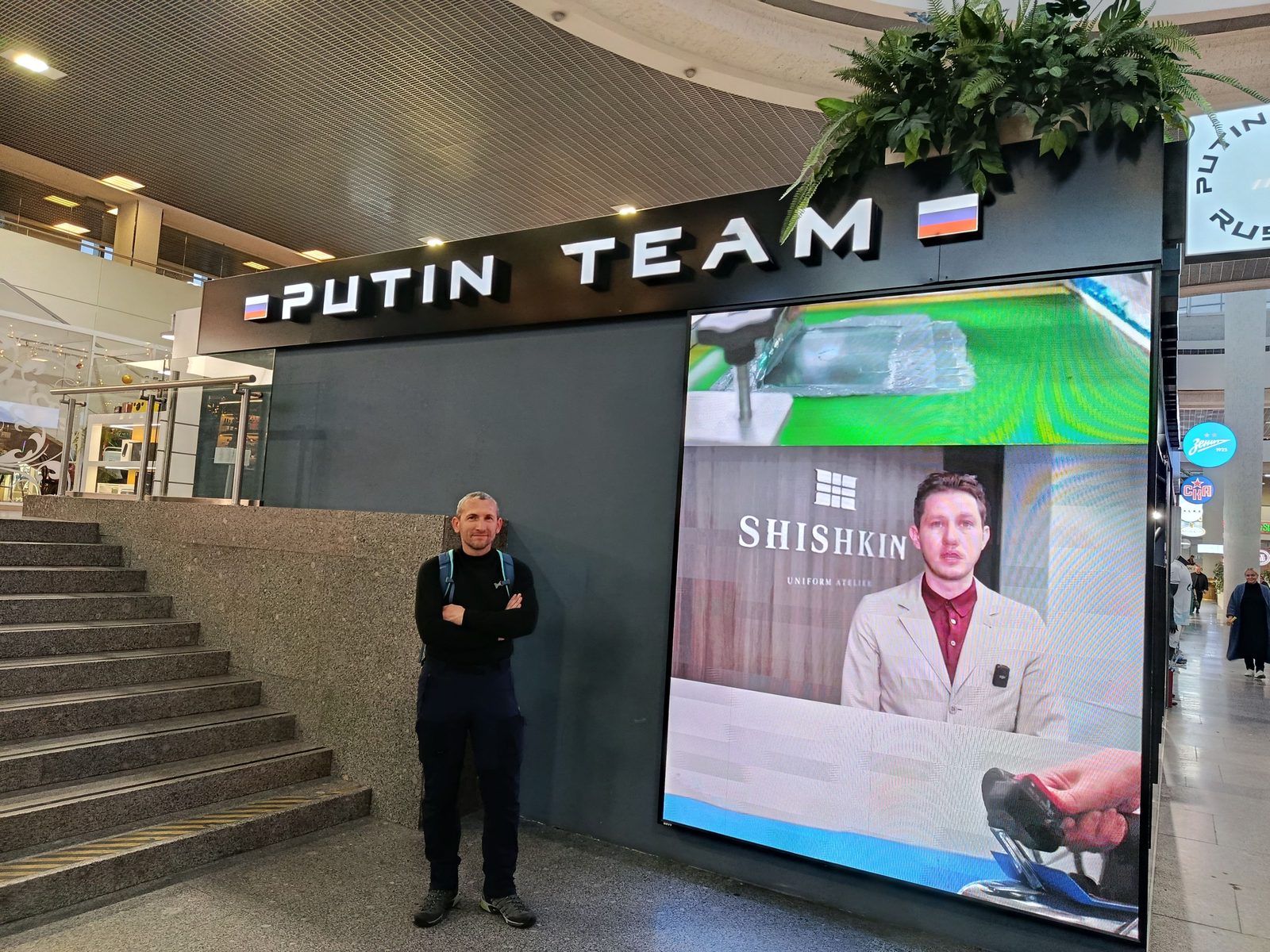
A few hours later, a flight from St. Petersburg to Volgograd, still without having eaten or drunk anything, for lack of rubles. Exhausted. In Volgograd we’re finally met by Vyacheslav, and off we go again: 6 hours by car to Starozolotovsky. A big thank-you to him: he made that slightly crazy round trip, 12 hours in all, just to come and pick us up. The road, though, was full of potholes everywhere, the surroundings bleak; we were on edge, but where were we heading now?
Starozolotovsky, the village that got us back on our feet
Arrival in Starozolotovsky: what a relief. At night, everything is beautiful, lit up, decorated for Christmas, picturesque. At last we’d be able to eat and sleep! The next day, a tour of the village, the museum, the restaurant, and the orchard with our host Vyacheslav. The lodging was great (we shared it with three other French travelers). A power cut of a few hours? Here it seems normal: you fire up the generators and off you go again.
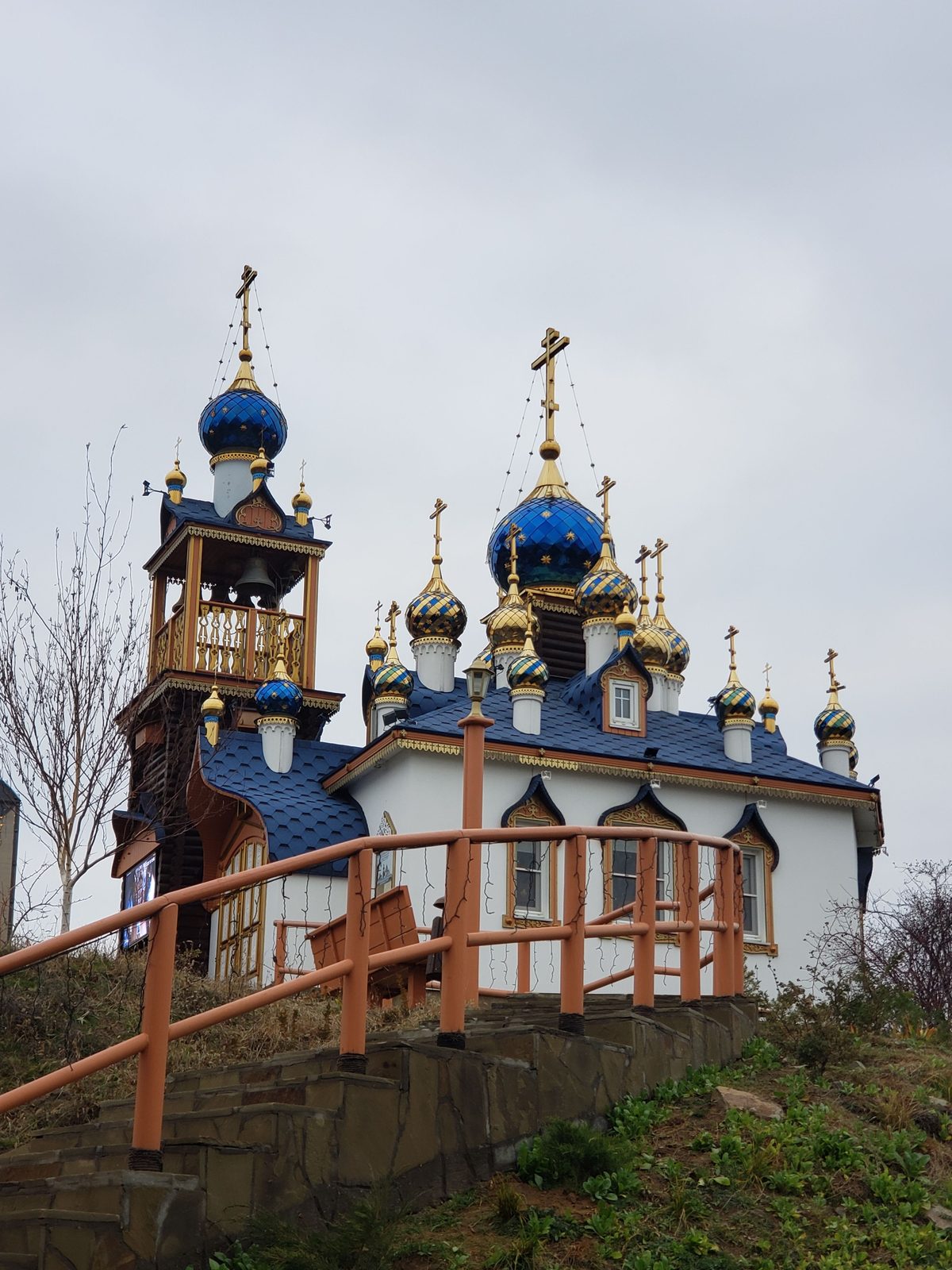
The food was excellent: pirozhki, pelmeni (we even found a coin inside ours; apparently it brings good luck), a delight. I was eating as if I hadn’t had a bite in three days… which was more or less the case.
We set off to visit Ust-Donetsk, right nearby. On the way, in the distance, I see a big mass moving in the middle of the road: at first I think it’s a large dog… and suddenly it takes flight. It was a sea eagle perched there, enormous. I’d never seen such a gigantic bird.
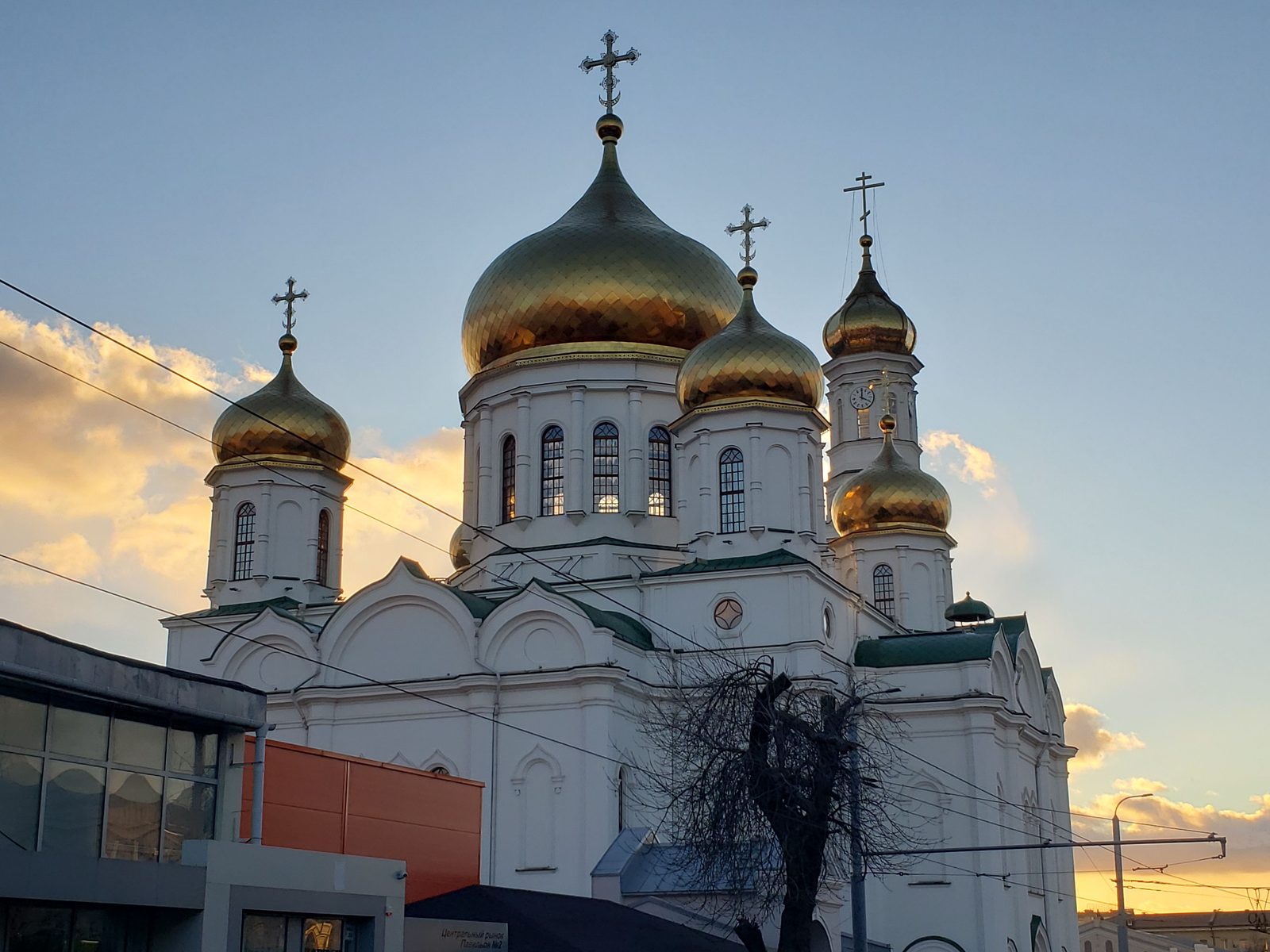
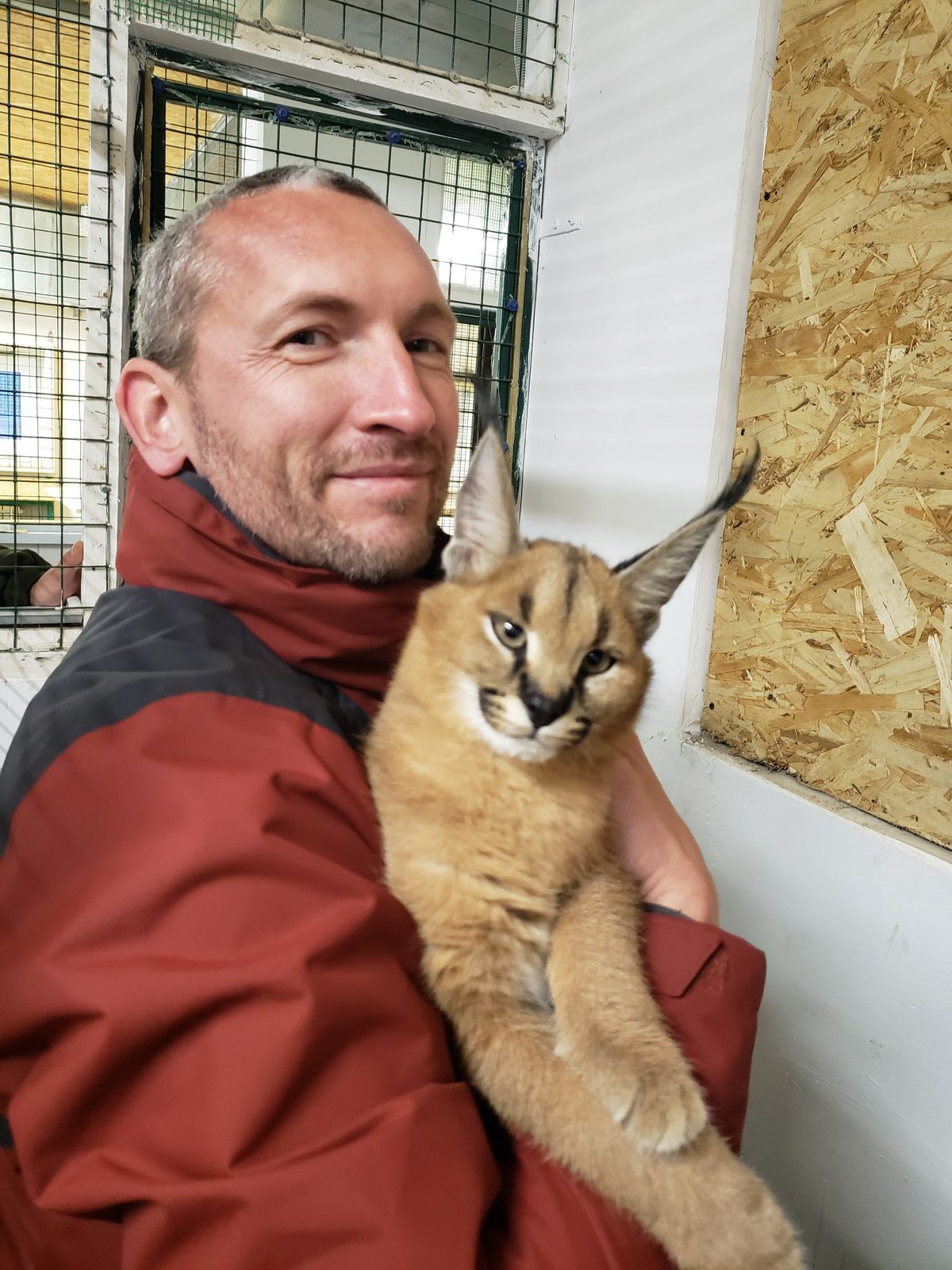
We also visited Konstantinovsk, a pretty little town with all the amenities. In Starozolotovsky there are loads of cats, small and stocky, that come up begging for cuddles. And then there’s that animal reserve, with wolves, dogs, and even caracals: gorgeous big cats. I got to hold a baby caracal! The village itself is absolutely stunning: everything clean, green, perfectly kept.
Rostov-on-Don: banks, paperwork, and a real bed
Off to Rostov, not without stress: the train tickets were gone (cancelled) and we’re dropped at the wrong bus station. Once again over an hour on foot, with our two suitcases and our two backpacks, heavy from the start. We had to walk another hour to find a bank and change a little cash (at last!)… but they only accept notes in perfect condition.
The hotel, a Mercure, was outstanding: a large, bright, clean room, lovely staff. We’d booked it with no nasty surprises, as you can from home with a foreign card (I explain how in the guide to booking a hotel in Russia). The staff tried to translate everything into French and were delighted to slip us a few words in our language. In the lift, a priest greeted me; I answered in Russian and he thought I was Russian, finding my accent perfect.
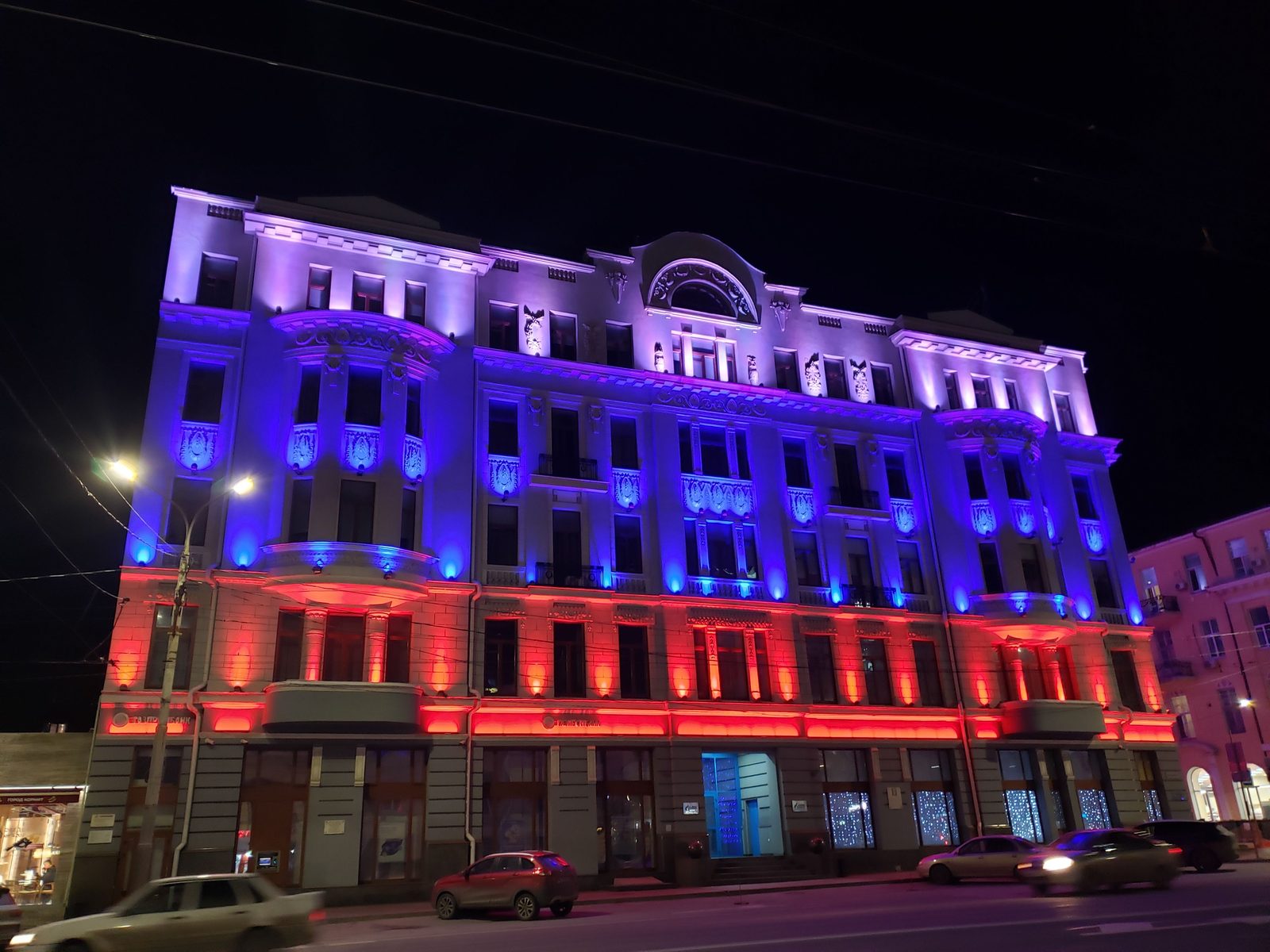
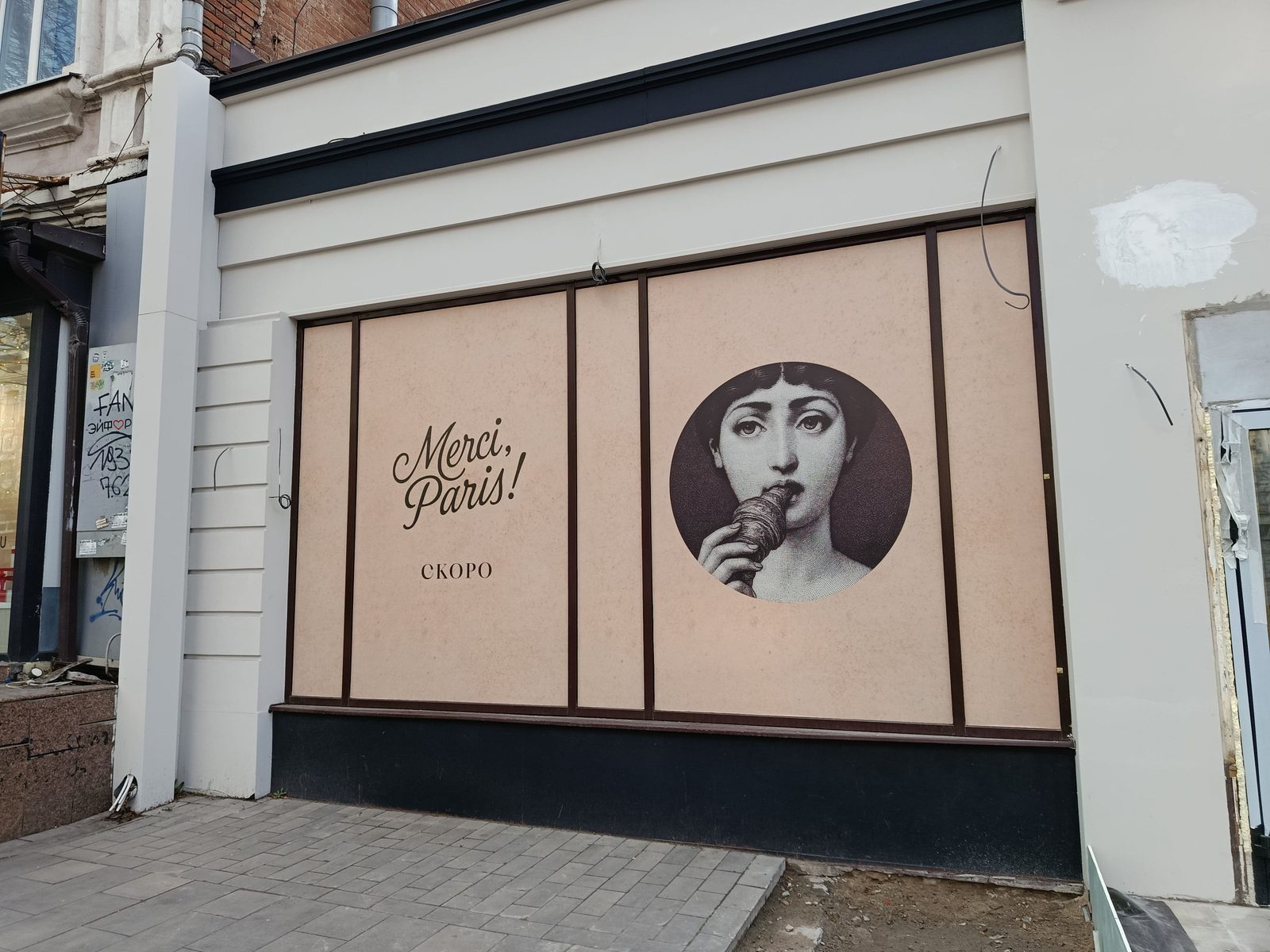
We had our passports translated by a notary (2,200 rubles for the two of us, with a good hour’s wait) and tried to open a Sberbank account to make payments easier. The staff were very kind, but we were missing a SNILS and a Russian SIM card: impossible to see it through. Wandering around Rostov, the center turned out to be very pretty, with superb Christmas decorations. We even found a vegan shop to pick up a few groceries. On the other hand, all the vegan restaurants listed on the online maps had closed since the sanctions: our meals came down to pirozhki and baklava from a small bakery, 250 rubles for two.
The train to Moscow had become too expensive for us (we had almost nothing left after all these ups and downs). The lady at the counter took the time to explain everything and look for solutions. Off to the bus station, where we ended up buying two bus tickets to Moscow (6,300 rubles with the suitcases), leaving a day earlier than planned. To make life simpler, we ate at the hotel restaurant… mistake: bad, expensive, and we got horribly sick. The next day, my wife fell very ill —a terrible migraine, a fever— and I was truly frightened. We tried to reach the medical insurance, but it was complicated; the hotel helped us out with some medicine. The following morning, still in a bad way, she nonetheless found the strength to get to the bus.
Seventeen hours by bus to Moscow
Seventeen hours by bus. My wife managed to sleep despite the discomfort, which let her recover a little. Along the way we passed numerous military convoys heading toward Rostov. Arriving in Moscow, I hadn’t slept a wink, completely wiped out. We took a taxi to the hotel at 4:30 a.m.; our room wasn’t ready yet, we took a more expensive one, and we collapsed with exhaustion around 6 in the morning.
A small detail about Russian hotels in winter: they heat to 30 °C! We were forced to keep the windows open the whole time while it was −10 outside.
Moscow: the scramble for the SNILS, the SIM, and gosuslugi
The next day, while my wife rested, I began the hunt for the SNILS: running from office to office all day only to be told «not possible here, go over there.» Drowning in paperwork. I finally got it on my own, in a tiny office among the apartment blocks, in five minutes! The lady, once again very kind, even complimented me on my Russian.
Then, on to a SIM card at Megafon (6,500 rubles). Except it didn’t work: you first had to create a gosuslugi account, the Russian public-services portal. We get another SIM at Sberbank: that one doesn’t work either. Verdict: non-Russian phones are a problem, I have to buy a new device outright. Another 6,500 rubles. We spent a whole day at the bank, from opening to closing, unable to finish because of a bug in their system. By that point nothing surprised us anymore: just weary resignation.
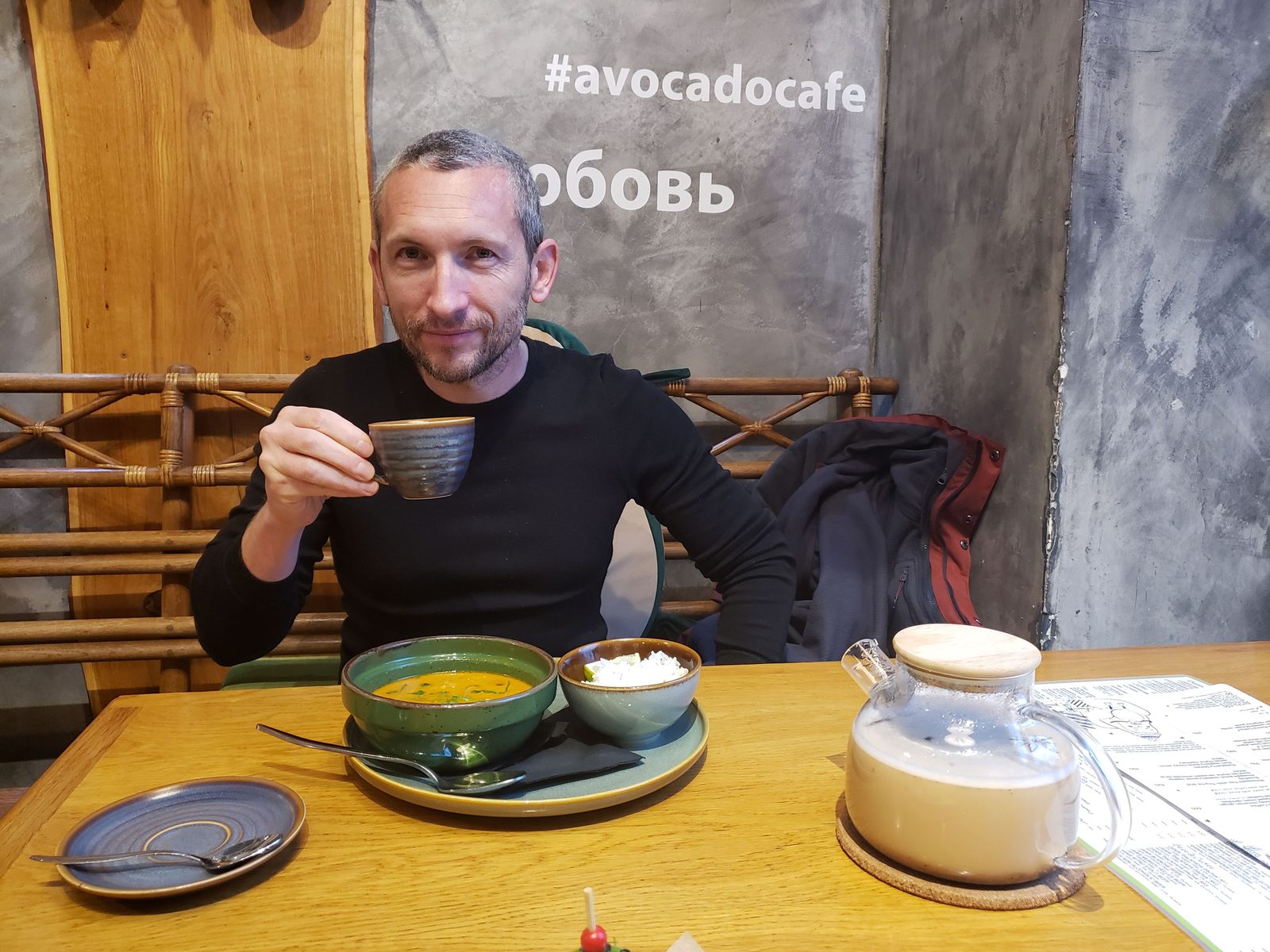
The SIM card finally activated. At last a more or less accurate GPS and, above all, access to Yandex to find… restaurants! And there are plenty. We started at the Avocado, where we spent our last pennies on a good meal: a bit pricey, but a real deliverance.
Irena’s tip: to spare yourself Nicolas’s scramble, sort out your connection before you leave home. An eSIM installed before departure gives you internet the moment you land, without depending on a Russian number or gosuslugi.
Red Square, at last
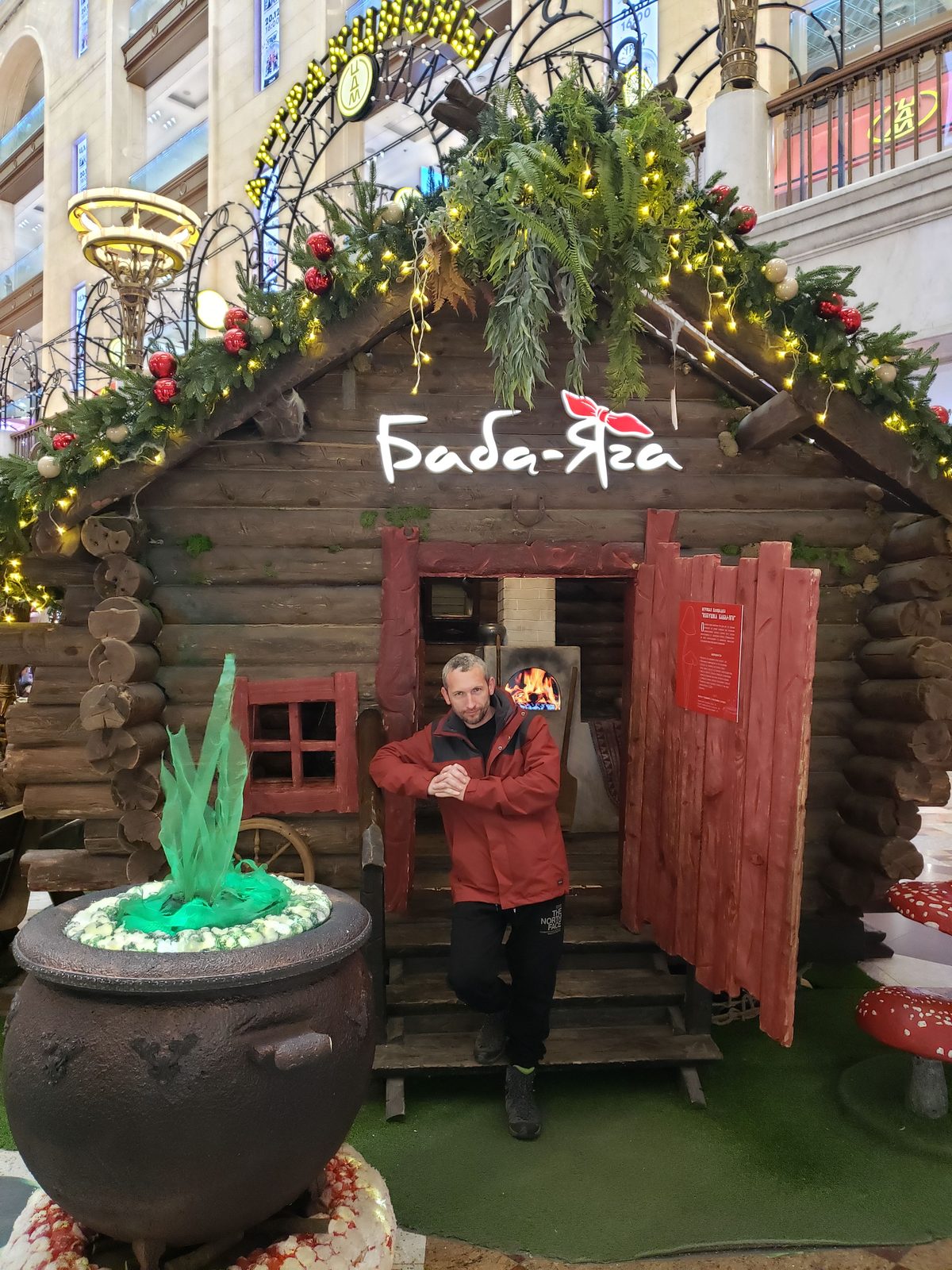
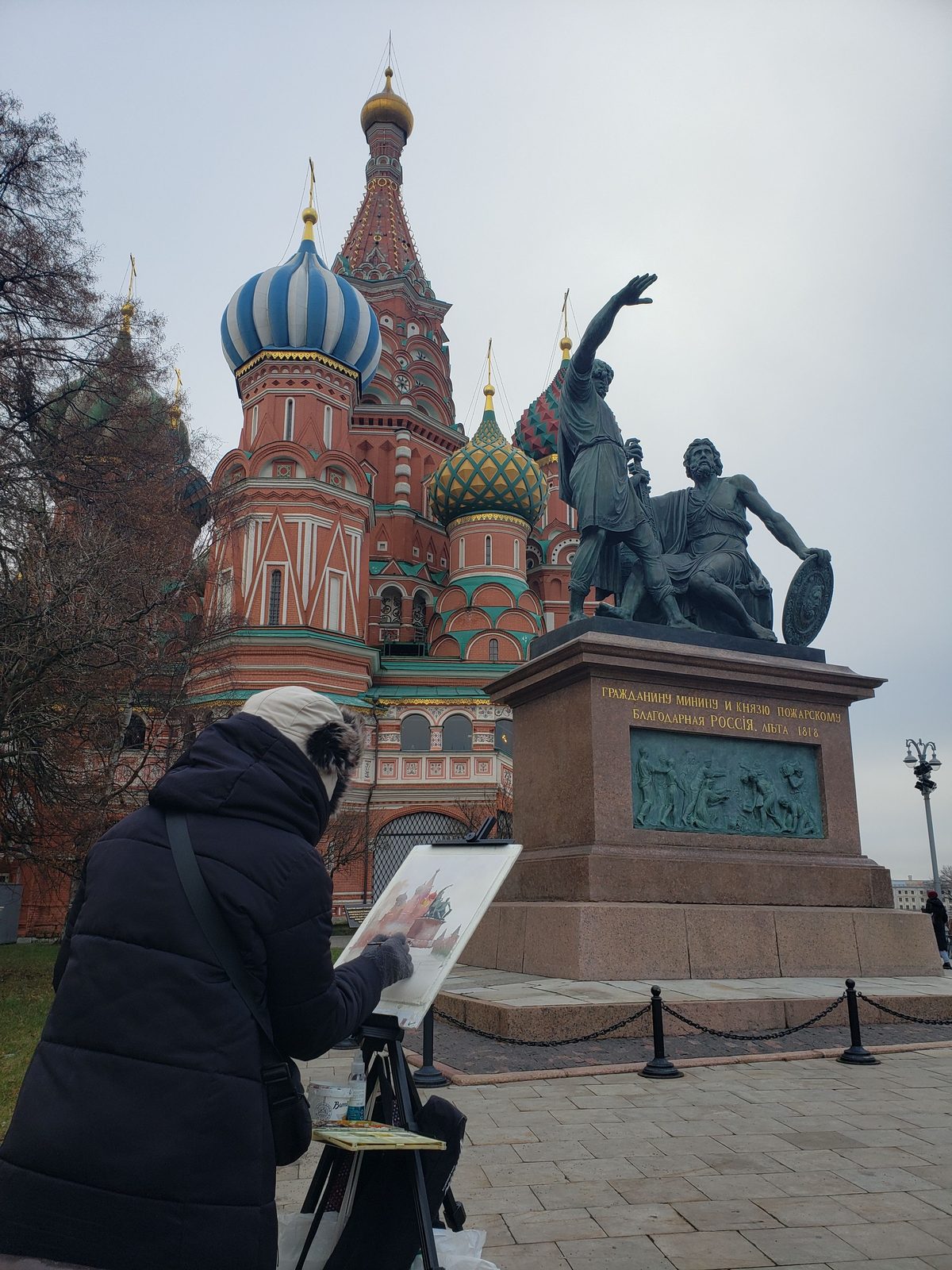
We went out to walk around the center, and there, everything is incredible. Unimaginable decorations; you’d think you were in a fairy tale. Lots of tourists, everything is oversized, immense, clean, and so safe: police absolutely everywhere, with those very distinctive sirens.
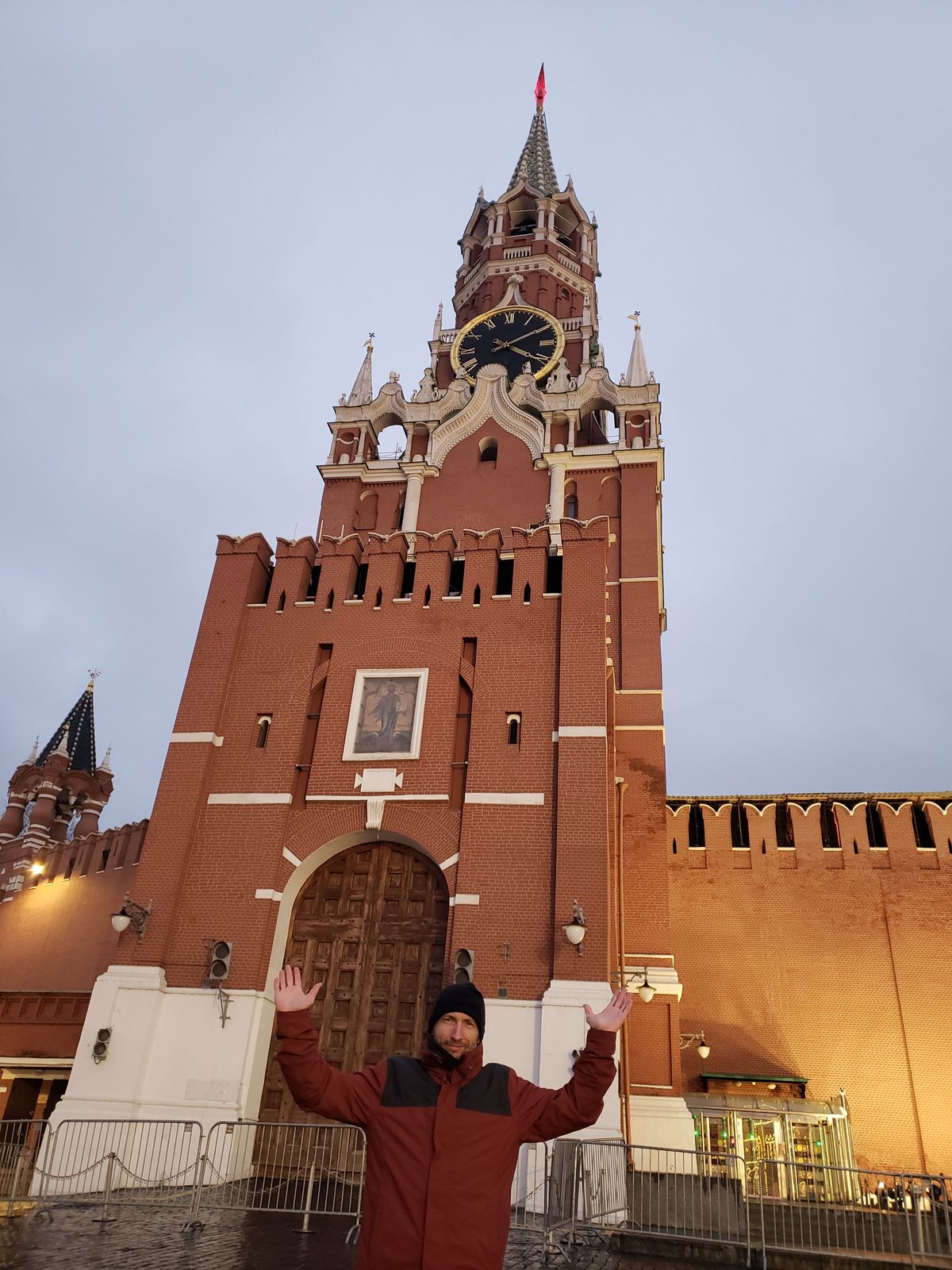
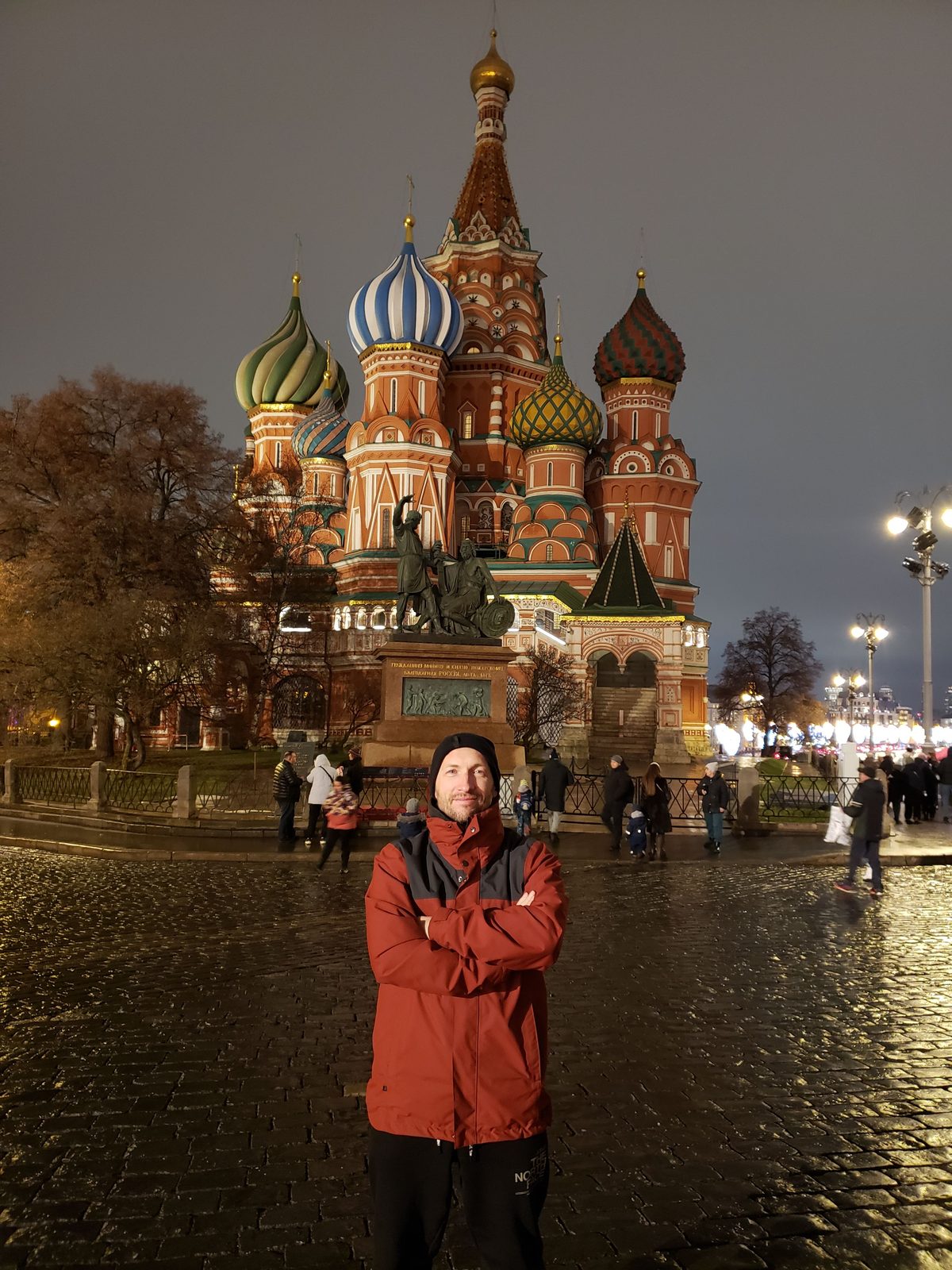
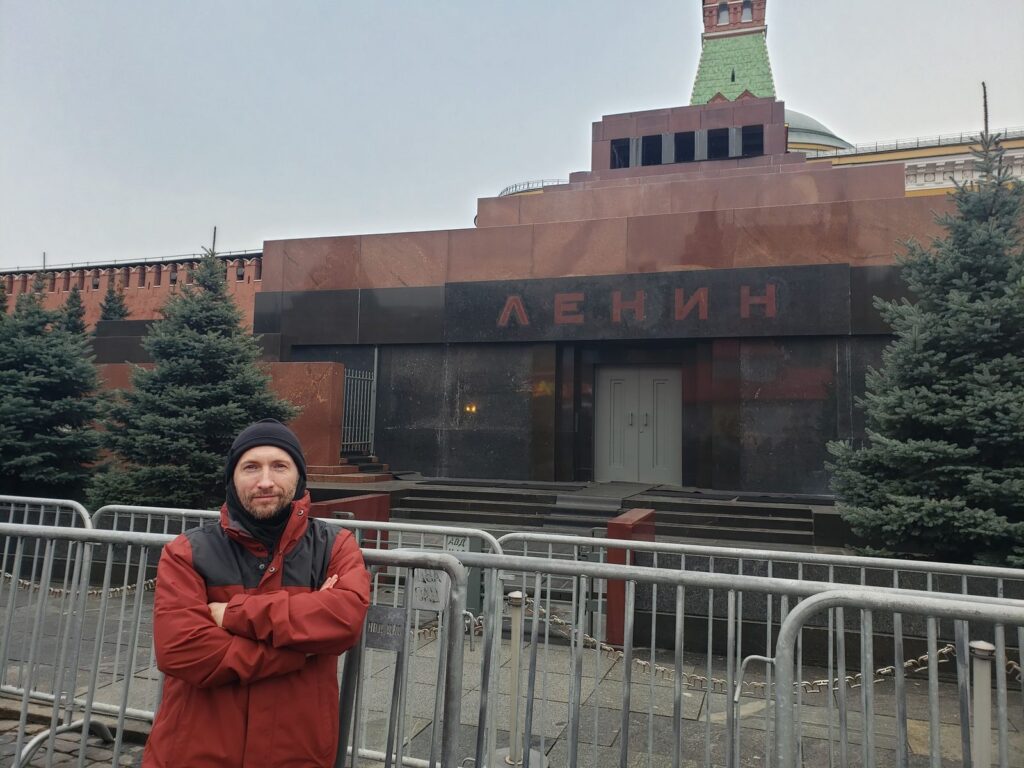
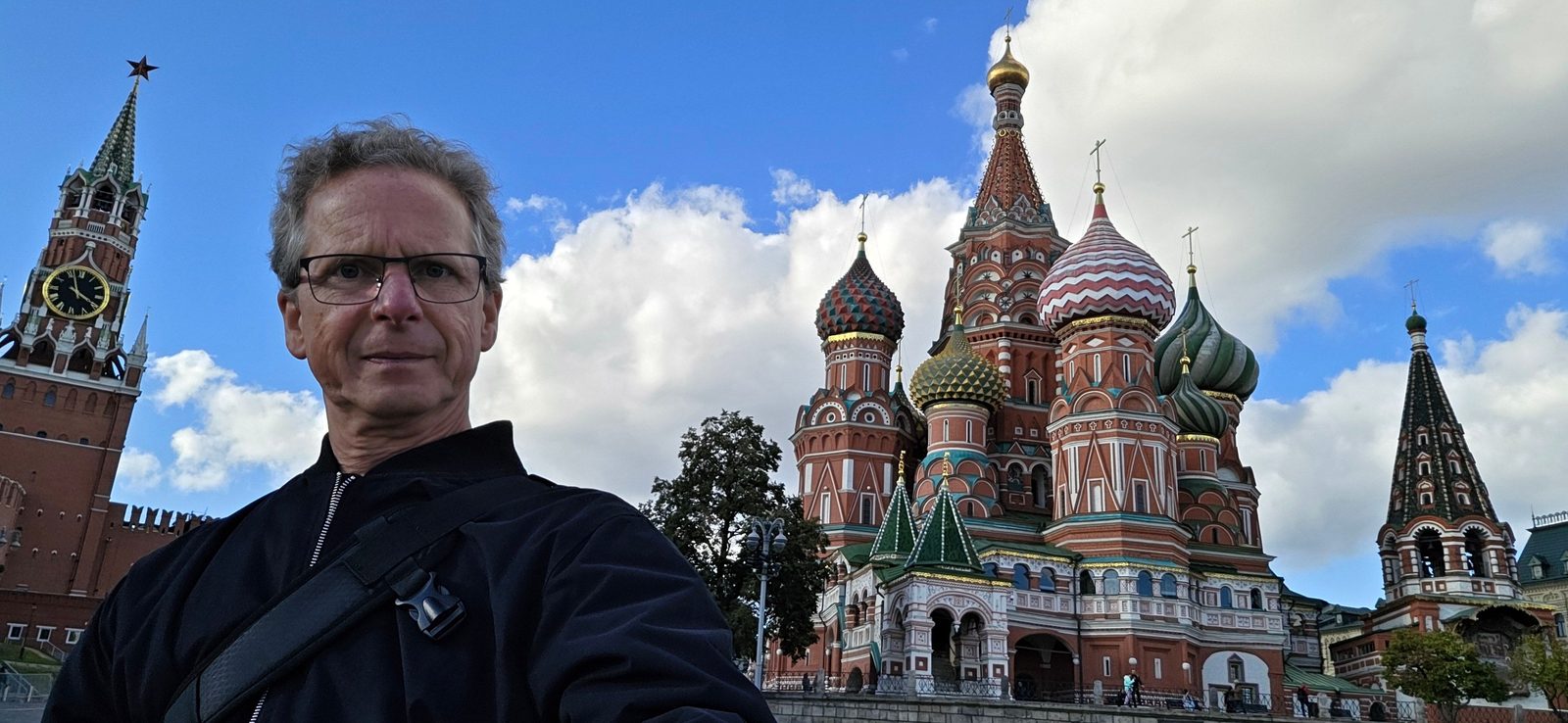
And then you arrive on Red Square. No words are enough to describe such splendor, such grandeur. It’s imposing; you feel centuries of history settle on your shoulders. The most incredible feeling of the whole trip.
The way back, between Istanbul and Paris
We were nearing the end of the stay, without a single ruble in our pockets after all these unexpected expenses. New stress: as on the way out, impossible to go back through Smolensk by train because of the e-visa. In a hurry, we find a Moscow-Istanbul flight, then Istanbul-Paris Orly. We lose all the previous bookings, with no refund. Thanks to our friend, once again, we manage to get the tickets (impossible to pay in euros and we had no rubles left).
In Istanbul, ten hours’ wait between two airports 85 km apart, camping out in a café with a cup of milk tea. Then Paris Orly and, at last, back to La Roche-sur-Yon. In short: what a trip! The craziest, the most thrilling, the most pleasantly surprising, despite the unbroken avalanche of hassles. The only question rattling around in my head: when do we go back?
Have you traveled to Russia recently and want to share your experience? Tell me about your trip here and I’ll publish it in this section, under your name or anonymously, whichever you prefer. Stories like Nicolas’s are the ones that really help people who are planning their own trip.
In This Article
Was this useful? I'll tell you when something changes in Russia
One short email a month with what has changed for travellers (visas, payments, border crossings, apps), based on what readers report to me from Russia. More than 4,000 of us already. No spam: if you ever lose interest, unsubscribing is one click.
Irena DomingoAbout Me
I was born in Russia. I grew up between two worlds: my father was Russian, my mother Spanish — a descendant of the "Children of Russia", the Basque children evacuated to the USSR during the Spanish Civil War. I've worked as a translator, interpreter and Russian teacher for over 30 years, and since 2013 I've been writing this blog to help travellers discover Russia with practical, always up-to-date information. Author of the Russiable Guide. If this blog has helped you plan your trip, you can buy me a coffee ❤️.
 St. Petersburg in Winter via Riga: Etienne’s Chronicle
 St. Petersburg, Moscow and Kislovodsk: Francesco’s Chronicle (and the Four Routes to Enter Russia)
 Five Hours in the Narva Queue: Michael’s Chronicle from St. Petersburg and Moscow