
Narva on Foot and No Safety Net: Leo’s Chronicle from St. Petersburg
 By Irena Domingo
Updated on
In This Article
Leo lives in Lithuania and traveled to Russia in May 2025 with an eVisa, crossing the Narva border on foot and then continuing beyond St. Petersburg to Borovichi, a small town in Novgorod Oblast. His chronicle is one of the most detailed accounts of the Narva queue I’ve published — he literally spent a day doing reconnaissance before crossing — and it ends with the most honest risk assessment any reader has sent me.
If St. Petersburg is on your list, his story pairs well with Iñaki’s chronicle. And if the Narva crossing itself is what worries you, keep reading: this is the ground truth.
What follows is Leo’s story, with his tips and his own photos. I’ve lightly edited his text so it reads smoothly, but everything he tells is his. Thank you, Leo, for sharing it.
| Traveler | Leo, from Lithuania |
| When | May 2025 |
| Visa | Russian eVisa (Lithuanian passport) |
| Entry point | Narva–Ivangorod border, crossed on foot |
| Route | Narva → St. Petersburg → Borovichi (Novgorod Oblast) |
| Getting around | Car ride to St. Petersburg with a fellow traveler; shared minibus (marshrutka) to Borovichi |
| Connectivity | eSIM |
| Money | Cash only — rubles bought in Narva; bank cards unusable |
| Travel style | Solo |
Approximate route of Leo’s trip: Narva (border on foot) → St. Petersburg → Borovichi.
The eVisa, and a bridge that no longer opens
I traveled to Russia in May 2025 on a Lithuanian passport, which made the e-visa process refreshingly simple — approved online with no hassle at all.
I drove to Narva, Estonia, planning to cross by car, but soon discovered the road bridge had been closed for several years. So I left my car in a paid parking compound just past the train station and prepared to cross on foot.
A full day of reconnaissance in Narva
The Narva crossing has a legendary reputation, so I spent a full day doing reconnaissance — talking to locals, absorbing every tip I could. The toilet attendant in the town square opposite the border was an absolute goldmine of information. A woman running a print shop pointed me toward a bakery owner who also had plenty of useful advice. There was a genuine sense of solidarity among locals in Narva, a real willingness to help anyone heading into Russia.
3 am in the queue: how the system really works
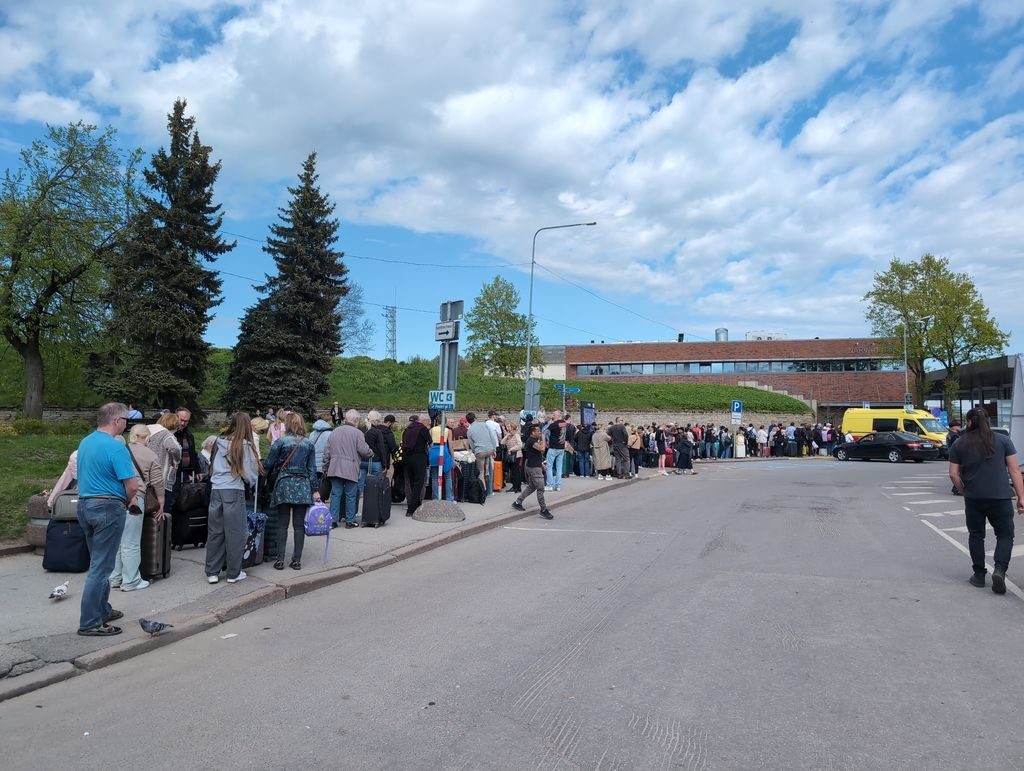
On crossing day, I got up at 3 am and went straight to the border. Even at that hour, the queue was already substantial — maybe 20 people — but I knew it would have been far worse later, especially after the morning bus from Tallinn arrived around 5–6 am. The night before, my apartment host had put me in touch with a girl staying in one of his other properties who also needed to cross. She met me around 5 am to stand in line so I could take a break.
The unofficial queue system is a world unto itself: people keep their own counts, you have to declare how many spots you’re holding, and there even seem to be paid queue-holders. The border officially opened around 7 or 8 am. I waited roughly an hour for my turn, then went in. The Estonian side caused some delays, but the Russian side was remarkably smooth — two bored-looking immigration officers asked the usual questions and waved me through. As a bonus, the girl I’d queued with gave me a lift straight to St. Petersburg in her car, which she’d left parked on the Russian side while visiting family in Europe.
The cash rules: no euros, and rubles bought before crossing
One thing I can’t stress enough: do not carry euro cash when leaving Estonia. I met a man whose father was fined 700 euros for having just 20 euros on him. The rules on the EU side are enforced strictly and without exceptions — don’t give them any excuse. You can bring US dollars, but I wouldn’t recommend it, since you’d then need to exchange them again in Russia. Better to buy rubles in Narva at one of the many money changers. Their rates are terrible, but carrying enough cash is absolutely essential.
St. Petersburg, marshrutkas and Borovichi
Phone connectivity during my trip was handled by an eSIM, though I understand that may no longer be a viable option now. In St. Petersburg, daily life felt surprisingly normal — except my bank cards were useless. Everything was paid either through a hotel booking site or in cash.
Irena’s tip: good news on this front — eSIMs still work in Russia in 2026. See which eSIM I recommend and how to avoid the 24-hour internet block on arrival.
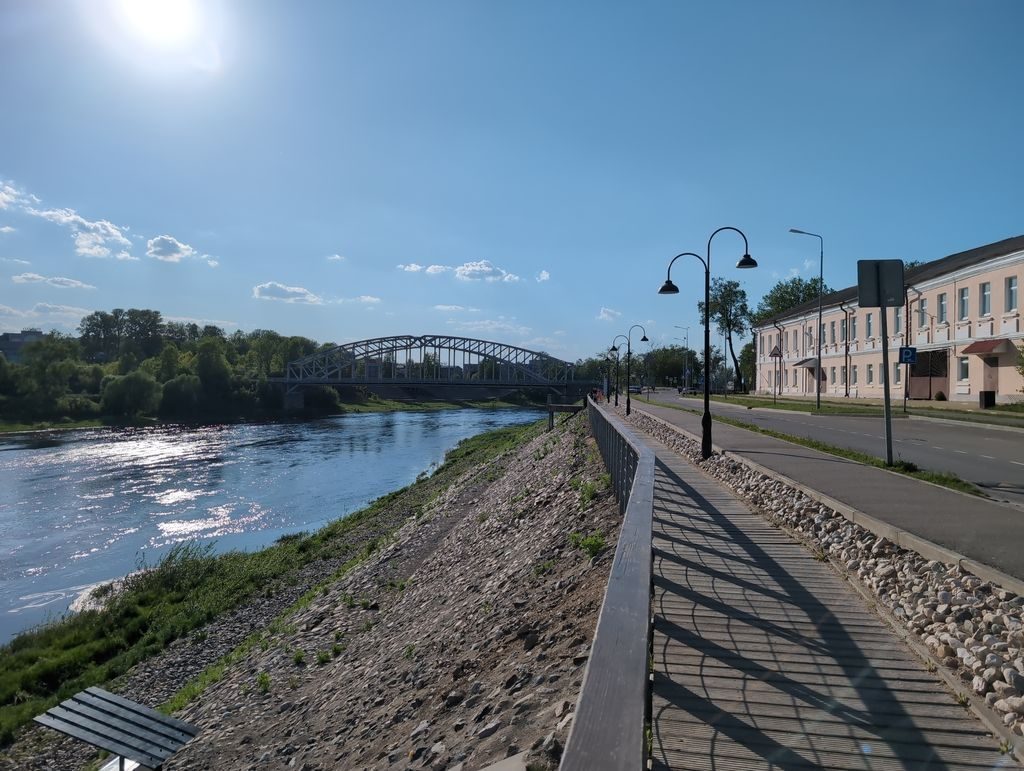
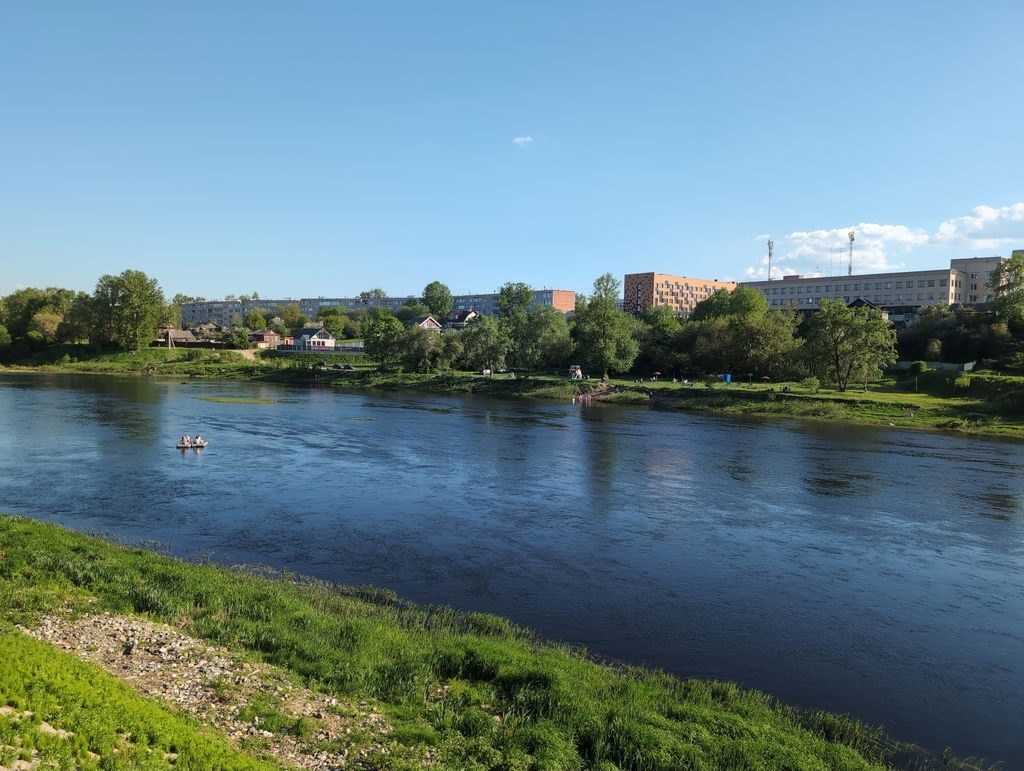
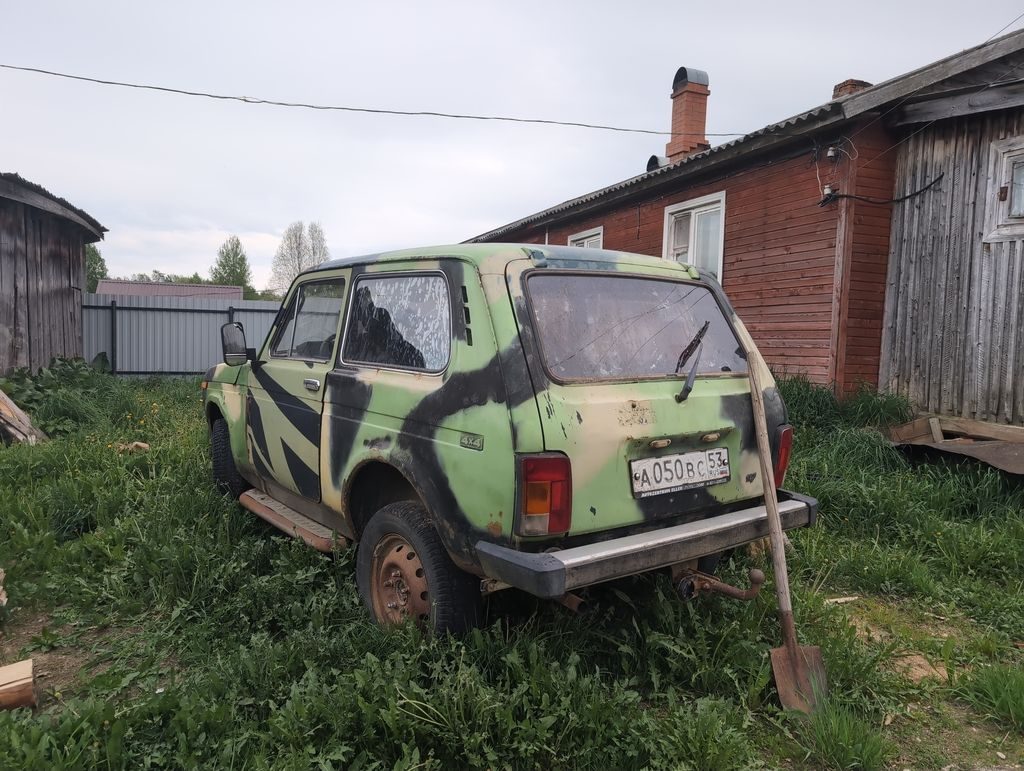
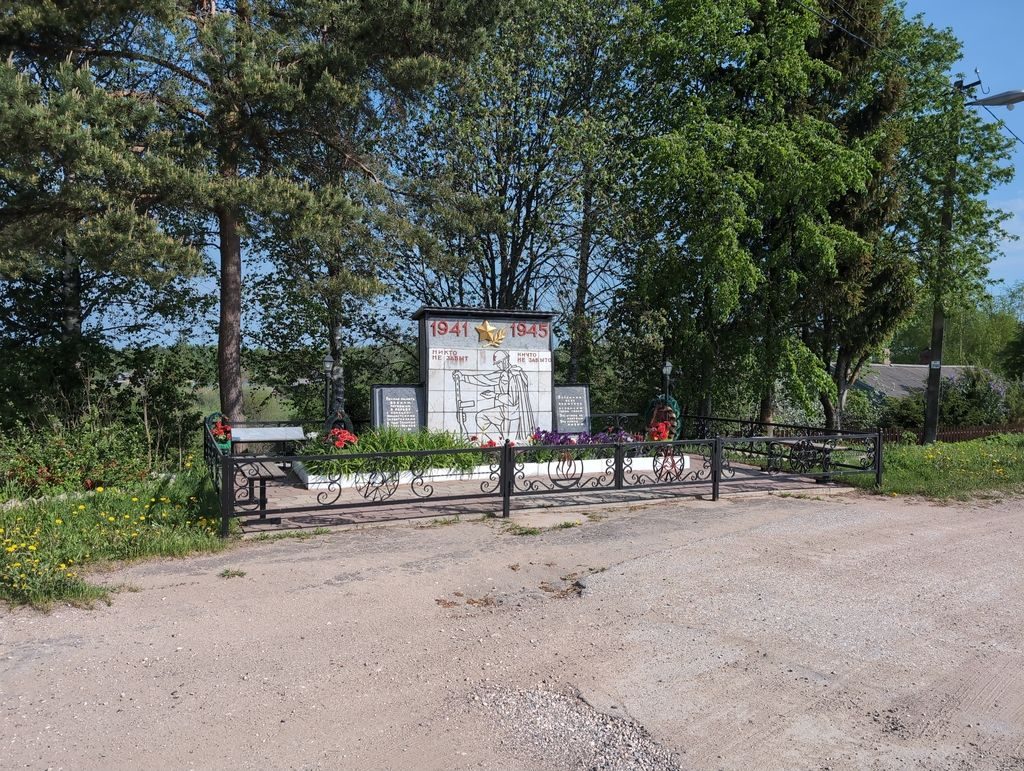
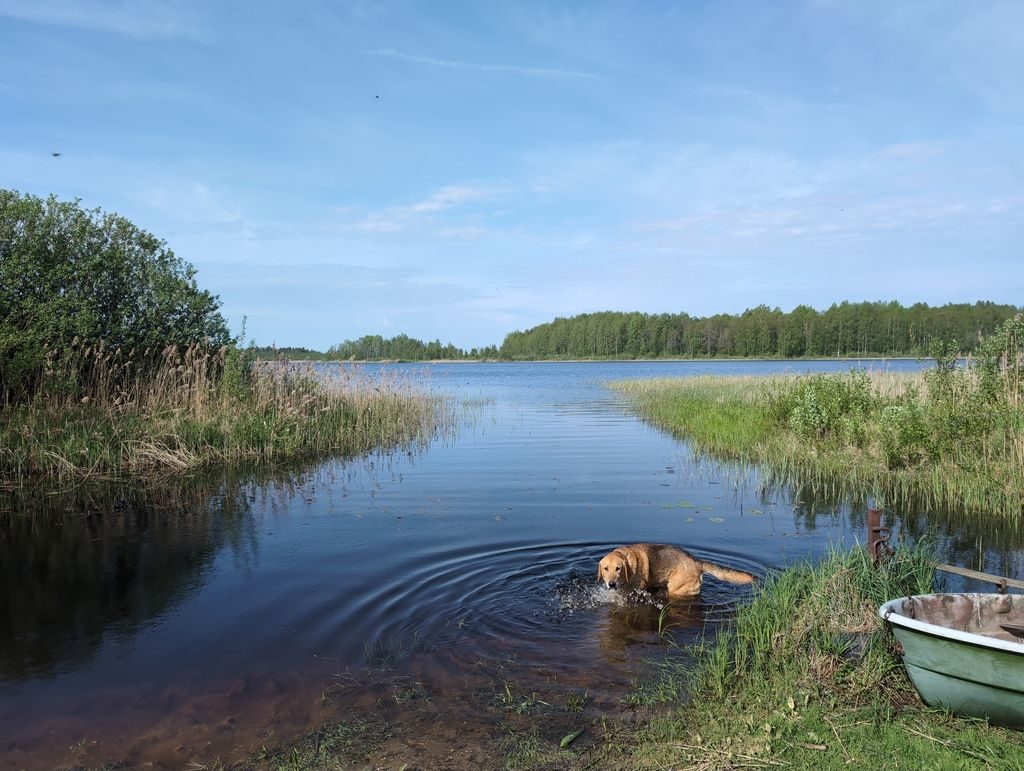
I also traveled by shared long-distance minibus to Borovichi, a small town in Novgorod Oblast, and from there to a village where a friend was living. The transport worked perfectly fine, and I found a lovely hotel in Borovichi right on the river. Small-town and village life, and the transport connections between them, were all genuinely pleasant. But very few people speak English, so some Russian knowledge is fairly essential.
The honest reality: no safety net
Russia is well worth visiting and there’s a lot to see. But for me, it was uncomfortable — not because of the country itself, but because there is simply no safety net. If I got robbed and my cash disappeared, I couldn’t fall back on a card, couldn’t easily get more money into the country. And if a Western passport were lost — then what? Embassies are often closed, DHL and FedEx don’t operate in Russia, and Russian bureaucracy would not care one bit about my situation. Westerners are looked down upon by the Russian bureaucracy, and the system doesn’t even care about unconnected Russians, let alone foreigners.
Traveling solo, I’d say, carries real risk if something goes wrong. But the picture changes entirely if you have a support network inside Russia: a friend to call, a place to stay, someone who can receive cash from outside, or perhaps a contact in an ex-Soviet country like Kazakhstan who could receive a new passport by courier and forward it onward. That kind of safety net would transform the experience completely.
Have you traveled to Russia recently and want to share your experience? Tell me about your trip here and I’ll publish it in this section, with your name or anonymously, whichever you prefer. Honest stories like Leo’s are exactly what helps people prepare properly. You can also ask questions in the Russiable forum.
In This Article
Was this useful? I'll tell you when something changes in Russia
One short email a month with what has changed for travellers (visas, payments, border crossings, apps), based on what readers report to me from Russia. More than 4,000 of us already. No spam: if you ever lose interest, unsubscribing is one click.
Irena DomingoAbout Me
I was born in Russia. I grew up between two worlds: my father was Russian, my mother Spanish — a descendant of the "Children of Russia", the Basque children evacuated to the USSR during the Spanish Civil War. I've worked as a translator, interpreter and Russian teacher for over 30 years, and since 2013 I've been writing this blog to help travellers discover Russia with practical, always up-to-date information. Author of the Russiable Guide. If this blog has helped you plan your trip, you can buy me a coffee ❤️.
 Moscow and St. Petersburg with Guides: Catherine’s Chronicle
 Moscow, Suzdal and Vladimir: Fran’s Practical Chronicle
 Driving to Russia in the Dead of Winter: Miki’s Chronicle (from Girona to Sarapul)