
St. Petersburg and Moscow on Your Own: Iñaki’s Chronicle
 By Irena Domingo
Updated on
In This Article
I’m carrying on with the traveler chronicles. Today it’s Iñaki’s turn — a reader from Bilbao, in Spain, who in June 2026 traveled with his partner to St. Petersburg and Moscow on an eVisa. His account is one of the most practical I’ve received: he explains step by step how he sorted out the eSIM, the hotels, the train between the two cities, the Russian card and — most interesting of all — how they managed to send themselves money when they ran short of cash.
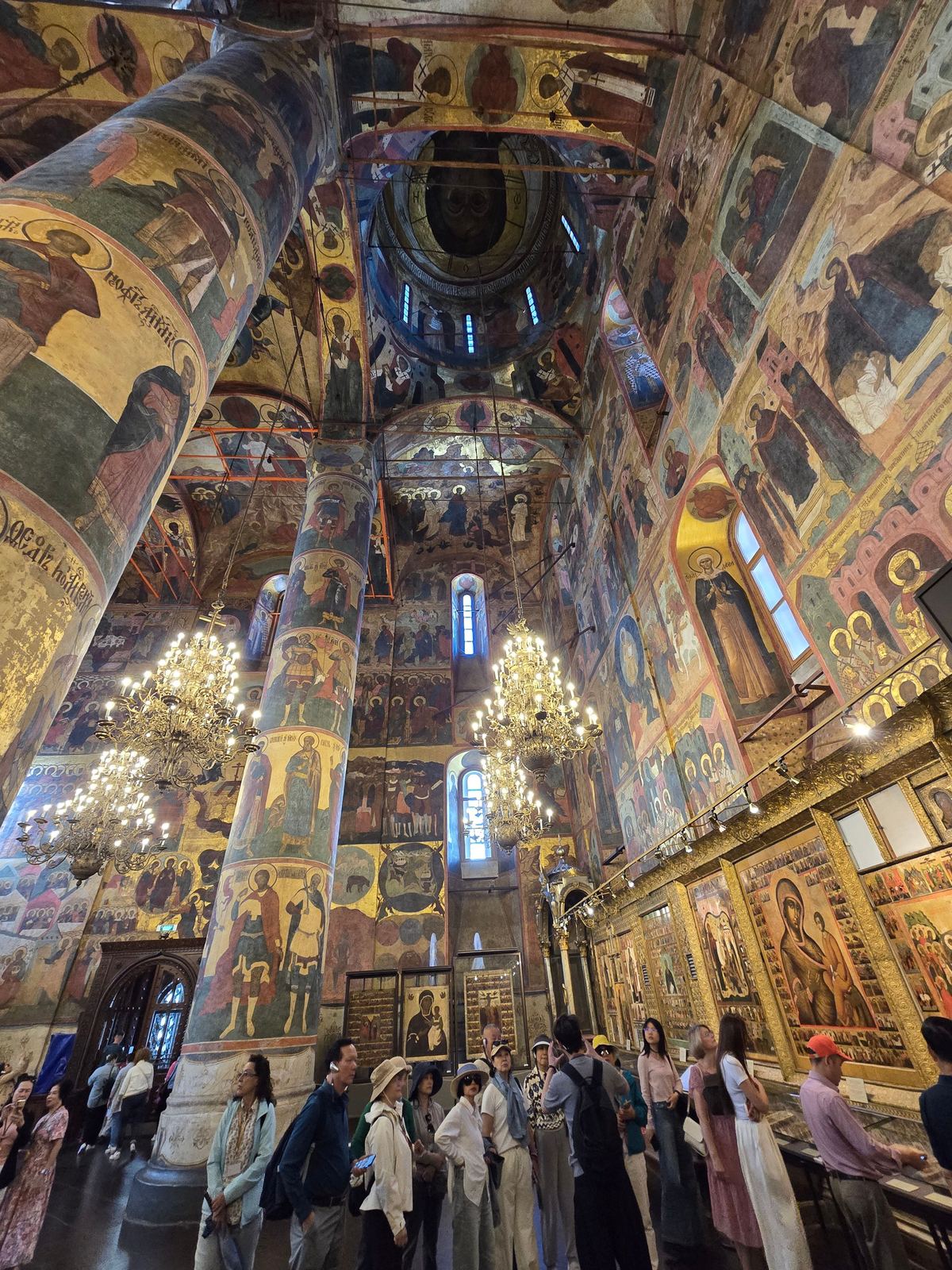
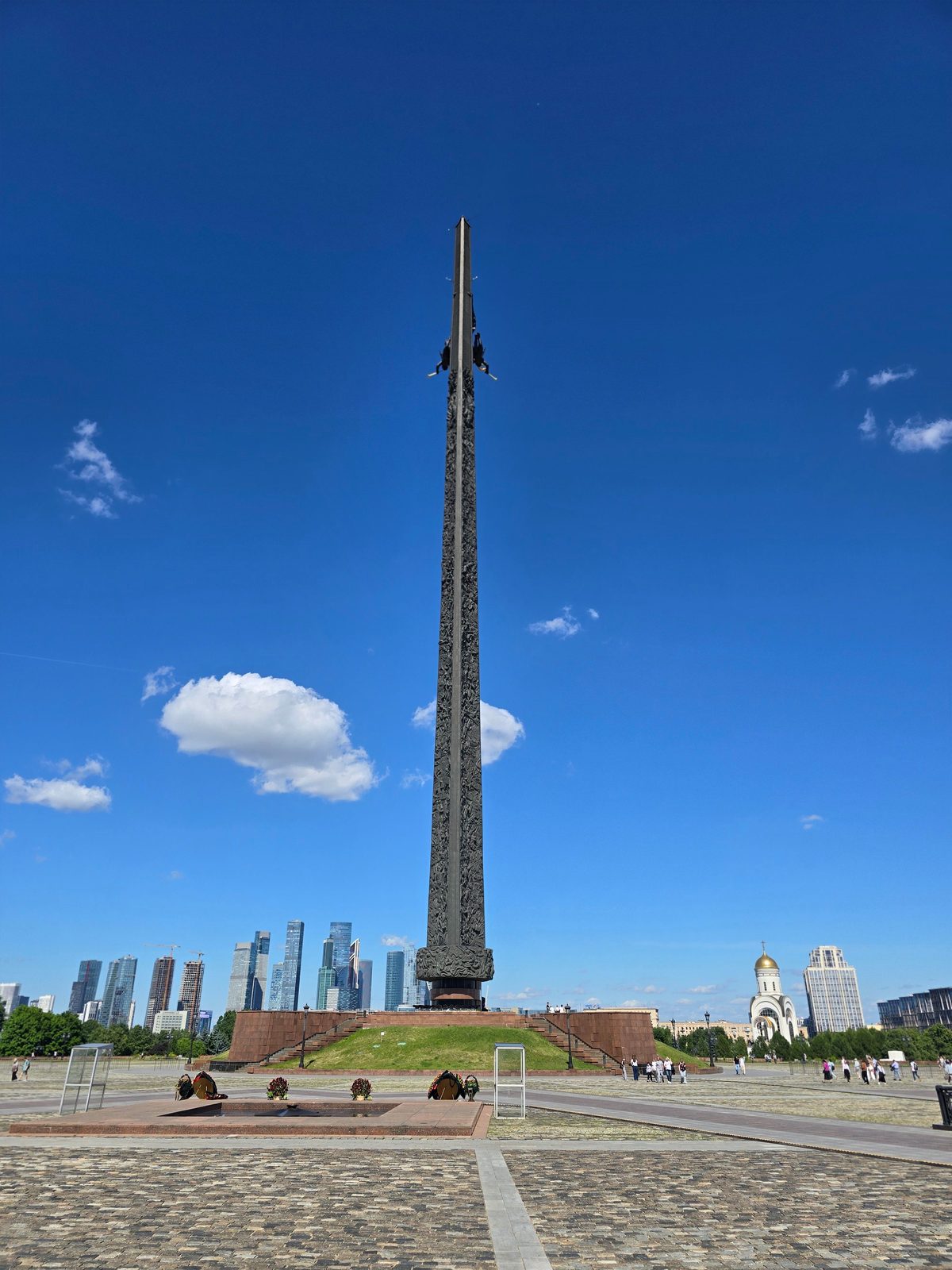
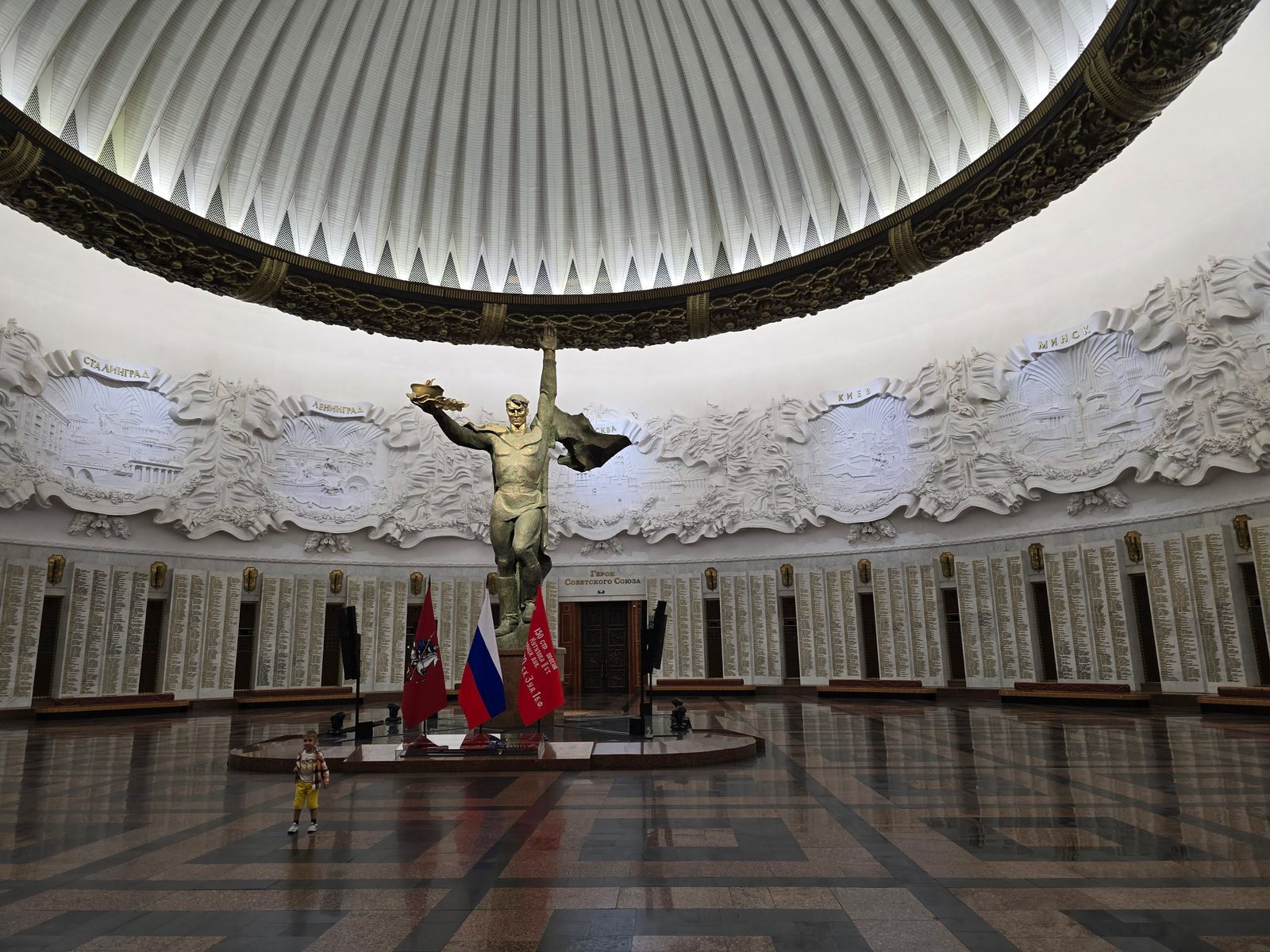
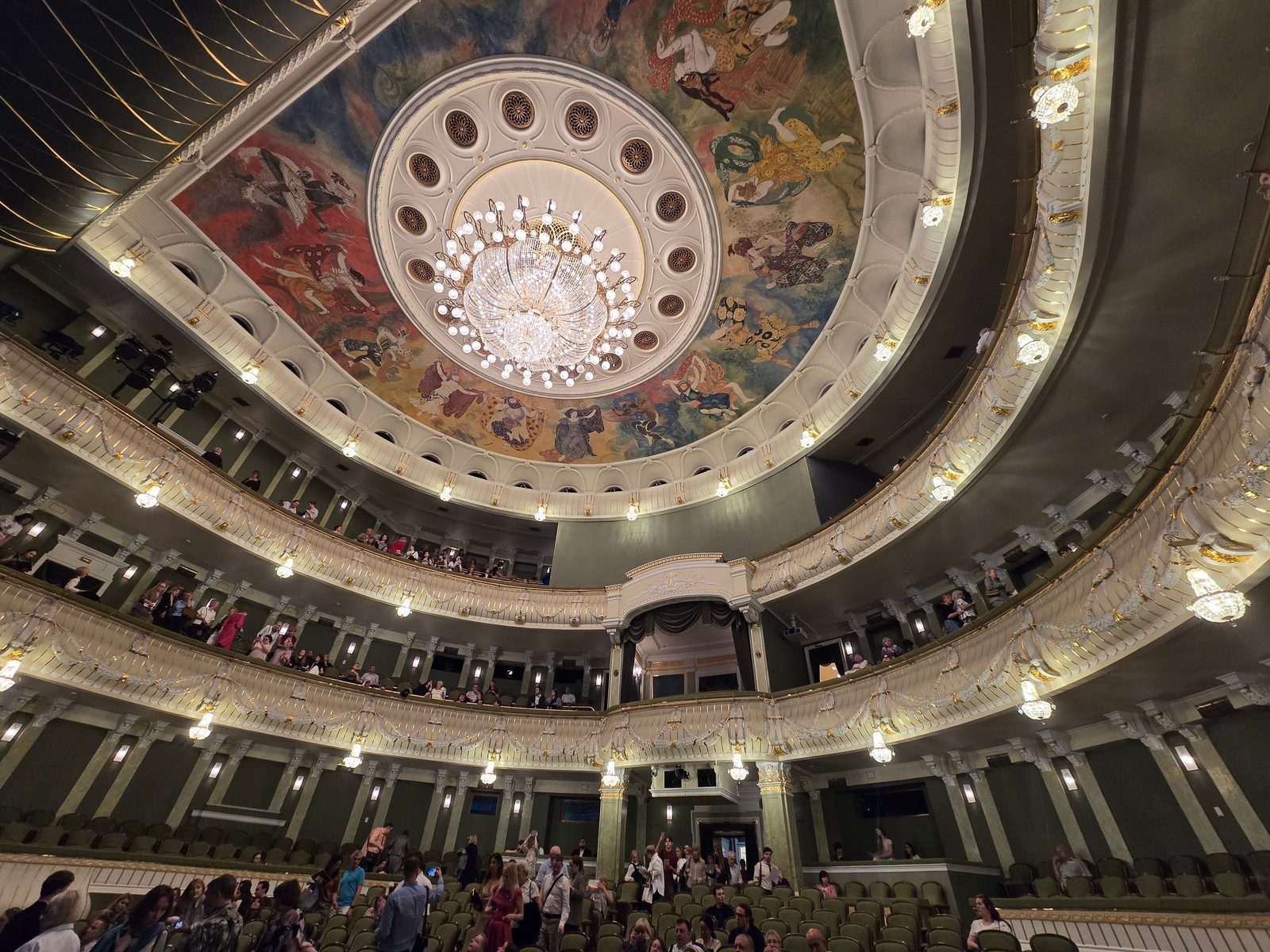
What follows is Iñaki’s account, with his own tips and photos. Thanks, Iñaki, for sharing it.
How we got in: eVisa in 4 days and a Pegasus flight via Istanbul
We made the trip on the eVisa, which we got in 4 days without any trouble. The two of us flew with Pegasus Airlines from Bilbao to St. Petersburg, with a layover in Istanbul. The flight went smoothly.
Irena’s note: if you don’t have the electronic visa yet, I explain how to apply for it step by step in the Russian eVisa guide.
The Yesim eSIM, ready almost as we landed
Before the trip we bought the Yesim eSIM. We were able to activate it practically as we landed, following the link we received by SMS with the instructions included in the guide.
Irena’s note: this is the Yesim eSIM that Iñaki uses, and here’s the comparison of eSIMs that work in Russia in case you want to see all the options.
Hotels with Ostrovok: the card didn’t go through, we paid in cash
We made our hotel bookings in St. Petersburg and Moscow through Ostrovok. We couldn’t complete the card payment after several attempts, so we had to book with the pay-in-cash option.
By train from St. Petersburg to Moscow
We handled the train journey between St. Petersburg and Moscow with Russiantrain. The experience was excellent: we bought the tickets online, received them straight away in electronic format and boarded the train without any trouble.
Irena’s note: I explain how to buy tickets from abroad in the guide on how to buy train tickets in Russia despite the sanctions.
The T-Bank card (and a Russian SIM) at the airport
For the T-Bank debit card, we’d initially arranged to meet a representative at the hotel, but he didn’t show up (probably due to some error in the application). In the end we decided to head to the airport, where we managed to get the card without any problem, though after more than a two-hour wait. There they also gave us an associated Russian SIM.
Running short of cash: sending ourselves money with SendNOW and the VPN hassle
As for money, we’d brought quite a bit of cash for hotels and expenses, but it turned out not to be enough. We used the SendNOW app to send ourselves money, and this may be one of the biggest inconveniences of the trip.
In my case, I use ProtonVPN and have Tailscale set up at home. SendNOW only worked with a VPN, but ProtonVPN failed at times. Tailscale worked better, though sometimes the internet connection was limited to Russian services (like Yandex Go), which made transfers difficult. Despite these problems, we managed to carry out all the operations we needed. These interruptions were probably down to the drone attacks that took place in St. Petersburg and Moscow during those days.
Safety and atmosphere: complete normality
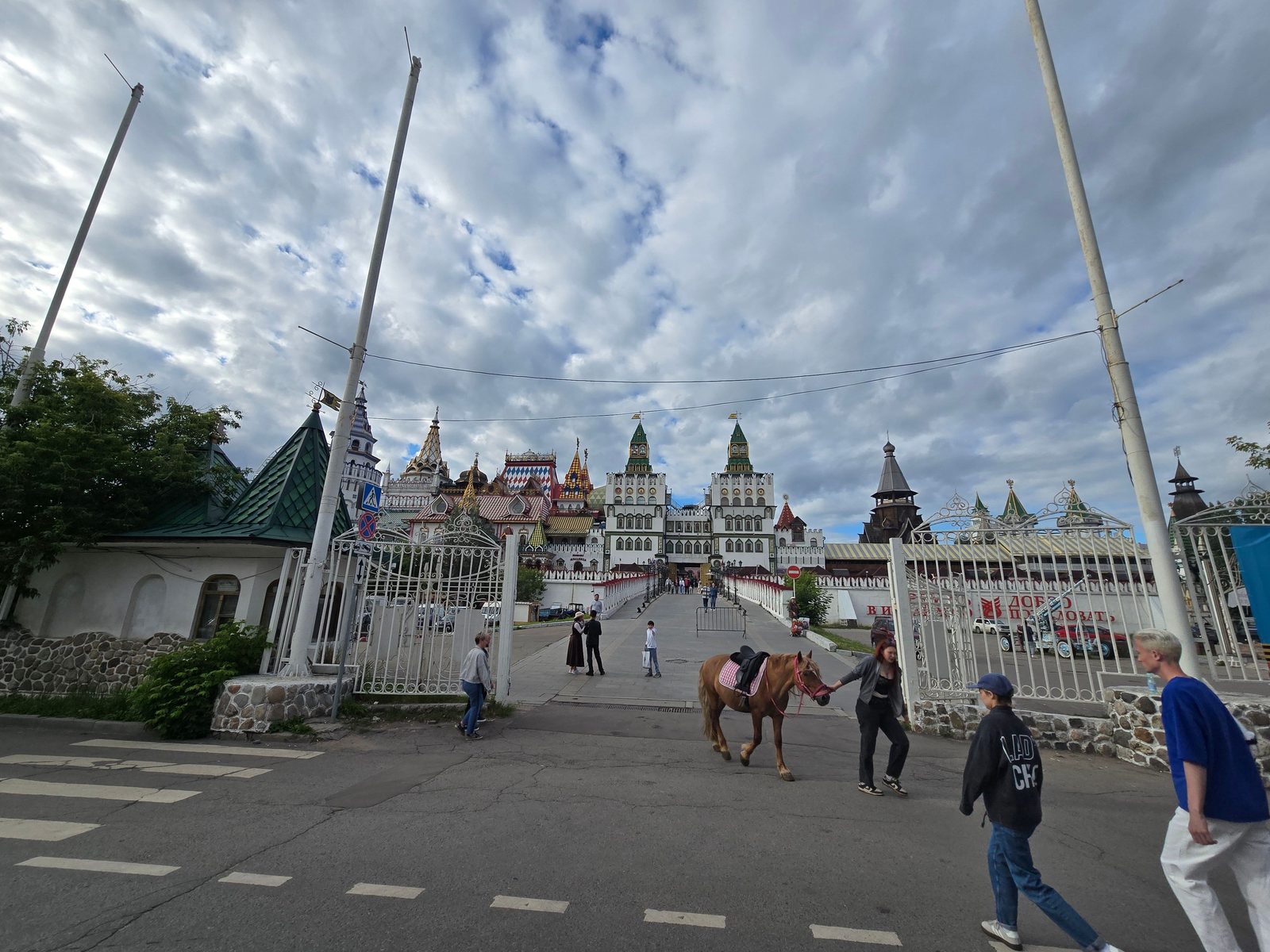
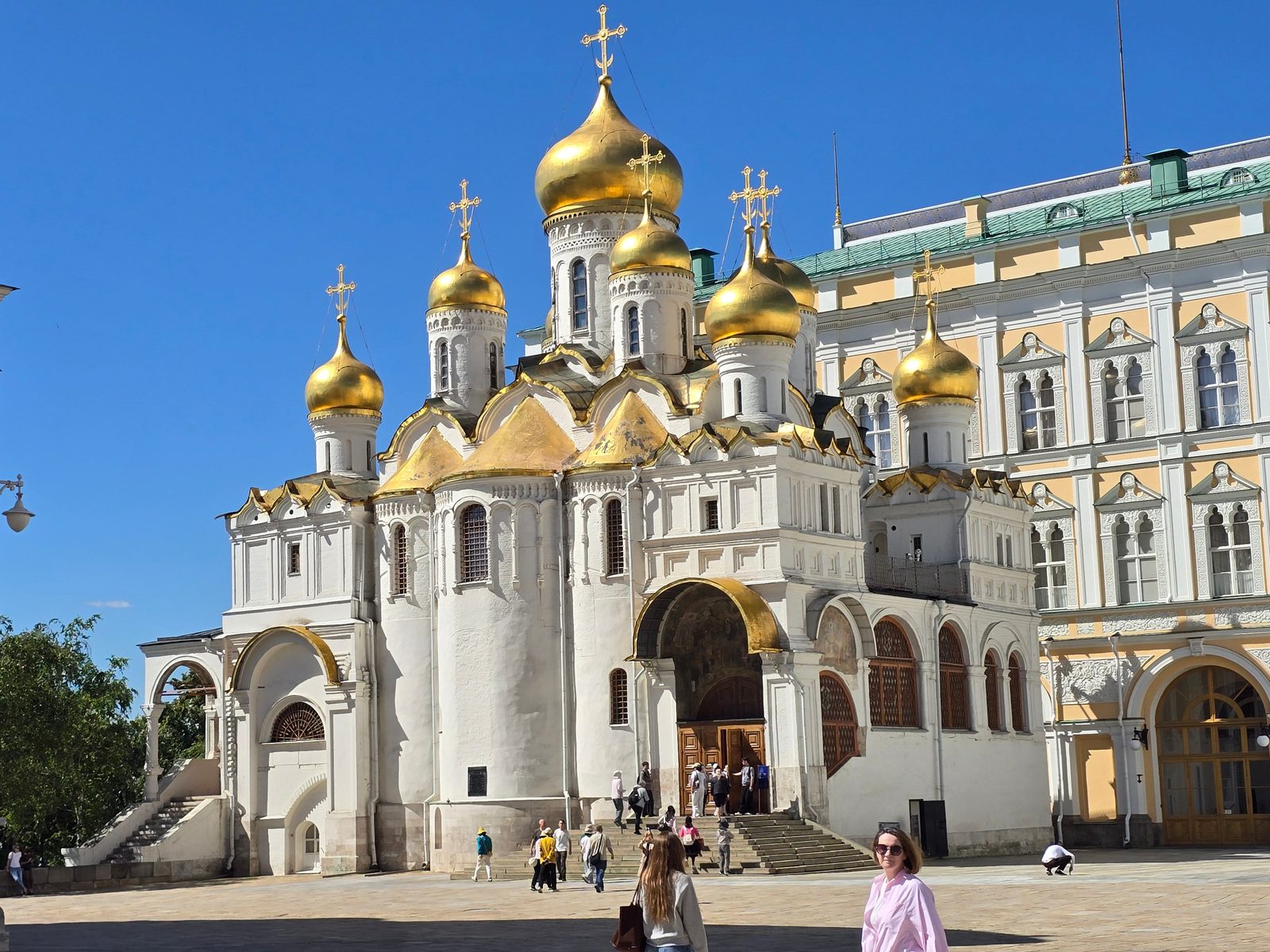
From a safety and tourism point of view, we had no problems at all. We were able to visit everything we wanted and the overall feeling was one of complete normality and safety. There was no European tourism to speak of, but there was a notable presence of visitors from China, Vietnam and India.
What I take away from Iñaki’s chronicle
That’s Iñaki’s account. I’m left with a handful of very concrete tips: buy the eSIM before you leave so it’s ready when you land; when booking on Ostrovok, count on the pay-in-cash option in case the card doesn’t go through; the train between St. Petersburg and Moscow is bought online with no complications; the T-Bank card can be picked up at the airport itself (with patience, because there’s a wait); and bring plenty of cash, but have a plan B ready to send yourself money — with a VPN — in case you come up short. And one idea that comes up in almost every chronicle: the feeling on the ground is one of complete normality and safety.
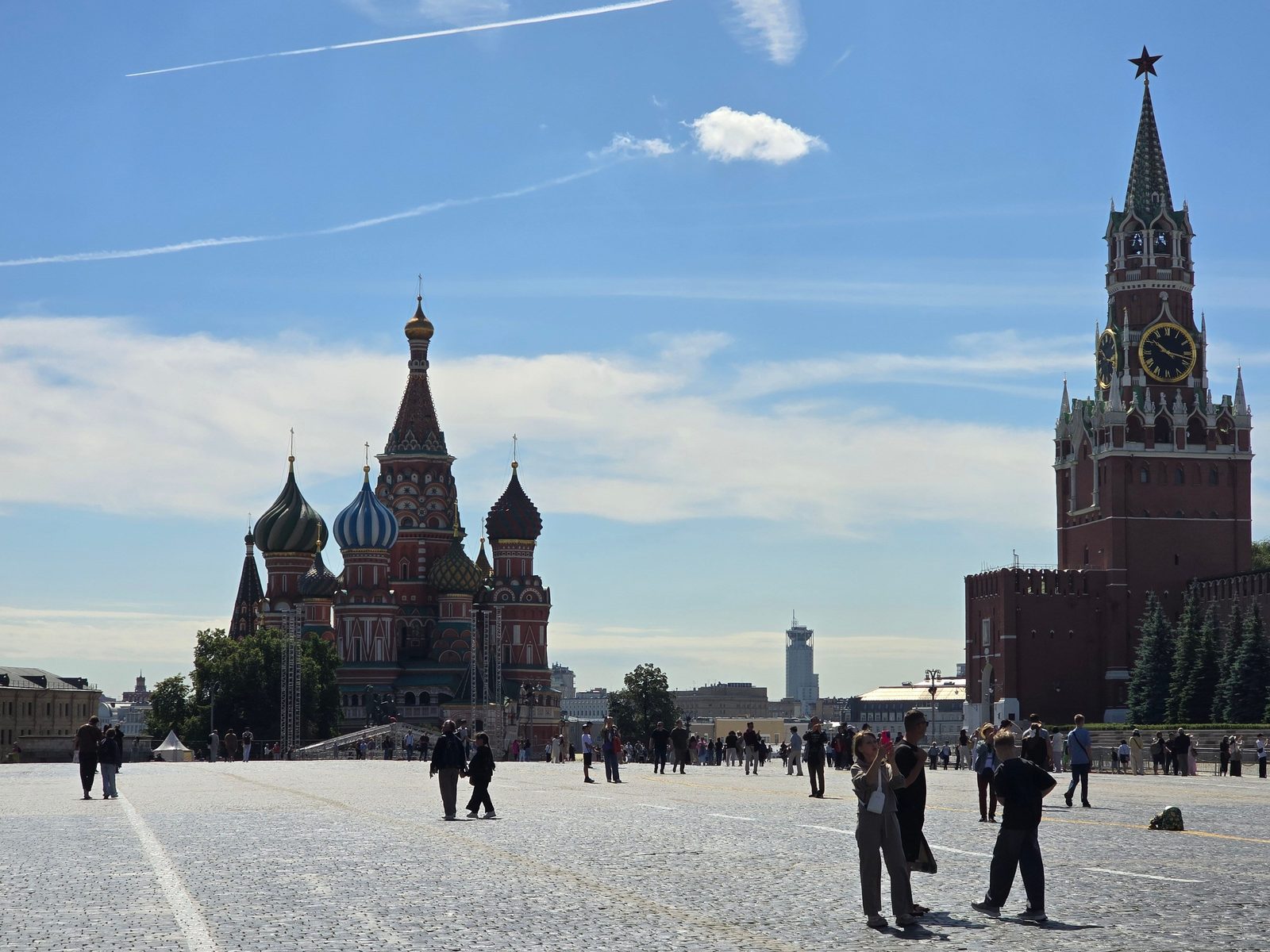
Have you traveled to Russia recently and want to share your experience? Write to me with your account and your photos and I’ll publish it in this section, under your name or anonymously, whichever you prefer. Accounts like Iñaki’s are the ones that really help people who are planning their trip.
In This Article
Was this useful? I'll tell you when something changes in Russia
One short email a month with what has changed for travellers (visas, payments, border crossings, apps), based on what readers report to me from Russia. More than 4,000 of us already. No spam: if you ever lose interest, unsubscribing is one click.
Irena DomingoAbout Me
I was born in Russia. I grew up between two worlds: my father was Russian, my mother Spanish — a descendant of the "Children of Russia", the Basque children evacuated to the USSR during the Spanish Civil War. I've worked as a translator, interpreter and Russian teacher for over 30 years, and since 2013 I've been writing this blog to help travellers discover Russia with practical, always up-to-date information. Author of the Russiable Guide. If this blog has helped you plan your trip, you can buy me a coffee ❤️.
 Yekaterinburg Solo: Iñigo’s Chronicle from the Heart of the Urals
 «Half my euros were refused»: 3 weeks on the Trans-Siberian, Philippe’s story
 Upper Lars, Kazakhstan and Mongolia by Car: Marko’s Chronicle