
By Campervan from Latvia into Russia, Part 3: St Petersburg and Out via Koidula. Jeroen’s Chronicle
 By Irena DomingoUpdated on 7 min read
In this article
Jeroen lives in Sliedrecht, in the Netherlands, and in September 2026 he drove his own campervan to Moscow and St Petersburg on an electronic visa. In part 1 he told how it took him nine hours to cross the border from Latvia into Russia, and in part 2 how he got lost in Moscow and was helped out by the Russians. This is the third and last part: the toll road to St Petersburg, Aurora campsite, the Hermitage, the Church on Spilled Blood, the Peter and Paul Fortress, the vodka museum and the border with Estonia at Koidula.
What follows is Jeroen’s own account, with his words and his photos. Thank you, Jeroen!
The trip at a glance
| Traveller | Jeroen, from Sliedrecht (the Netherlands) |
| When | September 2026 |
| Visa | eVisa |
| Transport | His own campervan |
| In this part | From Moscow to St Petersburg (about 700 km on the toll road) and back to the EU through Estonia |
| Tolls | About 9,000 roubles for his campervan between Moscow and St Petersburg, paid in roubles and euros; the road to Koidula is toll-free, but just before the border he still paid 300 or 500 roubles |
| Where he stayed | Aurora campsite, the only campsite in St Petersburg |
| Money | Cash: dollars, euros and roubles; he couldn’t pay by card |
| Border | Kunichina Gora–Koidula, from Russia into Estonia, in under 3 hours; the crossing closed at 7 pm |
On the road to St Petersburg
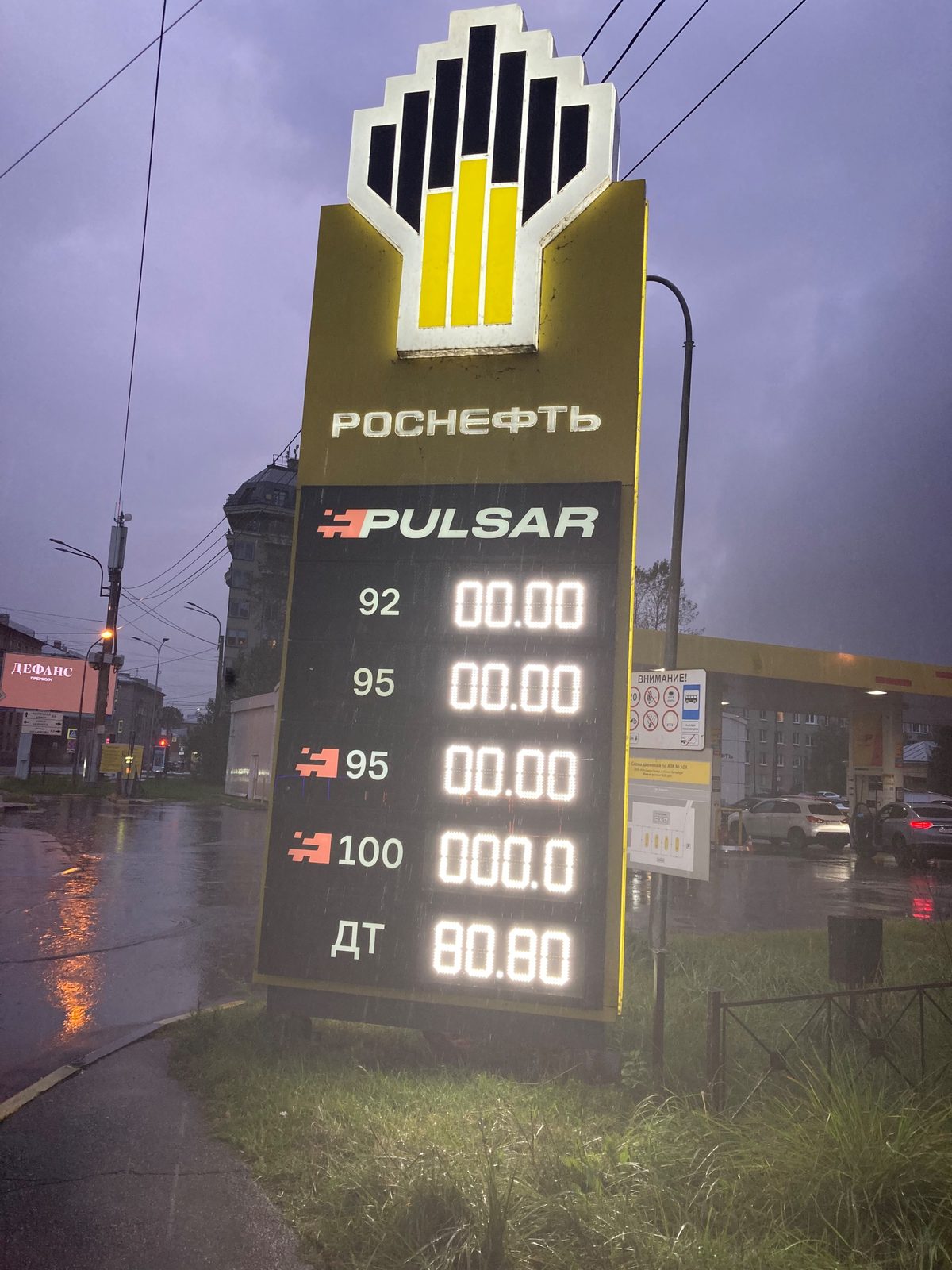
After two full days of being overwhelmed by the splendour and the friendliness of the city, I decide to start my journey home via St Petersburg, around 700 km of driving. I still have no idea what’s in store for me, but I’ve ‘only’ brought $800 and a few hundred euros, and I’d really like to avoid running out of money. Petrol has all but run out in most places and is being rationed; luckily I drive on diesel, which is available almost everywhere.
A 9,000-rouble toll, and no bank card
There’s a toll road between Moscow and St Petersburg (although you can partly avoid it), and I’d read somewhere that a single trip costs about $30 (2,500 roubles).
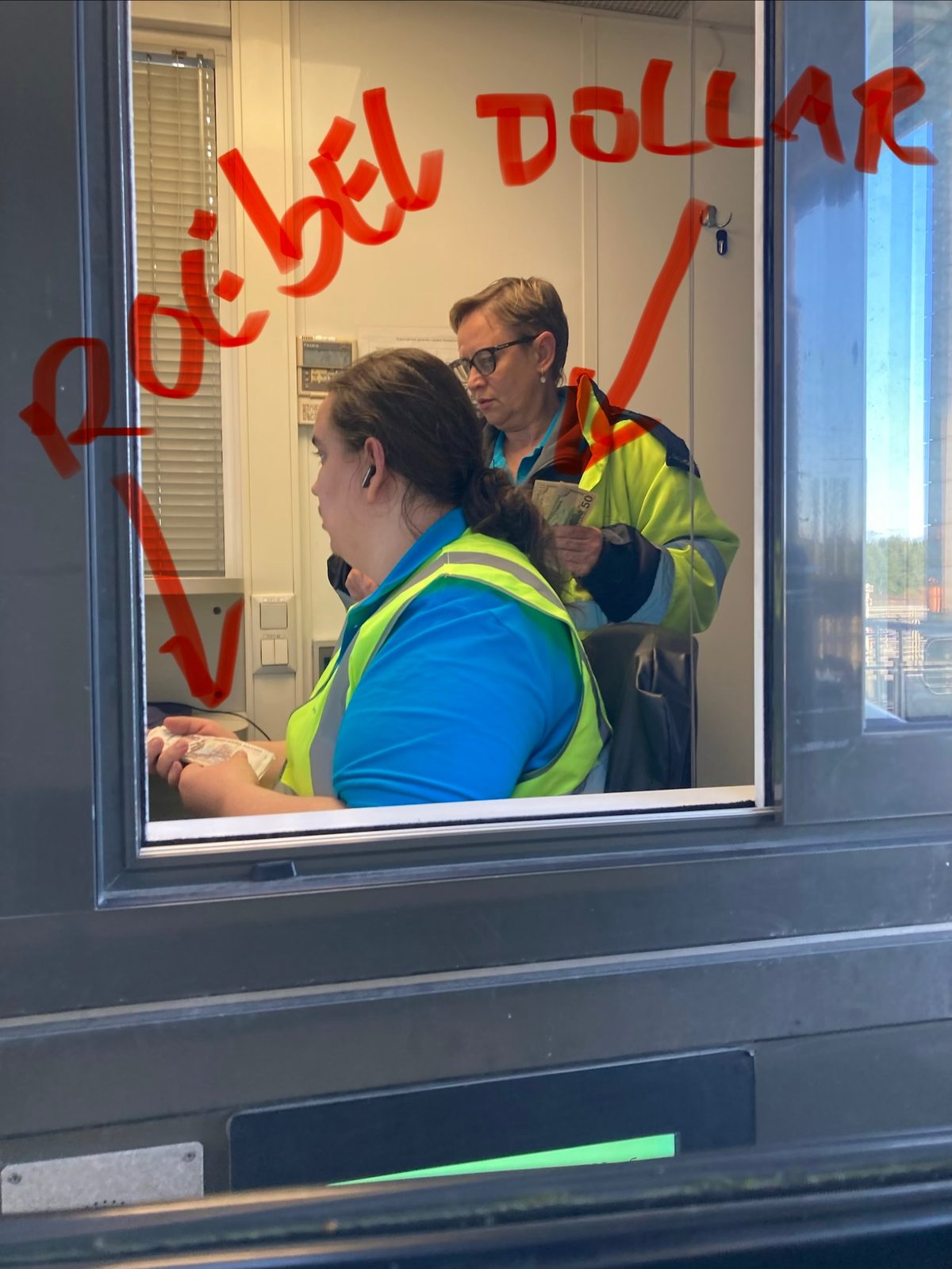
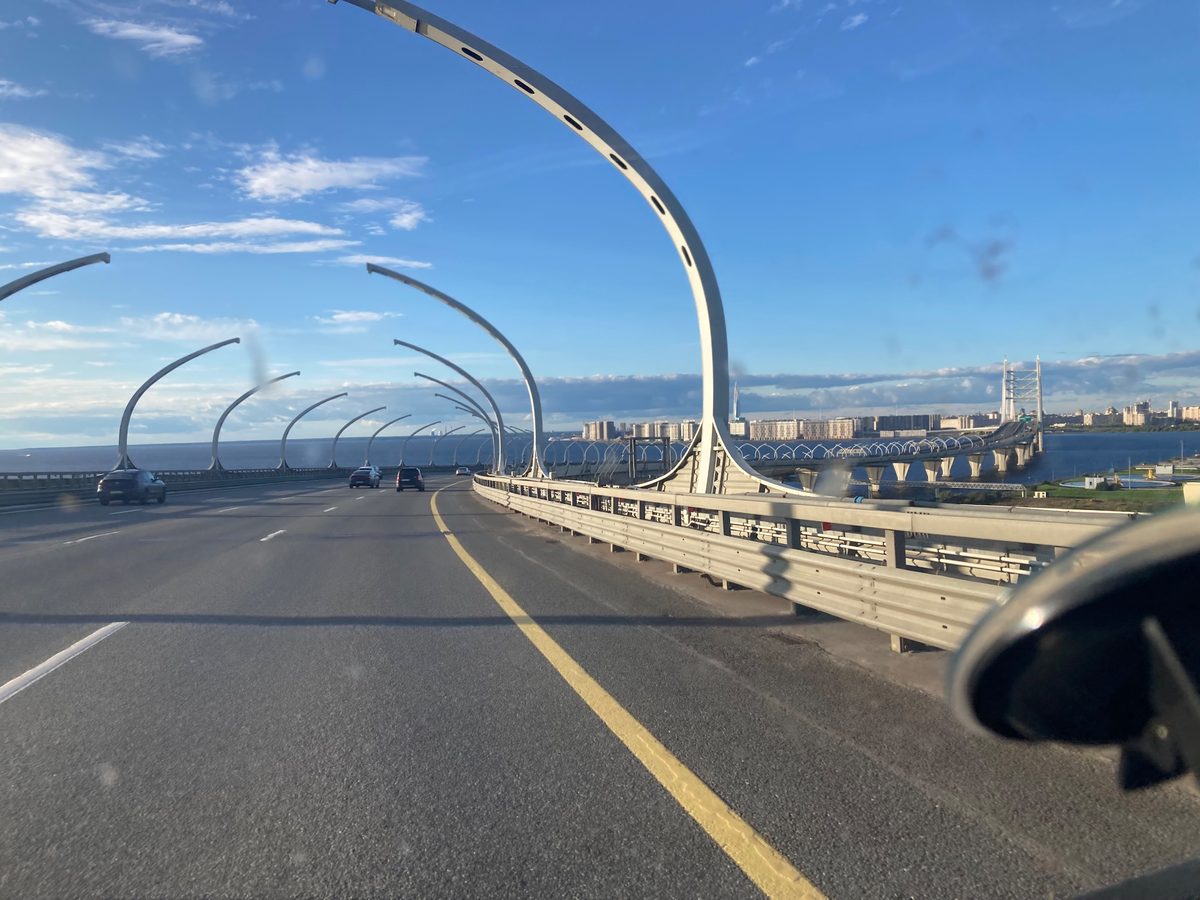
Appearances are deceptive: probably because my vehicle is in a heavier category, I have to cough up about 9,000 roubles at the toll booth before you drive into the city, and I only have 8,500. When I show my dollars, there’s a lot of vigorous head-shaking. The young man doesn’t speak English, but I simply keep insisting. A conversation through his translation app follows, and after 20 minutes a supervisor turns up who has to approve the transaction: a combination of roubles and euros. Not entirely wholeheartedly, but with a smile, I’m helped and allowed through, onto the big bridge and into the city.
Aurora campsite
Here too there’s only one campsite, and that’s Aurora campsite. The tipsy but extremely friendly manager shows me to a pitch; he knows little English, but enough, and we have a good laugh.
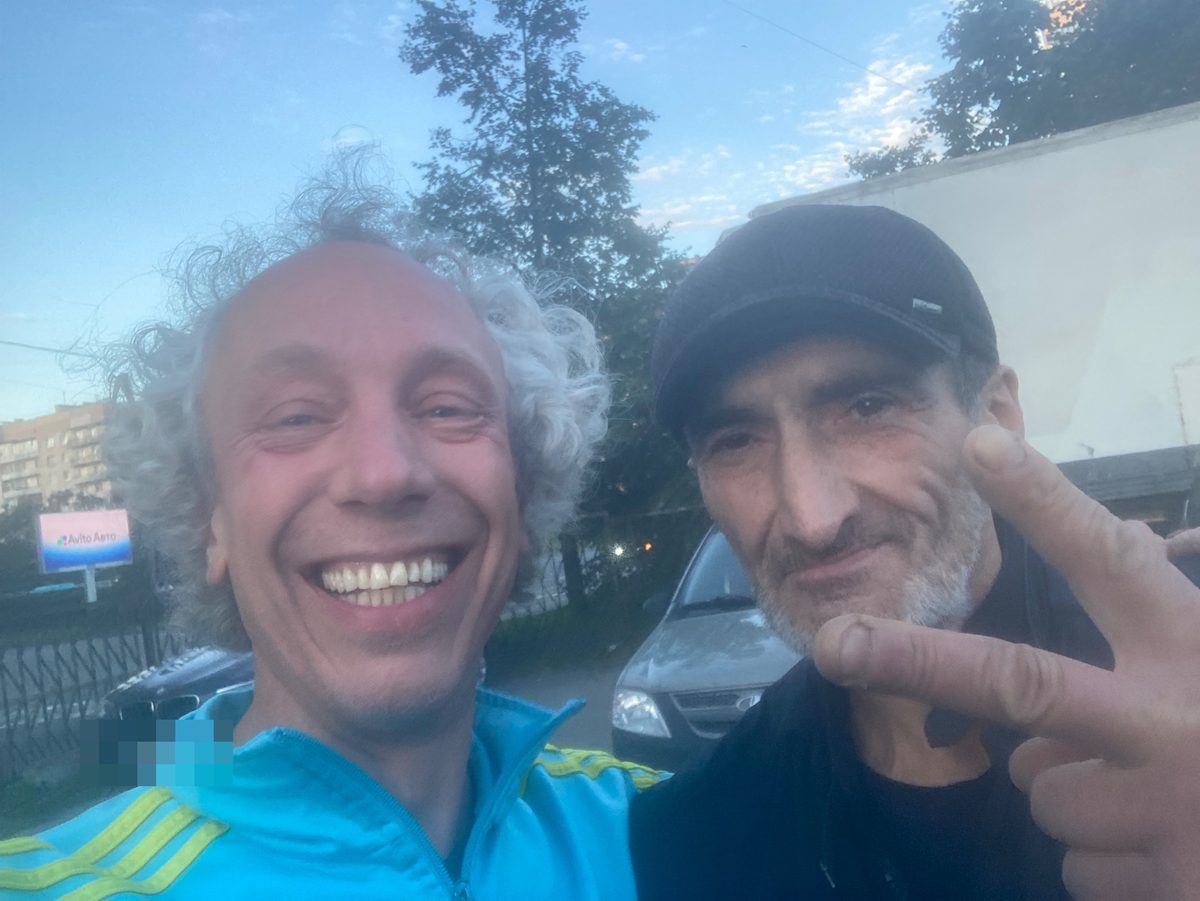
Asking the way
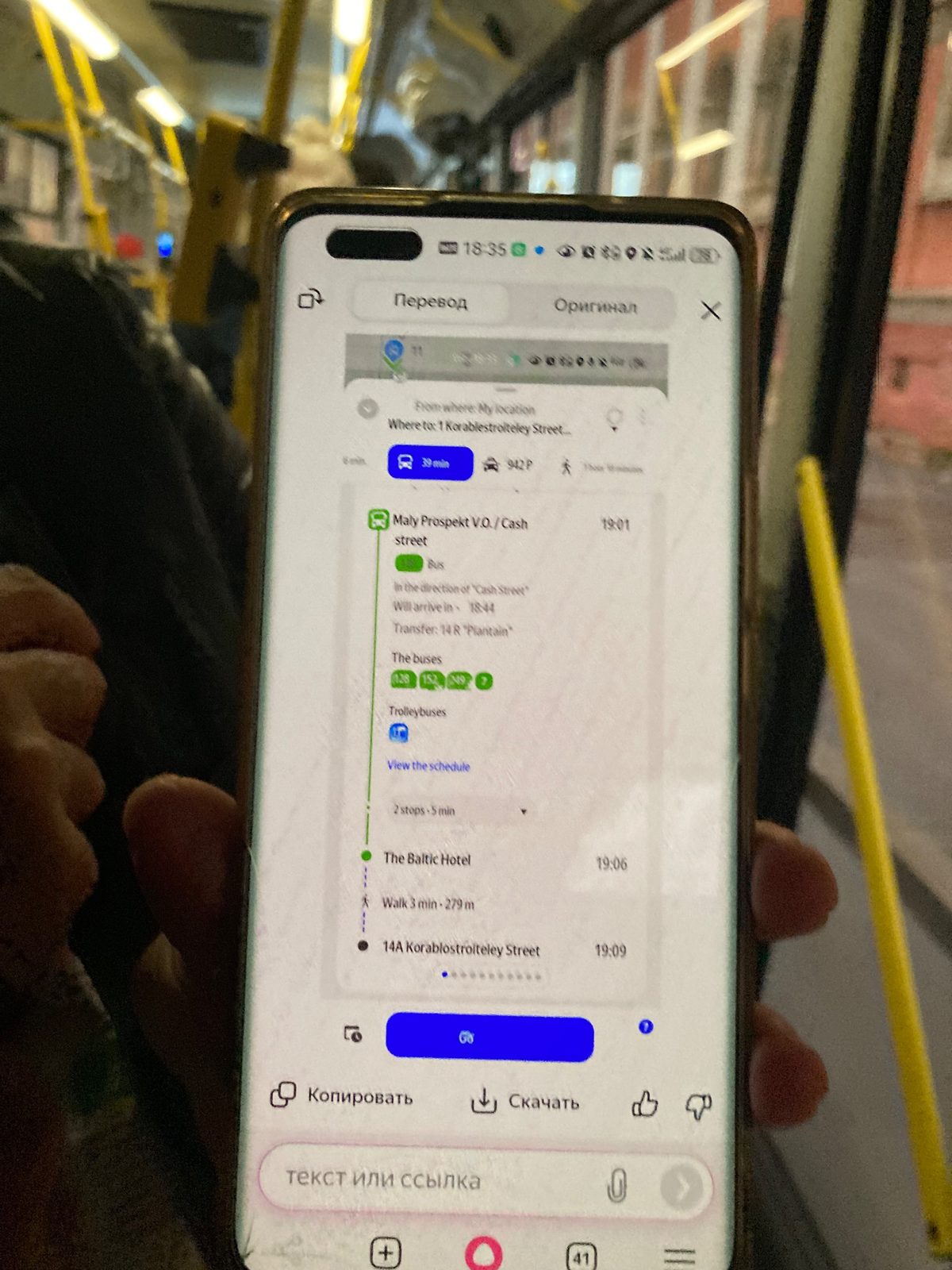
The next day I take the bus into the city. I genuinely have no idea, and I ask around how to get to the centre. Extremely helpfully, out comes a phone and someone goes online for me, looking for the right connection to the metro. Once on the metro, I ask and it turns out I’m going the wrong way; on the translation screen of the lady opposite me I read: ‘You want to go the other way’. In Moscow as well as here, I have to ask the way almost everywhere because I simply can’t read Cyrillic, and most people are glad to help you on your way. I do take photos of everything, though, so that I can show people where I want to go if I need to.
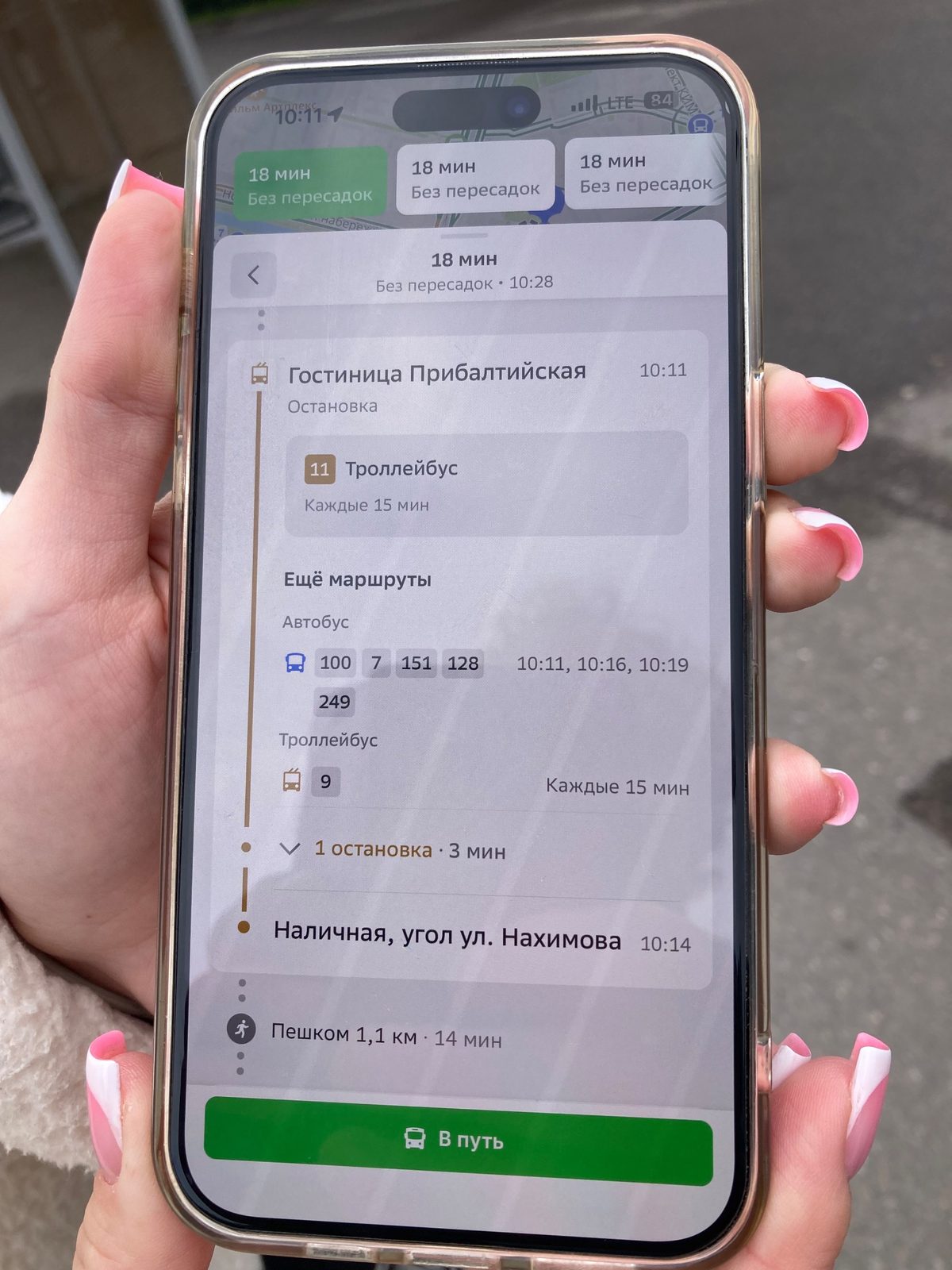
St Petersburg!
A lot more alternative than ‘conservative’ Moscow is my first impression. Walking through the centre, you naturally end up at the Hermitage. Thanks to the small number of tourists I can walk straight in and buy a ticket. I only see card payment options, and here too a lady is kind enough to get me a ticket with her bank card.
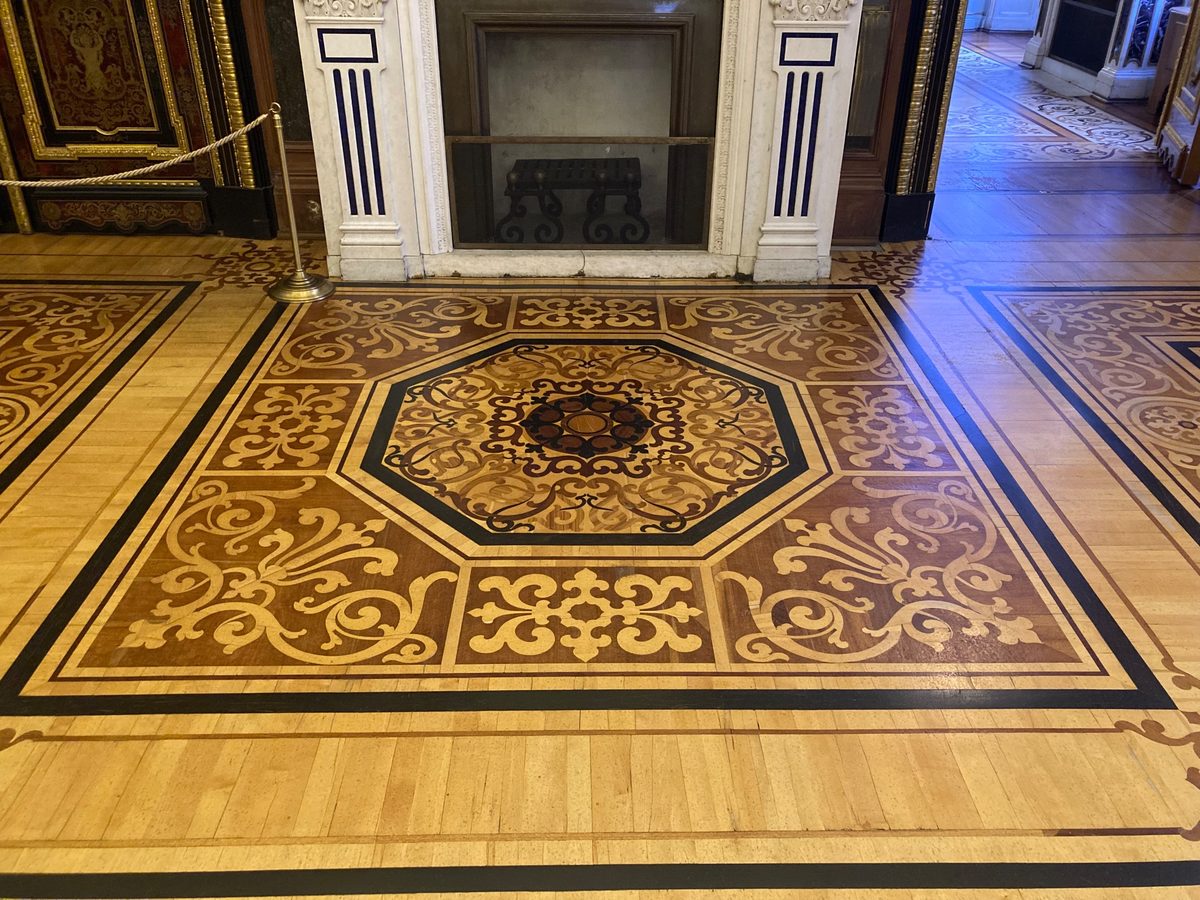
I’d already planned my route inside beforehand, but goodness gracious, how big and impressive it is! Magnificent floors too!
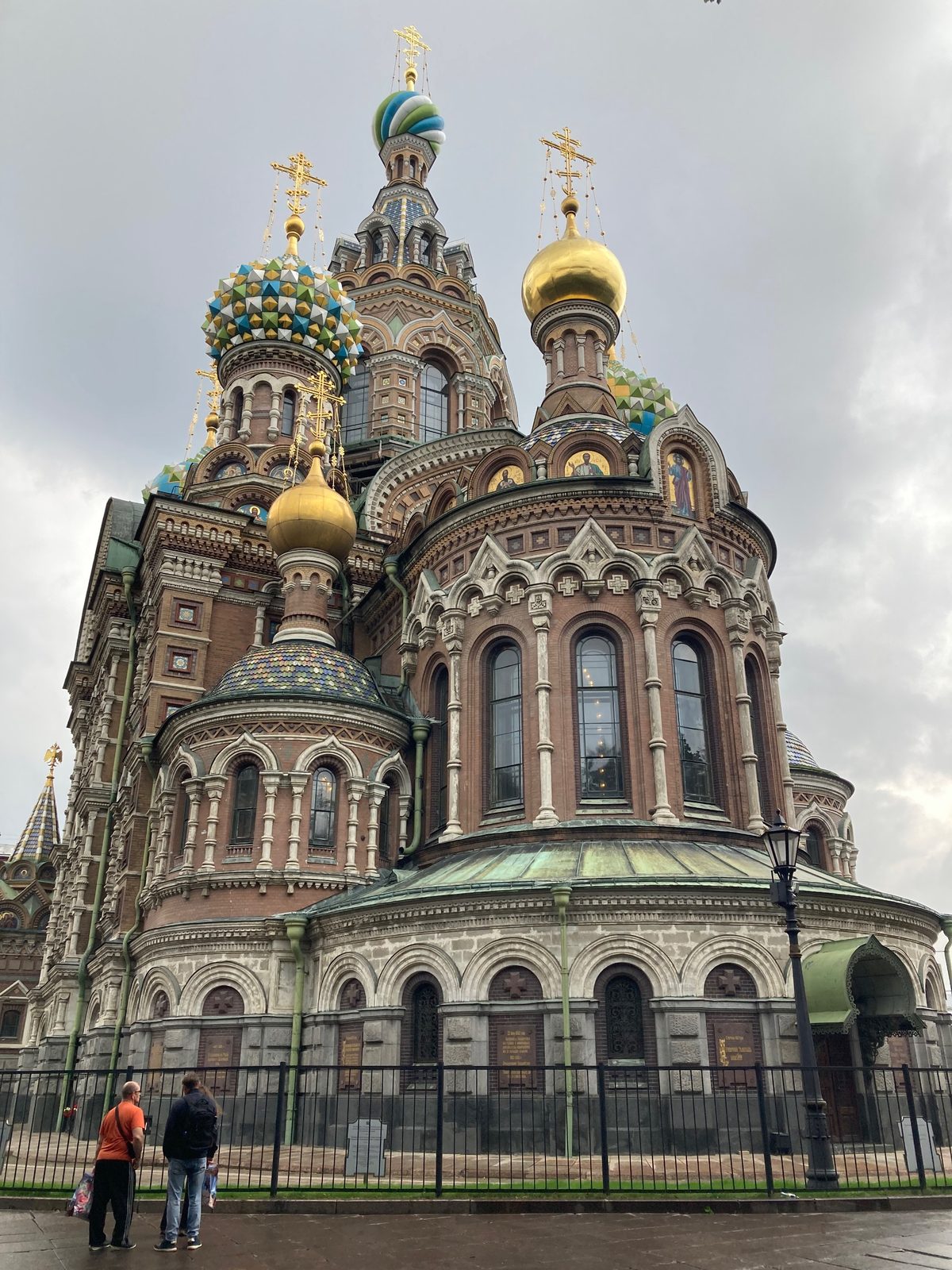
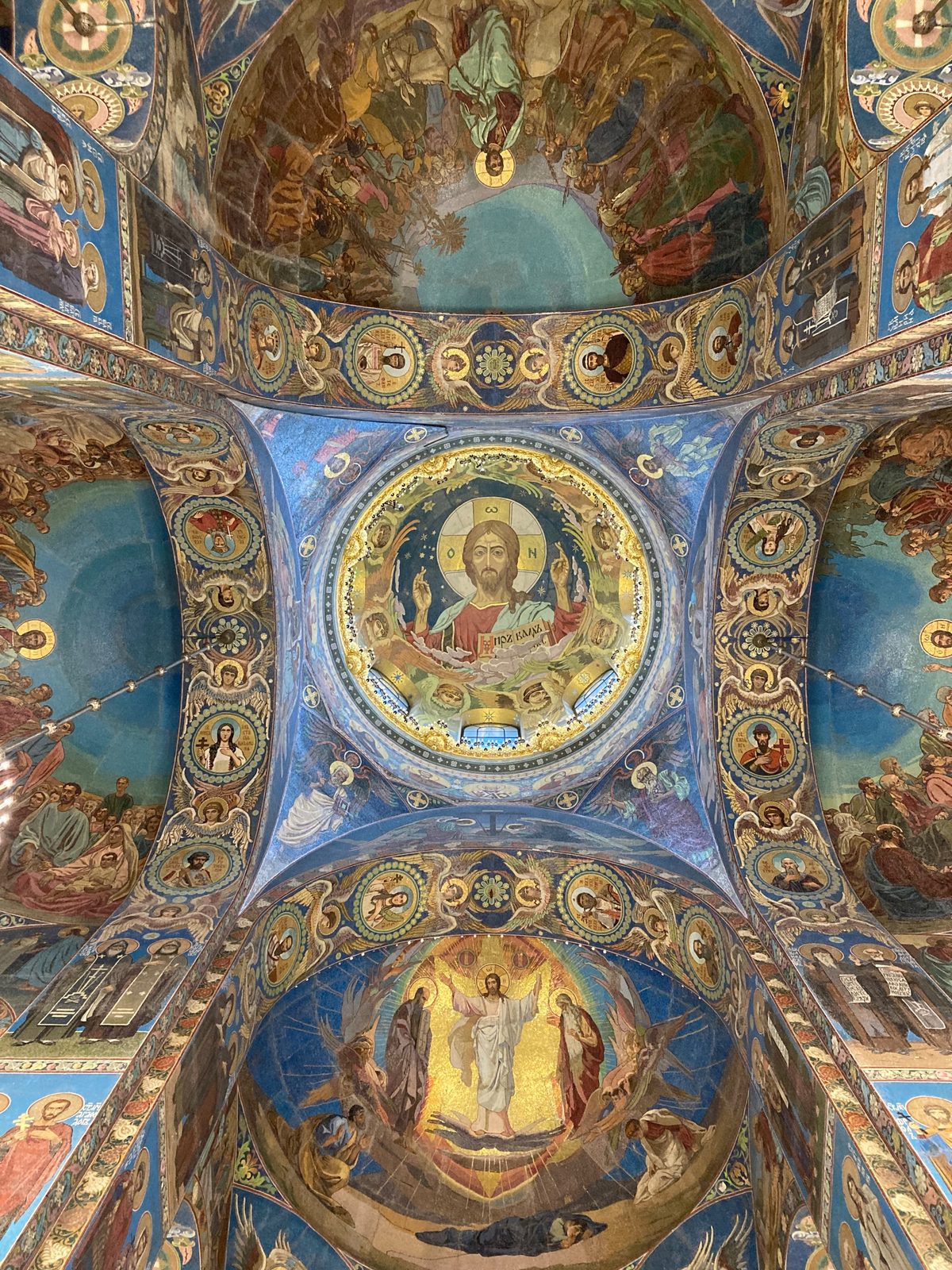
Once I’m back outside it’s pouring with rain, but I set course for the Church of the Savior on Spilled Blood, definitely worth a visit too. I wander around a bit more and decide to head ‘home’.
The bus with the same number suddenly goes the other way. Again I’m helped, this time by a young man who speaks good English and even lets his own bus go to find the right connection on his phone. Another couple who hear where I need to go almost literally pull me onto the bus; they lived for years right next to where my campervan is parked, and know the way perfectly. We chat freely along the way, and that’s how I get the tip about the White Nights, the summer period when the sun barely sets; maybe for next time.
The cannon shot, vodka and the museum of body anomalies
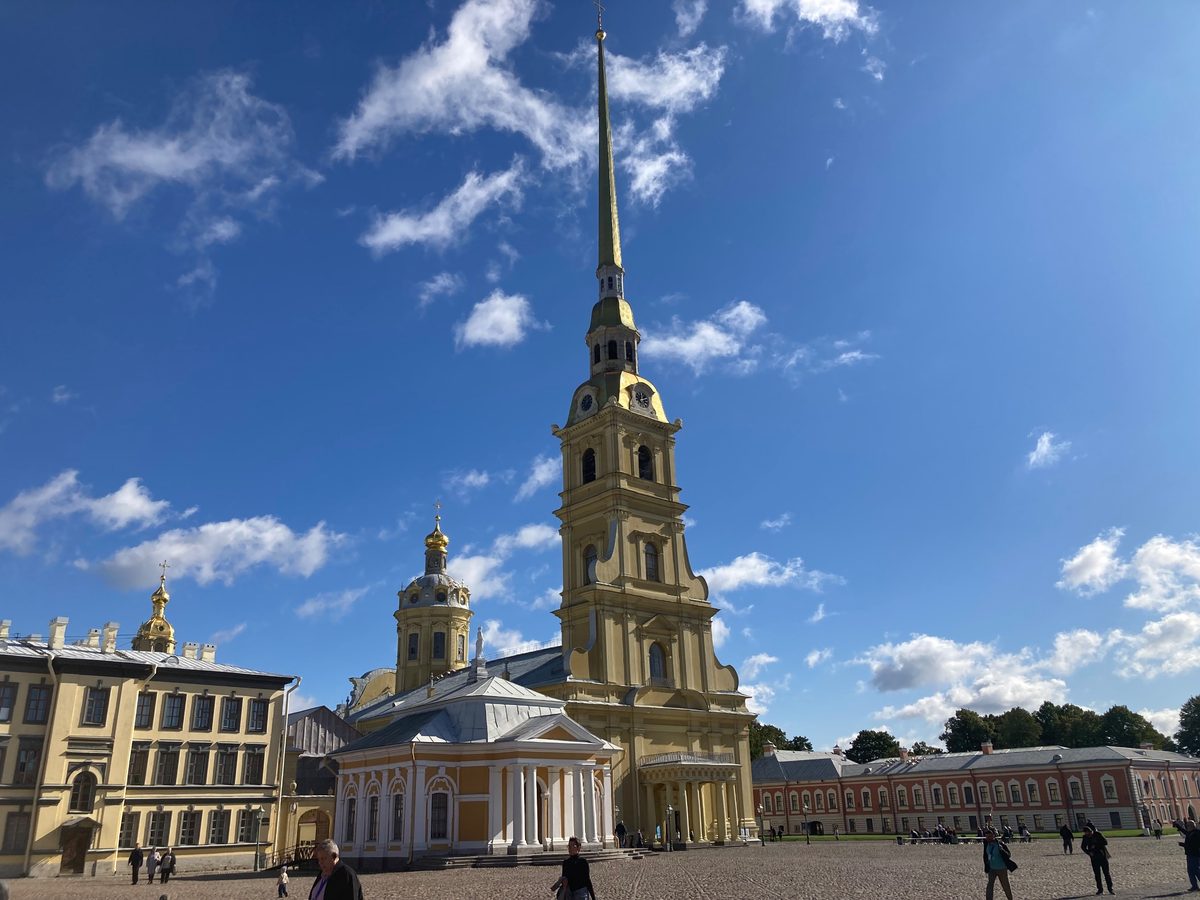
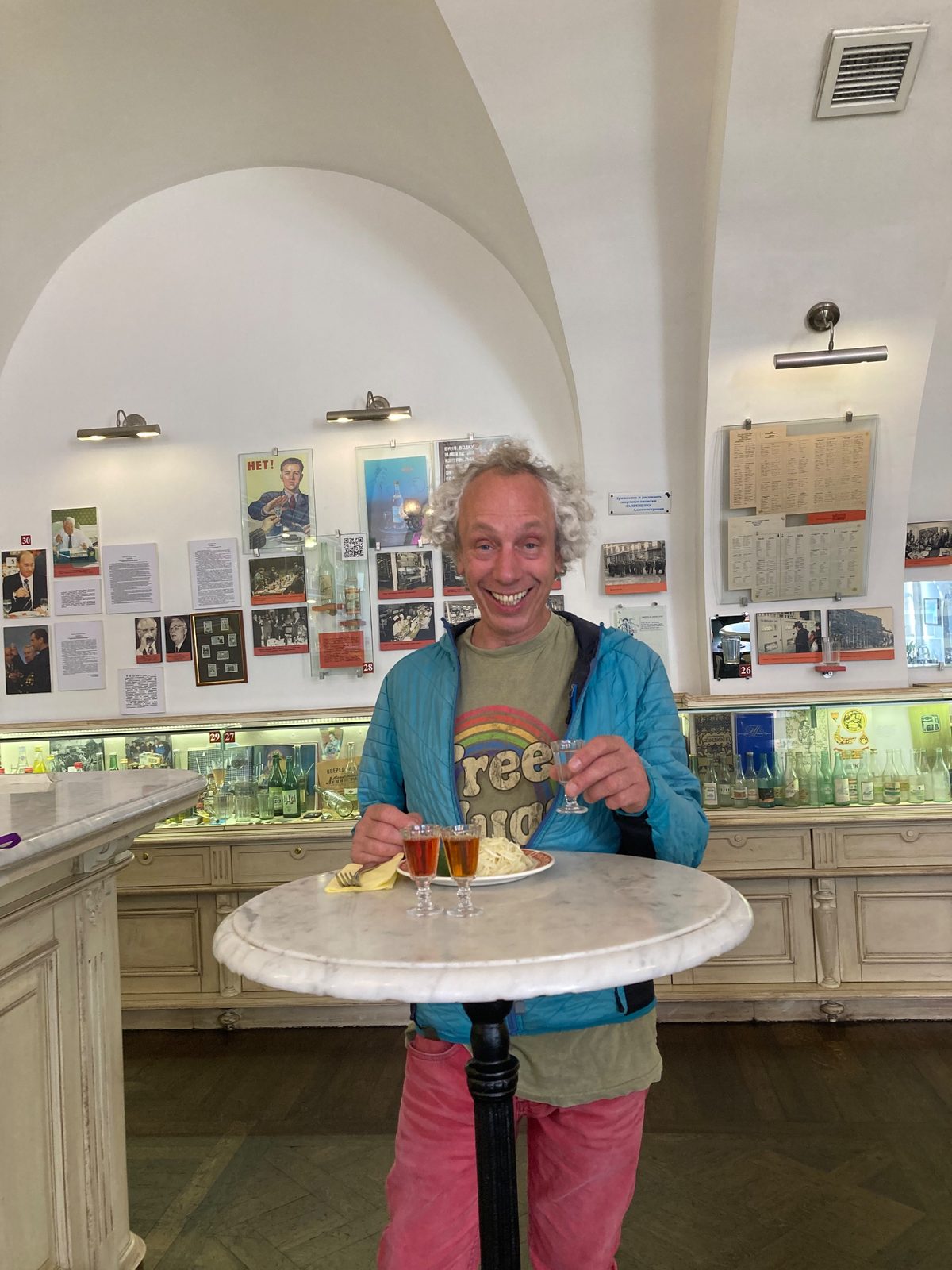
The next day it’s the turn of the cannon shot from the Peter and Paul Fortress, which means a lovely walk through the city both there and back. And a visit to the vodka museum, including a tasting, of course. Someone who speaks perfect English is called over, and even though I’m the only visitor, everything is taken care of down to the last detail. Hats off.
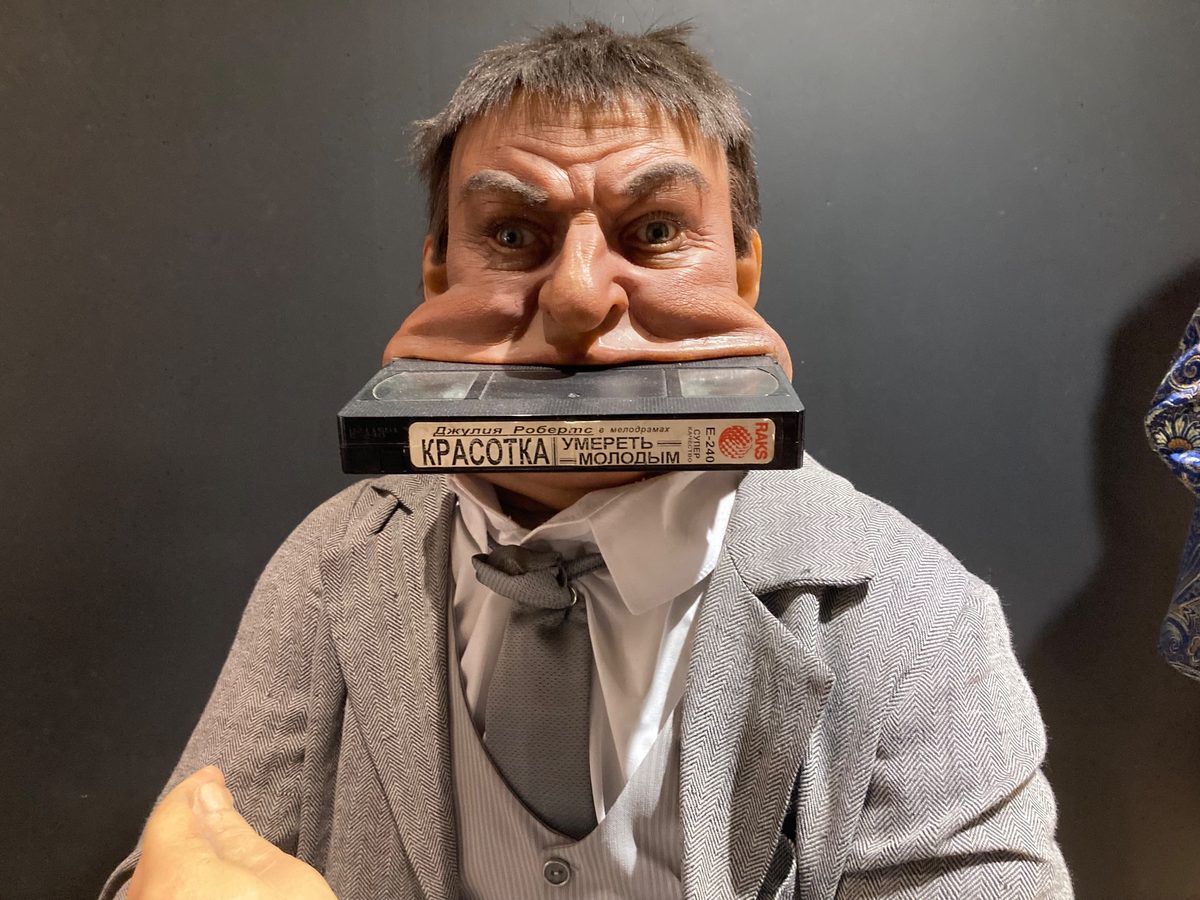
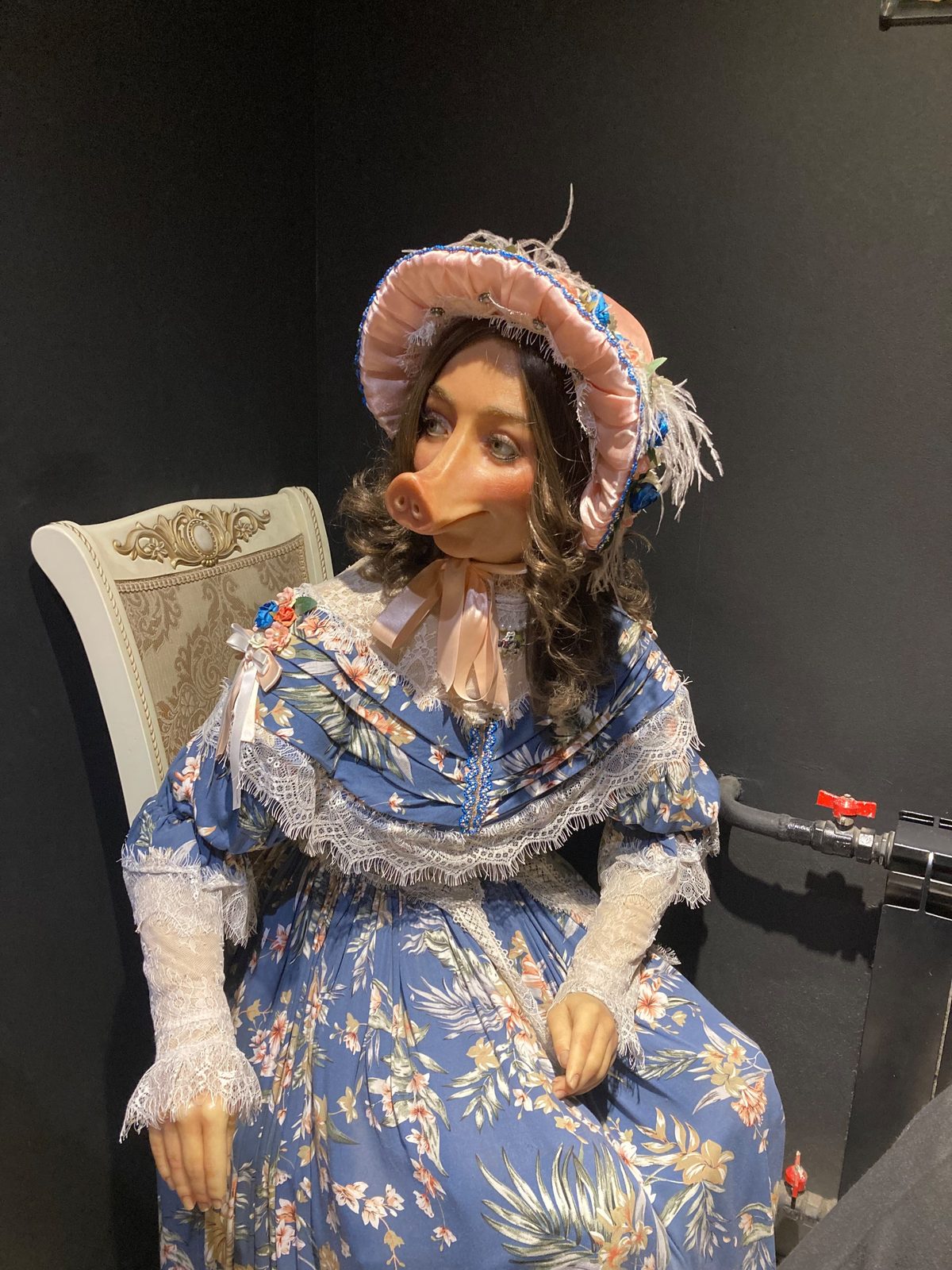
My money is going fast, and I decide to cross the border into Estonia tomorrow. One last visit, though, and I’d secretly already spotted it: the Museum of Body Anomalies. A sort of wax museum, brilliant if you like the absurd; I laughed out loud, anyway.
On to the Estonian border
That same evening I give away my alcohol (brought from the Netherlands, by the way) to my Russian neighbours at the campsite (nastrovya!), and I also give away all my fresh food; I don’t want to take any risks at the border. A quick check with Irena whether the road to the Koidula–Kunichina Gora border post is toll-free, and whether the Narva crossing is still for pedestrians only: both turn out to be true.
This is where my Russian adventure ends, partly because I’m starting to run out of money, and here, no money really means no money. I still have enough for a tank of fuel, after which I have 3,000 roubles left just in case, and that’s just as well. The motorway is toll-free, but there really is a booth for the last few hundred metres before the border; I think it was 300 or 500 roubles to be let through. In any case I’m there in plenty of time, because the post closes at 7 pm.
‘No women?’ ‘No sir.’
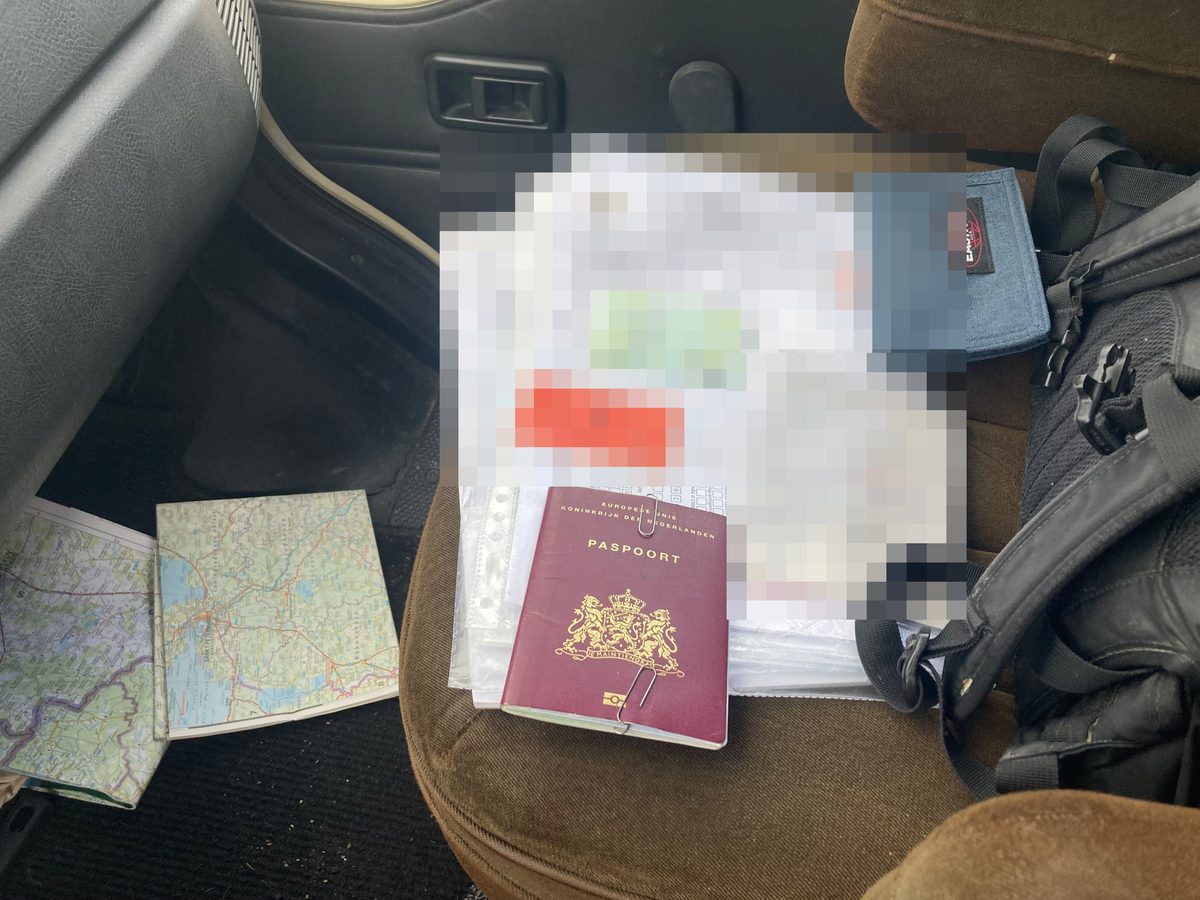
Waiting. It’s quiet; there are four cars and a motorbike. The inspection follows, of course, and the mood can only be called cheerful. ‘No alcohol?’ No sir. ‘No cigarettes?’ No sir. ‘No women?’ No sir. ‘No fun!!’, and everyone laughs out loud. Meanwhile there are about six people standing around me, and there’s plenty of chatting and laughing. Then there’s one more barrier on the Estonian side, where there are more checks, but it all goes very smoothly; it’s mostly a lot of waiting, an exercise in patience. Within three hours I’m in Estonia, wiping away a tear for everything I was lucky enough to experience. What an adventure!!
Learn a few words of Russian
One more thing I’d like to pass on: learn a few words of Russian; at the very least they’ll have a good laugh about it. My ‘spasibo mucho’ went down well everywhere, they understand nastrovya and perestroika everywhere too, and if you start with ‘zdravstvuyte’ or ‘privet, kak dela?’, they absolutely love it.
Russia, and above all the Russians: thank you from the bottom of my heart. Thanks to you I found my way, and had the time of my life. Spasiba mucho!
The start of Jeroen’s trip, with the border between Latvia and Russia, is in part 1, and his days in Moscow are in part 2. Please note: Estonia is closing all its border crossings with Russia, Koidula included, from 1 December 2026; the routes that are left are in how to get to St Petersburg without Narva and in my guide to the Estonia–Russia border.
Have you travelled to Russia recently and want to share your experience? Tell me about your trip here and I’ll publish it in this section, under your name or anonymously, whichever you prefer. Stories like this one are the ones that really help people planning their trip.
Was this useful? I'll tell you when something changes in Russia
One short email a month with what has changed for travellers (visas, payments, border crossings, apps), based on what readers report to me from Russia. More than 4,000 of us already. No spam: if you ever lose interest, unsubscribing is one click.
Irena DomingoAbout Me
I was born in Russia. I grew up between two worlds: my father was Russian, my mother Spanish — a descendant of the "Children of Russia", the Basque children evacuated to the USSR during the Spanish Civil War. I've worked as a translator, interpreter and Russian teacher for over 30 years, and since 2013 I've been writing this blog to help travellers discover Russia with practical, always up-to-date information. Author of the Russiable Guide. If this blog has helped you plan your trip, you can buy me a coffee ❤️.
More on Experiences
 ExperiencesBy Campervan from Latvia into Russia, Part 2: Lost in Moscow and Helped by the Russians. Jeroen’s ChronicleChanging dollars with a truck driver, three hours lost in Moscow, Sokolniki campsite, and the tram and metro without a bank card: part 2 of a campervan trip.5 min read
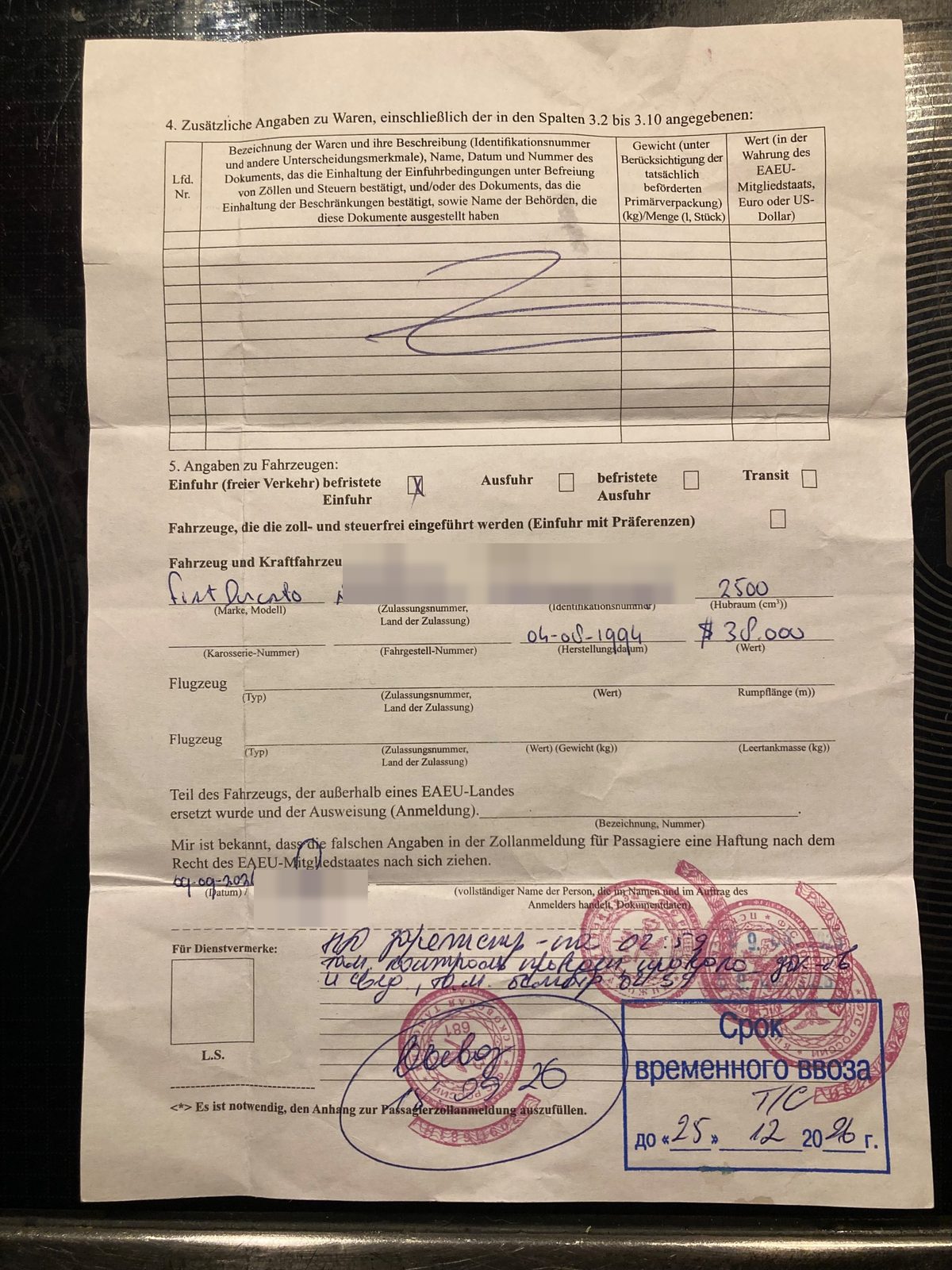 ExperiencesBy Campervan from Latvia into Russia, Part 1: Nine Hours at the Border. Jeroen’s ChronicleOSAGO, Russian health insurance, a customs form for the van, an interview and two scans: a Dutch reader took nine hours to cross from Latvia in September 2026.6 min read
 ExperiencesNineteen and Bound for Russia: Ernst’s Chronicle from Pechory, St Petersburg and MoscowAt 19, Ernst crossed into Russia at Koidula with a Russian friend: Pechory, St Petersburg and Moscow. A first-timer's honest, wide-eyed account.5 min read