
Lake Baikal: What to See Between Irkutsk and Ulan-Ude on the Trans-Siberian
 By Irena Domingo
Updated on
In This Article
Lake Baikal is the great jewel of Siberia and, for almost everyone who passes through, the highlight of the entire Trans-Siberian. It sits between two cities the train links in a single run —Irkutsk and Ulan-Ude— and from them you can arrange the excursions to those corners you’ve seen in a thousand photos: the shaman rock on Olkhon Island, the Circum-Baikal Railway or the little wooden villages perched over the water. If you’re doing the Trans-Siberian, this is the place where it’s worth getting off the train and staying a few days.
In this guide I’ll tell you, straight to the point, what to see and do at Baikal, how to get there (by train or plane), when to go —in summer or over the famous blue ice of winter— and how to put together each excursion yourself, step by step. I’ve updated it with the prices, transport and permits in force right now, so you don’t get any surprises when you arrive.

1. Why Baikal is worth getting off the train for
A place unlike anywhere else in Russia (or the world)
Lake Baikal —or simply Baikal, as we used to call it at home— has always fascinated me for its sheer size, the almost unreal purity of its water and the very different cultures that live around it, thousands of kilometres from Moscow. It’s one of those places you have to see not once but twice in a lifetime: once in summer and once in winter. They are two completely different trips.
If you love nature, the outdoors and places with a spiritual edge, you’ll find it all here: taiga, mountains, fishing villages, Buddhist monasteries, shamanic temples and water so clear that in winter you can see the bottom through the ice.

A UNESCO World Heritage Site
Baikal is the deepest freshwater lake in the world and the largest by volume, and one of the oldest: it’s reckoned to have formed between 25 and 30 million years ago. It lies between Irkutsk Oblast and the Republic of Buryatia, in eastern Siberia, and has been a UNESCO World Heritage Site since 1996.
Its scientific and ecological value is enormous: it’s home to hundreds of plant species and more than a thousand animal species, many of them endemic —found nowhere else on the planet. The most famous is the nerpa, the world’s only freshwater seal. Then there’s the omul, a fish of the salmon family sold smoked at every market stall in the area, and one you simply have to try.

Baikal by the numbers
To give you a sense of its scale, here are the key figures:
| Length | 636 km (up to about 80 km wide) |
| Surface area | over 31,000 km² |
| Maximum depth | 1,642 m (the deepest lake in the world) |
| Water volume | 23,600 km³ (around 20% of the planet’s liquid fresh water) |
| Altitude | 456 m above sea level |
| Islands | more than 20; the largest is Olkhon |
| Tributaries | over 300 rivers (Selenga, Barguzin, Turka…); only one flows out, the Angara |
Three things you rarely hear about Baikal
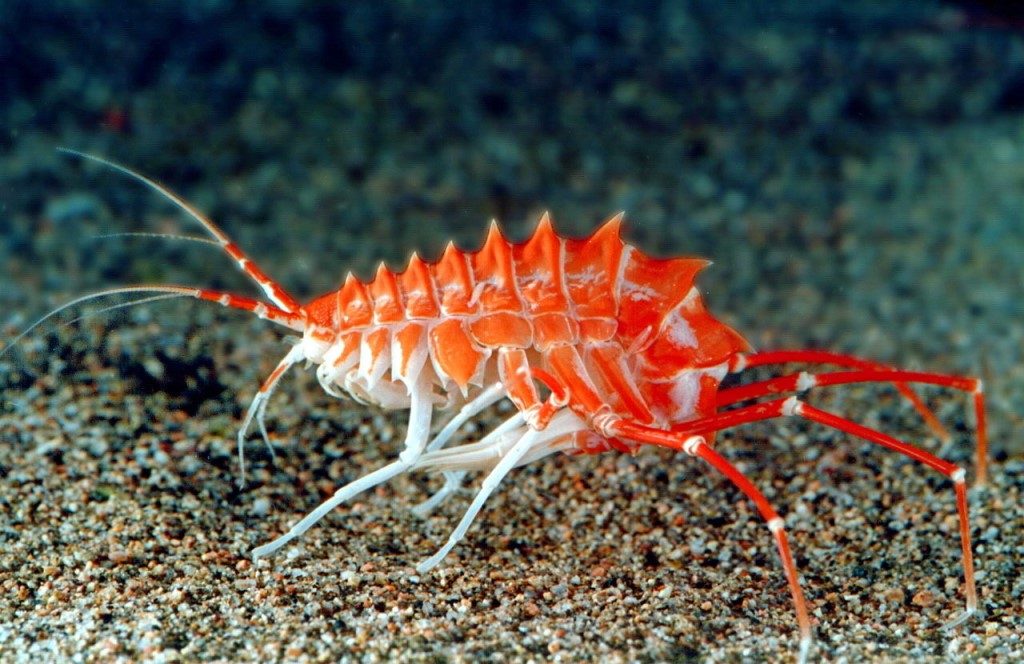
- The water cleans itself. A tiny endemic crustacean, the epishura, barely 2 mm long, filters the water non-stop. There can be up to three million of these creatures per cubic metre, and they’re one of the reasons Baikal is so clear.
- It has its own neutrino telescope. Deep in the lake runs the Baikal-GVD, one of the largest neutrino detectors in the world, submerged more than a kilometre down. Baikal’s dark, ultra-clean water is perfect for “catching” these particles arriving from space.
- And plenty of legends. The Buryats call it the “Sacred Sea”, and all kinds of stories swirl around it, from UFO sightings to a dragon said to live at the bottom. True or not, they give the lake that magical air you breathe in above all on Olkhon.
2. How to get to Baikal: train or plane
The vast majority of people who make it out here come by Trans-Siberian, since both Irkutsk and Ulan-Ude are stops on the line. But you can also fly direct from Moscow if you’re short on time. Let me walk you through both options.
2.1. By train: the option with the most charm (about three and a half days)
Arriving on the Trans-Siberian is, without question, the most beautiful way. The direct Moscow–Irkutsk train takes about 82 hours (a little over three and a half days) if you do it in one go, sleeping on board, but the ideal is to buy the ticket in legs and stop along the way, for example in Yekaterinburg or Novosibirsk.
Prices change with the train and the season (they rise in summer), because they run on dynamic pricing. As a reference for the Moscow–Irkutsk route, a platzkart berth (3rd class, open-carriage bunk) usually runs between about 8,000 and 16,000 rubles, and a kupe (2nd class, closed four-berth compartment) between about 13,000 and 25,000 rubles, depending on the train and dates.
Tickets are bought on RZD’s official website, but with the sanctions foreign cards don’t work for paying, so you’ll need an intermediary. I explain it all in the guide on how to buy train tickets in Russia despite the sanctions and on the train tickets page.
The handy bit for travellers: the train stops first in Irkutsk and, about seven hours later, in Ulan-Ude. And from Ulan-Ude you can carry on to Mongolia (Ulaanbaatar) or all the way to Beijing on the Trans-Mongolian route, a natural extension of the Trans-Siberian.
2.2. By plane: the fastest way (between five and a half and six hours)
If you’re really pressed for time, there are direct flights from Moscow to Irkutsk (about 5,200 km) and to Ulan-Ude (about 5,600 km), with Russian carriers like Aeroflot, S7 Airlines, Ural Airlines or Pobeda (Aeroflot’s low-cost arm). The flight takes between five and a half and six hours. Irkutsk airport is just 5 km from the centre.
The price of a one-way economy ticket varies a lot with the season and how far ahead you book, but it tends to fall within a wide range (broadly, between 8,000 and 20,000 rubles). As with the train, foreign cards won’t work to buy Russian domestic flights: I explain how to do it on the flights to Russia page.
Once you’re in the area, getting between Irkutsk and Ulan-Ude takes about 7 hours (by train or car), because you have to skirt the lake for more than 450 km.
3. When to go: summer or winter’s blue ice
Baikal has two big seasons, and they’re so different they almost deserve two separate trips:
Summer (15 June to 15 August): the comfortable option
It’s the best time if you’re going for the first time. The days are very long and sunny and the temperature hovers around 16–17 °C, although in shallow bays the water reaches 22–23 °C and you can even swim (a quick dip, I warn you). It’s when all the boats, excursions and outdoor activities are running. That said, it’s also when there are the most tourists, especially on Olkhon.
Winter (mid-February to late March): the most famous ice in the world
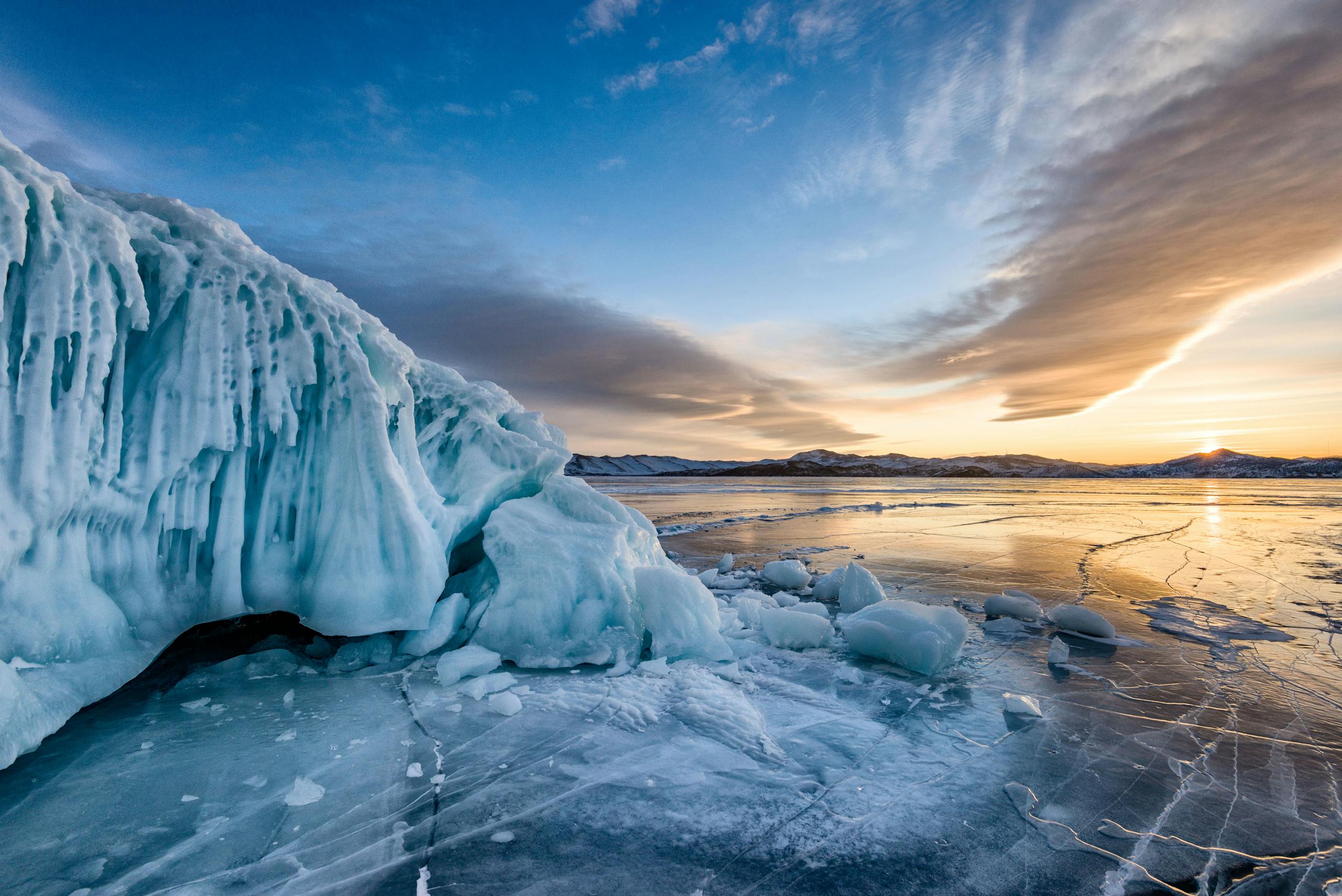
Here’s the great spectacle that has made Baikal famous in recent years. From mid-February to late March, the lake is covered by transparent ice, blue and smooth as glass, between 70 cm and over a metre thick: so solid you can walk and skate on it, and even cars and hovercraft drive across the top.
What people come to see is this: frozen methane bubbles trapped under the ice forming “strings of pearls”, giant cracks, tors (piled-up blocks of ice several metres high) and, above all, the ice grottoes and caves on the coastal rocks, spectacular around Olkhon and the Maly More (Small Sea). With luck you’ll also spot nerpas sunbathing on the ice. The temperature hovers around −10/−15 °C, but with good gear and sunshine it doesn’t feel as cold as it sounds.
The rest of the year the weather is more unstable: in January the ice is still forming, and between April and June (and again in autumn) there’s thaw, wind and rain. Not the best dates, unless you’re after absolute peace and quiet.
4. What to see: Irkutsk, the lake excursions and Ulan-Ude
Since you probably won’t have a lot of time, let me sum up the essentials. The idea is to use Irkutsk as a base (a couple of days) for the lake excursions, and then continue by train to Ulan-Ude (another night or two). This map shows the places I talk about:
Clicking loads Google Maps, which may set cookies. Open in Google Maps
4.1. What to see in Irkutsk
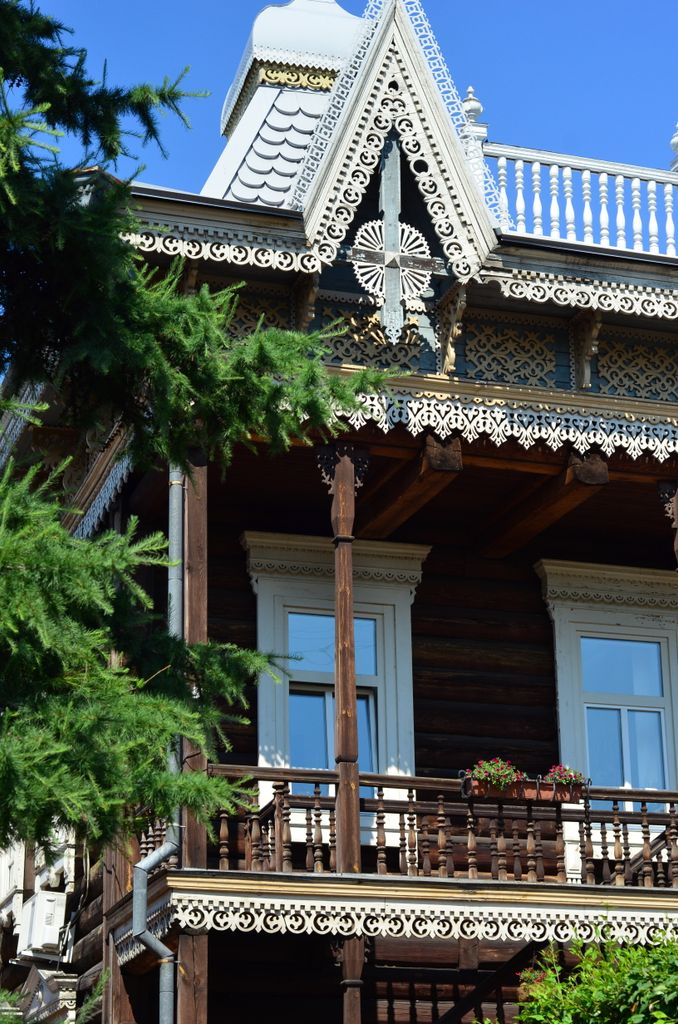
Irkutsk (over 600,000 inhabitants) is the southern “gateway to Baikal” and a city with bags of charm, crossed by the Angara River and famous for its wooden architecture. One or two days is plenty to see it. Here’s what I wouldn’t miss:
The 130 Kvartal and the Babr
It’s the tourist heart of the city: a quarter of restored wooden houses with shops, galleries, cafés and restaurants, very lively at dusk. At the entrance you’re greeted by the Babr, a mythical creature from Irkutsk’s coat of arms —body of a tiger, tail and paws of a beaver, and a sable in its mouth. They say touching its paw brings luck. The planetarium is here too.
The Angara embankment and the Moscow Gates
Take a stroll along the lower riverside promenade of the Angara: you’ll pass the Moscow Gates (a reconstructed triumphal arch), the monument to the city’s founder Yakov Pokhabov and the lovely Epiphany Cathedral. Nearby is the icebreaker Angara, one of the oldest in the world, now a floating museum.
The Decembrist house-museums
The Decembrists were the nobles who rose up against the tsar in December 1825 and ended up exiled to Siberia; many were followed by their wives, who gave up everything to go with them. In Irkutsk you can visit two of their homes, the Volkonsky House and the Trubetskoy House, which show how a noble family lived in exile: the library, the ballroom, their daily customs.

Kazan Cathedral
It sits a little out of the centre, but it’s worth the detour: an Orthodox cathedral with a brightly coloured façade, striking and beautiful both outside and in.

The Drama Theatre
The Drama Theatre is the oldest in eastern Siberia and a source of local pride. If a performance lines up with your visit, the productions are top quality.

Eat well and end the day with a banya
Take the chance to try Siberian and Buryat cuisine: buuzy (also called pozy, a kind of steamed dumpling filled with meat and broth), omul sagudai (raw marinated fish) and, of course, smoked omul. As a souvenir, a pair of unty (Siberian felt boots).
And there’s nothing better to round off a day of excursions than a banya, the traditional Russian sauna. There are several in Irkutsk; though, if it leaves you wanting more, you can also treat yourself to a good banya in Moscow.

4.2. Excursions to Baikal from Irkutsk
There’s one short excursion and two longer ones. If you can only do one, make it Olkhon.
Excursion 1: Listvyanka, the Taltsy museum and Chersky Stone (one day)
This is the easy getaway to the lake, perfect if you only have a day. Leaving Irkutsk early (no later than 9), at km 47 of the road towards the lake is the Taltsy museum, an open-air museum of wooden architecture (churches, houses and crafts from the 17th to 20th centuries belonging to the region’s peoples). Give it 2–3 hours. Don’t miss the hut of Baba Yaga, the witch from Russian fairy tales.


Then carry on to Listvyanka, the gateway to Baikal: a village of about 2,000 people on the lakeshore, where the Angara River is born, an hour from Irkutsk. Here you have:
- The Baikal Museum, the only museum in Russia devoted to a single lake. It has aquariums with Baikal fish, a tank with nerpas and even a “dive simulator” that virtually takes you to the bottom. Admission is about 400 rubles.
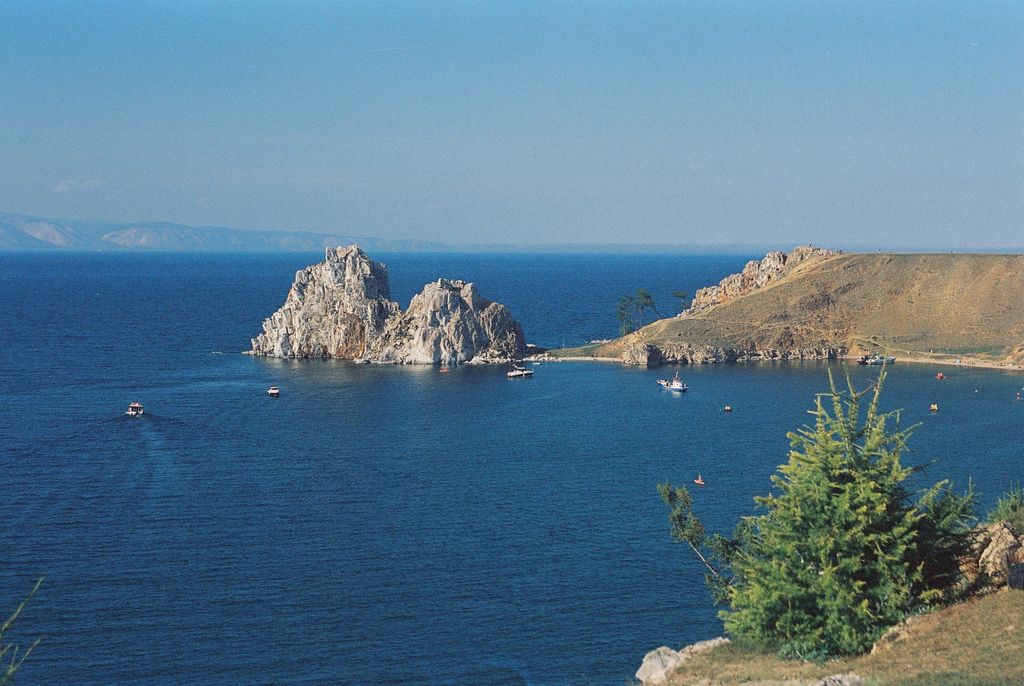
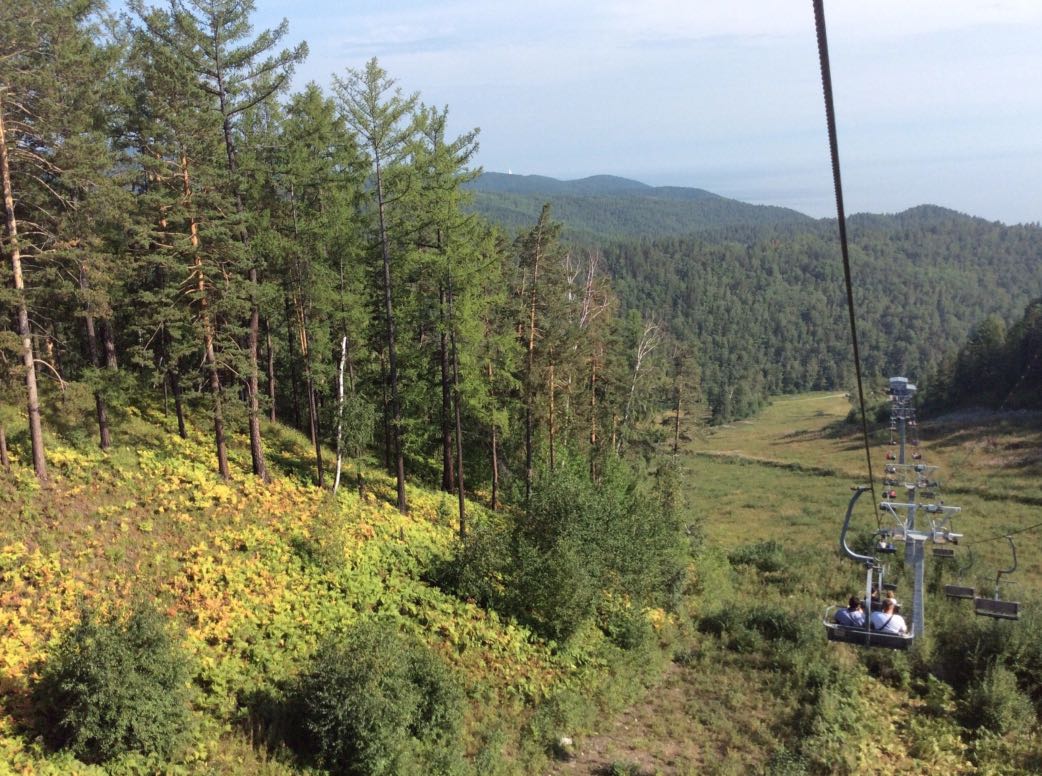
- Chersky Stone, a viewpoint atop a hill (728 m) reached by chairlift or on foot along a lovely trail. At the top there’s a café and extraordinary views of the lake, the source of the Angara and the Shaman Rock (Shaman-kamen), a legend-wreathed rock poking out of the water right where the river leaves the lake.
- The fish market, to buy omul and other smoked fish.

Excursion 2: Olkhon Island, Khuzhir and Shaman Rock (the must-do)
If you only do one excursion, make it this one. Olkhon is the largest island in Baikal (71 km long) and the most magical spot on the lake. It’s sacred land for the Buryats and the centre of the area’s shamanism. Its main village, Khuzhir, is the perfect base to explore it, with a fishing-village feel and plenty of places to stay.
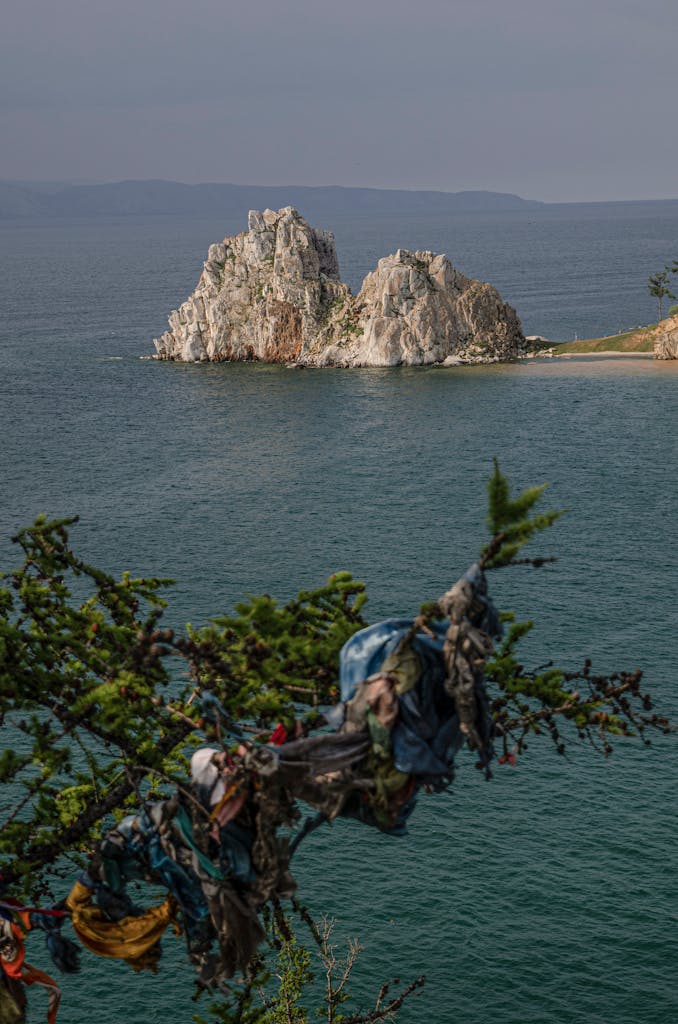
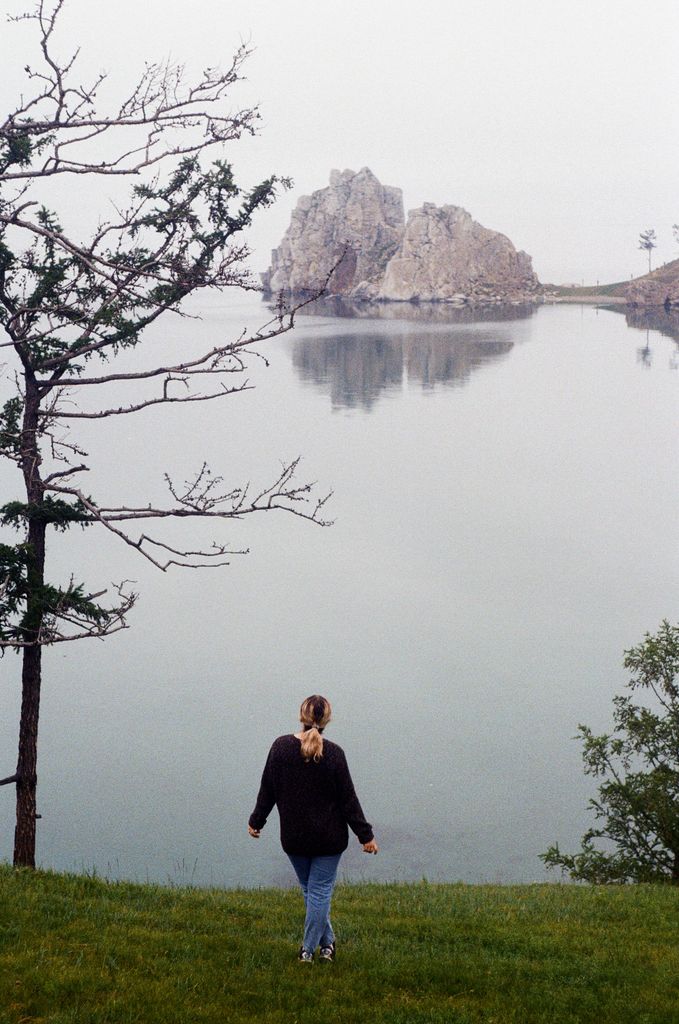
Next to Khuzhir is Shaman Rock (Shamanka, or Cape Burkhan), the most famous landmark on Baikal and one of the nine most sacred places in Asia: the image you’ve seen in a thousand photos. At the northern tip of the island, Cape Khoboy serves up spectacular views and, with luck, the odd nerpa. In winter, this whole coast fills with incredible ice caves and grottoes.
How to get from Irkutsk to Khuzhir. It’s about 300 km (6–7 hours). The options:
- Bus or marshrutka (the most common and cheapest). They leave several times a day from Irkutsk’s bus station and the Central Market, usually in the morning and around midday/afternoon. The price ranges, depending on the company, from about 800 to 3,000 rubles. The road is now paved almost the whole way. The final stretch crosses by ferry at Sakhyurta (MRS): the ferry is free and buses get priority in the queue, so you’ll barely wait.
- Private or shared transfer. Handy if there are several of you or the timetables don’t fit; it’s around 2,500 rubles each way, with pick-up at your hotel or the airport.
- In winter, when the lake freezes, the crossing is made by hivus (hovercraft) or along the official ice road.
National Park permit. Olkhon is inside the Pribaikalsky National Park, so you now need an access permit. It’s cheap (about 300 rubles per route, 500 for the northern Olkhon route) and you get it online at baikalpass.ru or at the island’s visitor centre. If you go with an organized tour, they usually take care of it.
For sleeping, Khuzhir has it all: guesthouses, hostels, small hotels and family homes. I’d recommend booking ahead in summer. Take a look at the recommendations on accommodation in Russia.
Excursion 3: the Circum-Baikal Railway (a full day)
The Circum-Baikal Railway (KBZD) is a historic train line running along the southern tip of the lake between Slyudyanka and Port Baikal. With its 38 tunnels, its galleries and its stone viaducts carved into the coast, it’s a genuine feat of engineering and one of the most beautiful stretches at Baikal. Until the mid-20th century it was part of the main Trans-Siberian line; when an alternative route was built, it was left as a scenic branch line.

You have two ways to do it:
- On the tourist train (the most comfortable). It runs from May to October, usually leaving Irkutsk on Wednesdays, Fridays and Sundays, and covers the Irkutsk → Slyudyanka → Circum-Baikal → Port Baikal route with long stops at the viewpoints so you can get off and take photos. The return is by boat from Port Baikal to Listvyanka and from there by bus to Irkutsk. It’s a full day (10–12 hours) and the price depends on the seat (lake side or mountain side). Along the way you’ll see Slyudyanka station, the only station building in the world built entirely of white and pink marble.
- On your own, on the local train (the “matanya”). It’s the suburban train locals use every day to get around the coast: slow and with no frills, but cheap and very authentic. You combine it with the Port Baikal–Listvyanka ferry to get back.
Since the Circum-Baikal also runs through the Pribaikalsky National Park, you’ll need the same access permit (about 300 rubles); the agencies include it if you go on the tourist train.
4.3. What to see in Ulan-Ude
The next stop on the Trans-Siberian is Ulan-Ude, capital of the Republic of Buryatia and one of those places where East and West genuinely blend: here the Orthodox church, Buddhism and shamanism live side by side. One or two nights and you’ll enjoy it properly.
Lenin’s head (and its hidden weld)
On Soviet Square stands the city’s most famous monument: the largest Lenin head in the world, about 7.7 metres and over 40 tonnes. A local challenge: walk all the way around it and try to find the weld, which is brilliantly concealed.

The centre, the “Arbat” and the Opera and Ballet Theatre
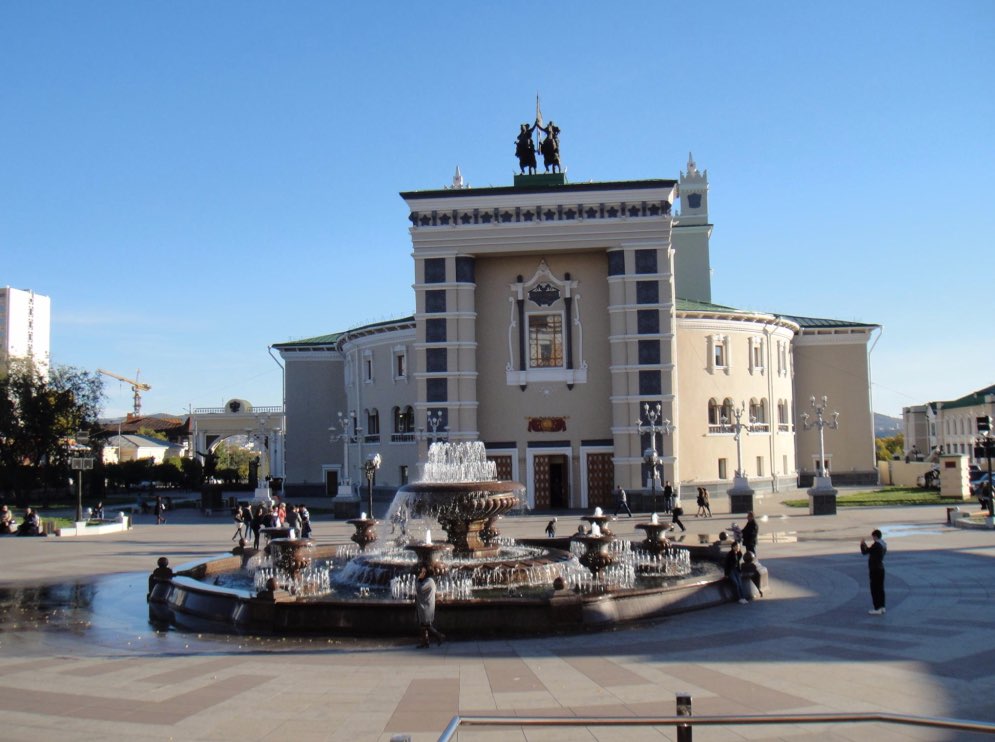
Wander down the pedestrian Lenin Street (the local “Arbat”), with its heavily decorated wooden merchant houses, and look in on the Odigitrievsky Orthodox Cathedral and the City History Museum. The Academic Opera and Ballet Theatre is another Buryat point of pride: the hall, full of gilding, is gorgeous, and above the curtain it still keeps the symbols of the Soviet era.
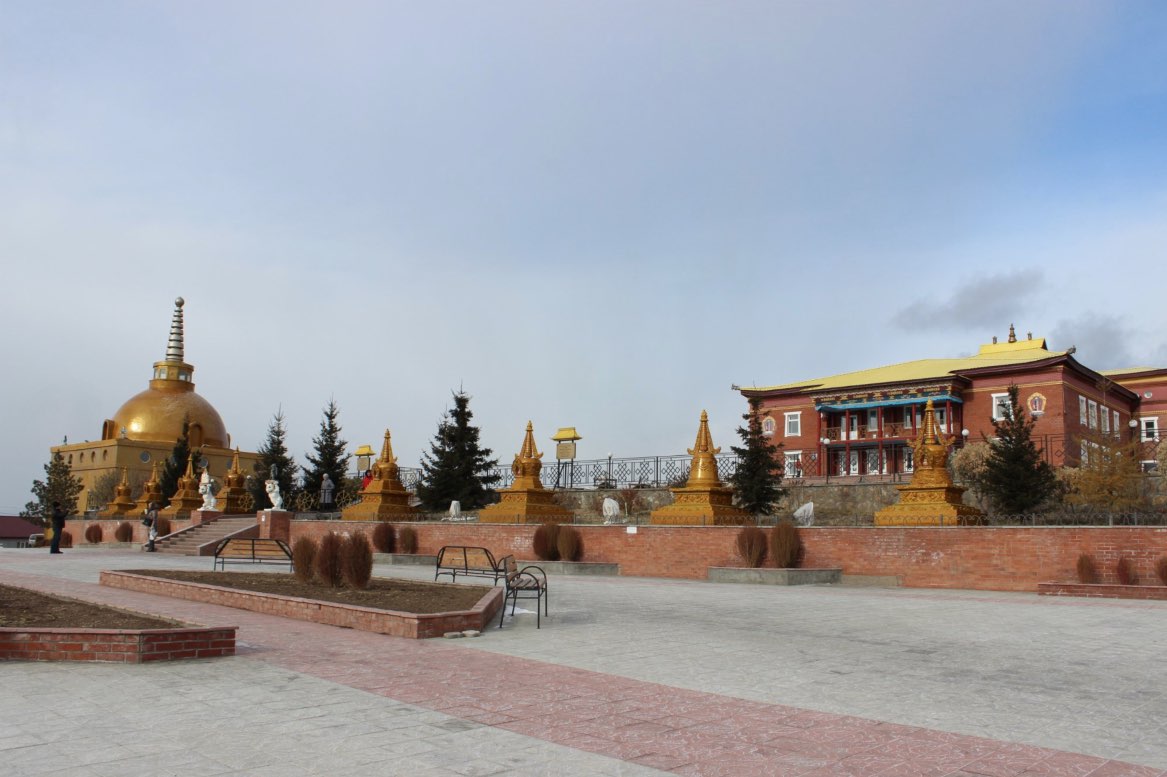
The Ethnographic Museum and the Rinpoche Bagsha datsan
About 8 km from the centre, in Verkhnyaya Berezovka, is the Ethnographic Museum of the Peoples of Transbaikalia, an open-air museum gathering houses, yurts and temples of the region’s different peoples (Buryats, Evenks, Old Believers…). You get there by marshrutka, bus 37 or taxi. And to end the day, head up Bald Mountain (Lysaya Gora), where the Rinpoche Bagsha datsan stands: the views over the city at sunset are magnificent.
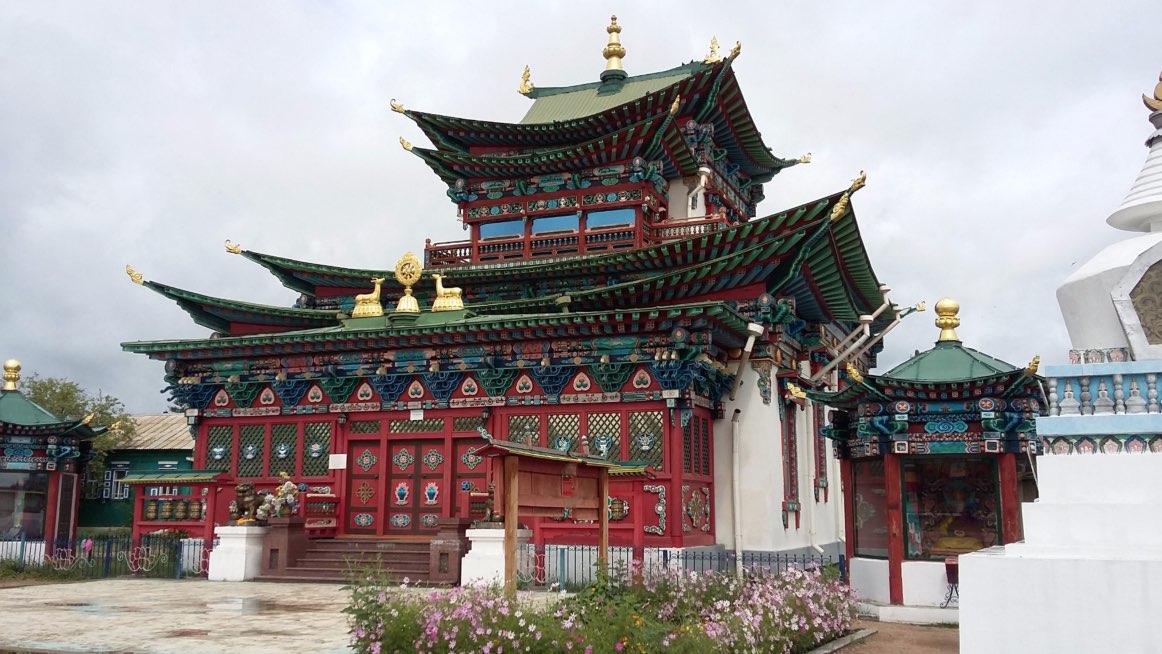
The Ivolginsky Datsan, Russia’s great Buddhist centre
The must-do excursion from Ulan-Ude is the Ivolginsky Datsan (“Khambin Khure”), 36 km from the city. It’s the main centre of Buddhism in Russia and the residence of the Pandito Khambo Lama, the country’s highest Buddhist authority. Its great treasure is the incorrupt body of Lama Itigelov, which is displayed only a handful of times a year and draws pilgrims from everywhere. To get there, take marshrutka 104 or 130 from the “Banzarov Square” stop to the end of the line, in the village of Ivolginsk.
A tip: inside the grounds, always turn the prayer wheels clockwise and dress respectfully. And before you leave, try the Buryat buuzy: here they’re among the best in the country.
By the way: from Ulan-Ude you can also reach the lake along the eastern shore (far less crowded than Olkhon in summer), and even get to Olkhon Island itself from this side.
5. Things to do at Baikal, in summer and winter
If you have days to spare or you’re the restless type, Baikal offers a lot more:
- Hiking. The Great Baikal Trail project is a network of paths built largely by volunteers from all over the world. There are routes for every level along the lakeshore.
- On the water. In summer you can kayak, take boat rides, go rafting and even take multi-day cruises on the lake.
- On two wheels or on horseback. Bikes are available to rent and there are horse-riding routes, with the option of sleeping in wooden cabins.
- In winter. Walking and skating on the ice, hivus (hovercraft) trips, dog-sledding and skiing at the Listvyanka resort.
- The Baikal Ice Marathon. Every year, in early March, a marathon (42 km) is run across the frozen lake from shore to shore. A beautiful kind of madness for runners who fancy the bragging rights.

6. Before you travel to Baikal: sort these out
Baikal is a long way from everything, so it’s worth tying up the important things before you set off. The essentials:
- Cash. Your Visa and Mastercard cards don’t work in Russia, neither for paying nor for withdrawing money. Bring cash (euros or US dollars to exchange there) and, if you’re staying a while, consider a Russian MIR card for foreigners. If you need someone to send you money, I explain how to send money to Russia.
- Travel insurance. Essential for Siberia, where you’re far from big hospitals. Here’s a travel insurance that works in Russia.
- Internet. On Olkhon or out on Baikal’s ice the coverage is patchy, but in the cities it’s fine. The most convenient thing is an eSIM that works in Russia.
- National Park permit for Olkhon and the Circum-Baikal (the agency gets it for you if you go on a tour, or you can do it yourself at baikalpass.ru).
- The right clothing. In summer, layers and a rain jacket (the weather changes fast by the water). In winter, proper thermal gear and light crampons for the ice.
And if you’re still putting together the overall route, don’t miss my complete step-by-step guide to organizing the Trans-Siberian: Baikal slots right into that itinerary.
Frequently asked questions about Lake Baikal
How many days do I need to see Baikal?
Three or four days will give you a good feel: one or two in Irkutsk, an excursion to Olkhon Island (ideally sleeping a night there) and, if you can, a night in Ulan-Ude. If you’re in a rush, two days will get you Irkutsk and Listvyanka, but you’d miss the best of it.
When is the best time to visit Lake Baikal?
There are two big seasons. Summer (15 June to 15 August) is the comfortable option, with long days and everything running. Winter, from mid-February to late March, is when the lake is covered by its famous transparent blue ice, with bubbles, cracks and ice caves. They are two very different trips.
Can you walk on Baikal’s ice?
Yes. From mid-February to late March the ice reaches between 70 cm and over a metre thick and is safe for walking, skating and even riding a hovercraft. In April it starts to melt and is no longer safe. Always go with a guide or along known routes.
How do you get to Olkhon Island from Irkutsk?
It’s about 300 km, between 6 and 7 hours. The usual way is the bus or marshrutka from the bus station or Central Market in Irkutsk, for between 800 and 3,000 rubles depending on the company. The final stretch crosses on a free ferry at Sakhyurta. There are also private transfers (about 2,500 rubles each way) and, in winter, hovercraft over the ice.
Do you need a permit to visit Olkhon or the Circum-Baikal?
Yes. Both are inside the Pribaikalsky National Park and you need an access permit. It’s cheap (about 300 rubles per route) and you get it online at baikalpass.ru or at the Olkhon visitor centre. If you go on an organized tour, the agency usually handles it.
Do Visa and Mastercard work at Baikal?
No. Since 2022, foreign Visa and Mastercard cards don’t work in Russia, neither for paying nor for withdrawing cash. Bring cash to exchange there and, if you’re staying a while, consider a Russian MIR card for foreigners.
How do I get to Baikal: by train or by plane?
Most people arrive on the Trans-Siberian, since Irkutsk and Ulan-Ude are stops on the line; the journey from Moscow takes about three and a half days and is beautiful. If you’re short on time, there are direct Moscow-Irkutsk flights of about six hours. In both cases, foreign cards can’t be used to buy the tickets, so you’ll need an intermediary.
Is Ulan-Ude worth it?
Very much. It’s the capital of Buryatia and blends Russian and Buddhist culture in a unique way. It has the largest Lenin head in the world, a pretty centre with its pedestrian street, the open-air ethnographic museum and, above all, the Ivolginsky Datsan, the great centre of Buddhism in Russia. Plus its cuisine (the buuzy) is delicious.
In This Article
Was this useful? I'll tell you when something changes in Russia
One short email a month with what has changed for travellers (visas, payments, border crossings, apps), based on what readers report to me from Russia. More than 4,000 of us already. No spam: if you ever lose interest, unsubscribing is one click.
Irena DomingoAbout Me
I was born in Russia. I grew up between two worlds: my father was Russian, my mother Spanish — a descendant of the "Children of Russia", the Basque children evacuated to the USSR during the Spanish Civil War. I've worked as a translator, interpreter and Russian teacher for over 30 years, and since 2013 I've been writing this blog to help travellers discover Russia with practical, always up-to-date information. Author of the Russiable Guide. If this blog has helped you plan your trip, you can buy me a coffee ❤️.
 Trains in Russia: Types, Classes and Travel Experience
 Vladivostok: What to See, How to Get There and Where to Go at the End of the Trans-Siberian
 Novosibirsk Travel Guide: What to See and Do in Siberia’s Capital