
Which Brands Left Russia (and What They’re Called Now)
 By Irena Domingo
Updated on
In This Article
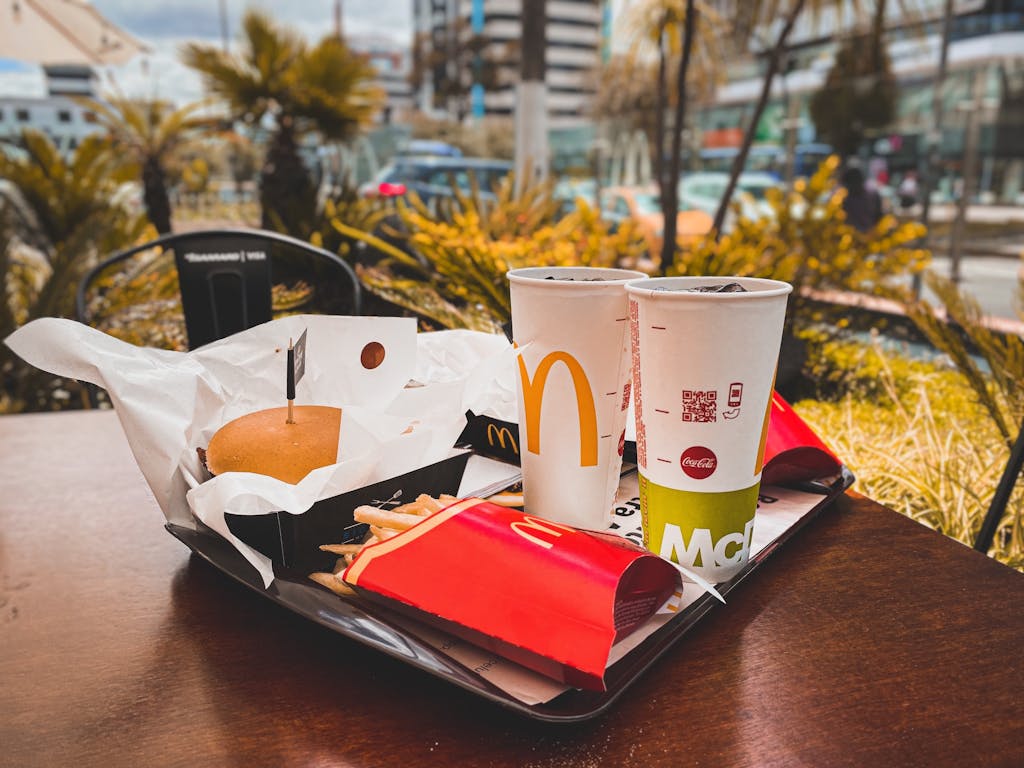
Since February 2022, more than a thousand Western companies have suspended or pulled out of Russia in the wake of the invasion of Ukraine. For anyone landing in Moscow or St. Petersburg today, the effect is disorienting: the commercial landscape looks familiar —the same burgers, the same shopping malls, the same coffee to go— but the names and logos don’t quite add up. Where there used to be a McDonald’s there’s now a sign you don’t recognize, the shop that was once Zara carries a different brand, and your credit card doesn’t work at the ATM.
The departure of Western brands didn’t leave a vacuum —it triggered a huge replacement operation. In this guide I go through it category by category: what each brand used to be and the name you’ll find it under now, so you know exactly what you’re buying, eating or paying for during your trip.
Quick decoder table
If you only read one thing before you travel, make it this table. It rounds up the swaps you’re most likely to bump into on the street; further down I break down each case in detail.
| Before (Western brand) | Now in Russia | Category |
|---|---|---|
| McDonald’s | Vkusno i tochka (Вкусно — и точка) | Fast food |
| KFC | Rostic’s | Fast food |
| Starbucks | Stars Coffee | Coffee shops |
| Pizza Hut | Pizza N | Restaurants |
| Zara | Maag | Fashion |
| Bershka | Ecru | Fashion |
| Pull & Bear | Dub | Fashion |
| Stradivarius | Vilet | Fashion |
| IKEA | Swed House (copycat) | Home |
| Leroy Merlin | Lemana Pro | DIY |
| Decathlon | Desport | Sports |
| Coca-Cola | Dobry Cola (Добрый) | Drinks |
| Fanta | Fancy | Drinks |
| Sprite | Street | Drinks |
| Sephora | Ile de Beauté | Cosmetics |
| Renault | Moskvich (Москвич) | Cars |
| Foreign Visa / Mastercard | Mir (МИР) | Payments |
| Apple Pay / Google Pay | Mir Pay / SBP | Payments |
Why they left —and how they “came back to life”
After the conflict in Ukraine, pressure from investors, consumers and sanctions pushed hundreds of companies to leave. But the outcomes weren’t all the same, and understanding the three patterns that keep repeating will help you make sense of any sign you come across.
1. Sold and renamed
The most common formula: the brand sold its Russian business to a local operator or a franchisee, who reopened the same premises under a new name, keeping the staff, the suppliers and often an almost identical menu or catalogue. That’s how Vkusno i tochka (formerly McDonald’s), Stars Coffee (formerly Starbucks) and Maag (formerly Zara) were born. For the customer, the change is mostly the sign over the door.
2. The local copycat
When a brand left without selling —like IKEA— local companies sprang up to fill the gap with deliberately similar products and look. The clearest case is Swed House, a Belarusian furniture chain whose founder summed up the mood of the moment with a now-famous line: “IKEA didn’t invent the plate.”
3. The exit that wasn’t
There’s a third, murkier group: companies that announced their departure and rebranded but that —according to investigative reporting— are in practice still operating through shell companies in Dubai, with the same executives and supply coming from the parent group. The best-documented example is Leroy Merlin, rebranded as Lemana Pro.
Two legal moves made this possible. First, Russia passed a decree allowing the use of trademarks and patents from “unfriendly” countries (the US, the UK, the EU) without paying the rights holder. Second, it legalized parallel imports: bringing in genuine products from brands that left (an iPhone, a can of Coca-Cola) through third countries without the manufacturer’s permission. That’s why plenty of Western products still turn up on the shelves even though the company itself is long gone.
Fast food and coffee shops
McDonald’s → Vkusno i tochka
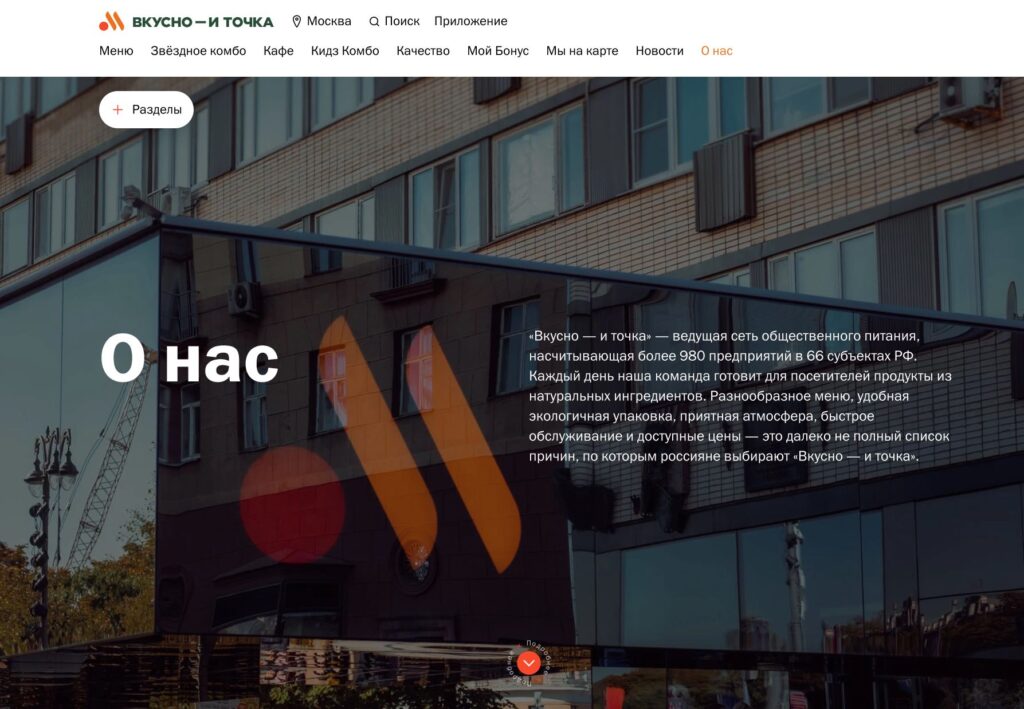
This is the most symbolic rebrand of them all. McDonald’s sold its 800-plus restaurants to one of its local licensees, the Siberian businessman Alexander Govor, and in June 2022 they reopened as Vkusno i tochka (Вкусно — и точка), which means “Tasty, full stop.” The relaunch was staged on Moscow’s Pushkin Square, where the country’s first McDonald’s had opened in 1990 as a symbol of opening up to the world. The menu stayed almost the same, but the trademarked names vanished —goodbye Big Mac, McFlurry and Big Tasty— along with the golden arches.
KFC → Rostic’s
Yum! Brands handed its franchise over to the local company Smart Service. There’s a historical wink here: Rostic’s isn’t a made-up name but a 1990s Russian chicken chain that KFC ended up absorbing in 2005. For the customer the change is almost imperceptible: the red-and-white colors, the buckets of chicken and most of the menu all stay. What disappears is Colonel Sanders. Don’t be surprised if you still spot the odd KFC sign: some franchisees were able to keep the original brand.
Starbucks → Stars Coffee
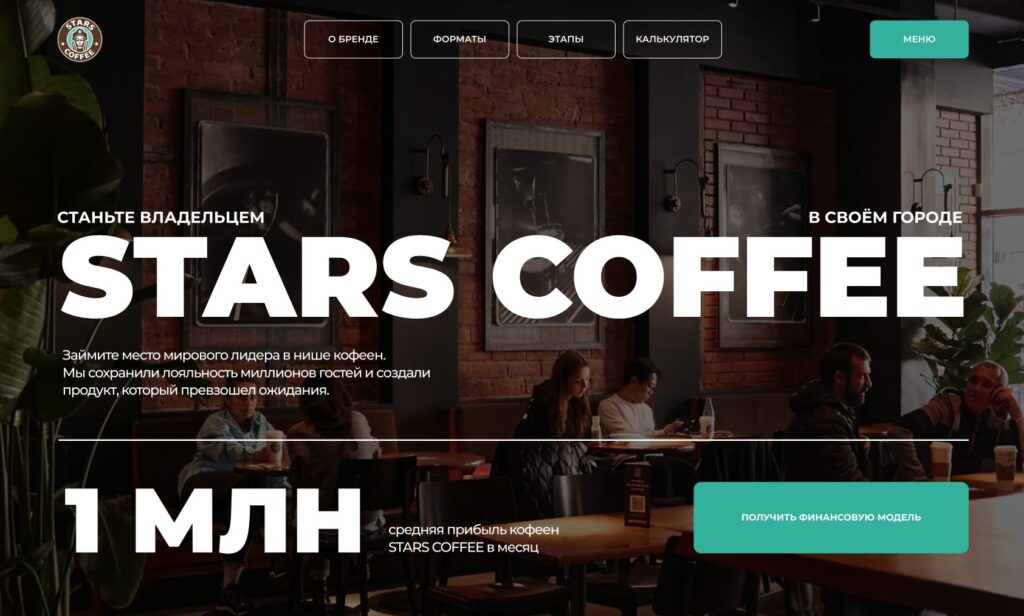
Starbucks’ coffee shops reopened as Stars Coffee, in a deal led by the Russian rapper Timati and businessman Anton Pinsky. The logo is a deliberate knock-off —a female figure inside a green circle— but the siren is swapped for a woman wearing a kokoshnik, the traditional Russian headdress.
Pizza Hut and Burger King
Pizza Hut became Pizza N. Burger King is the big exception: it announced its intention to leave, but its restaurants are still open under their own name, because the Russian business was in the hands of a joint venture with a local partner who refused to close, and the parent company couldn’t unwind the deal. So yes: you can still walk into a working Burger King in Moscow.
Fashion and clothing
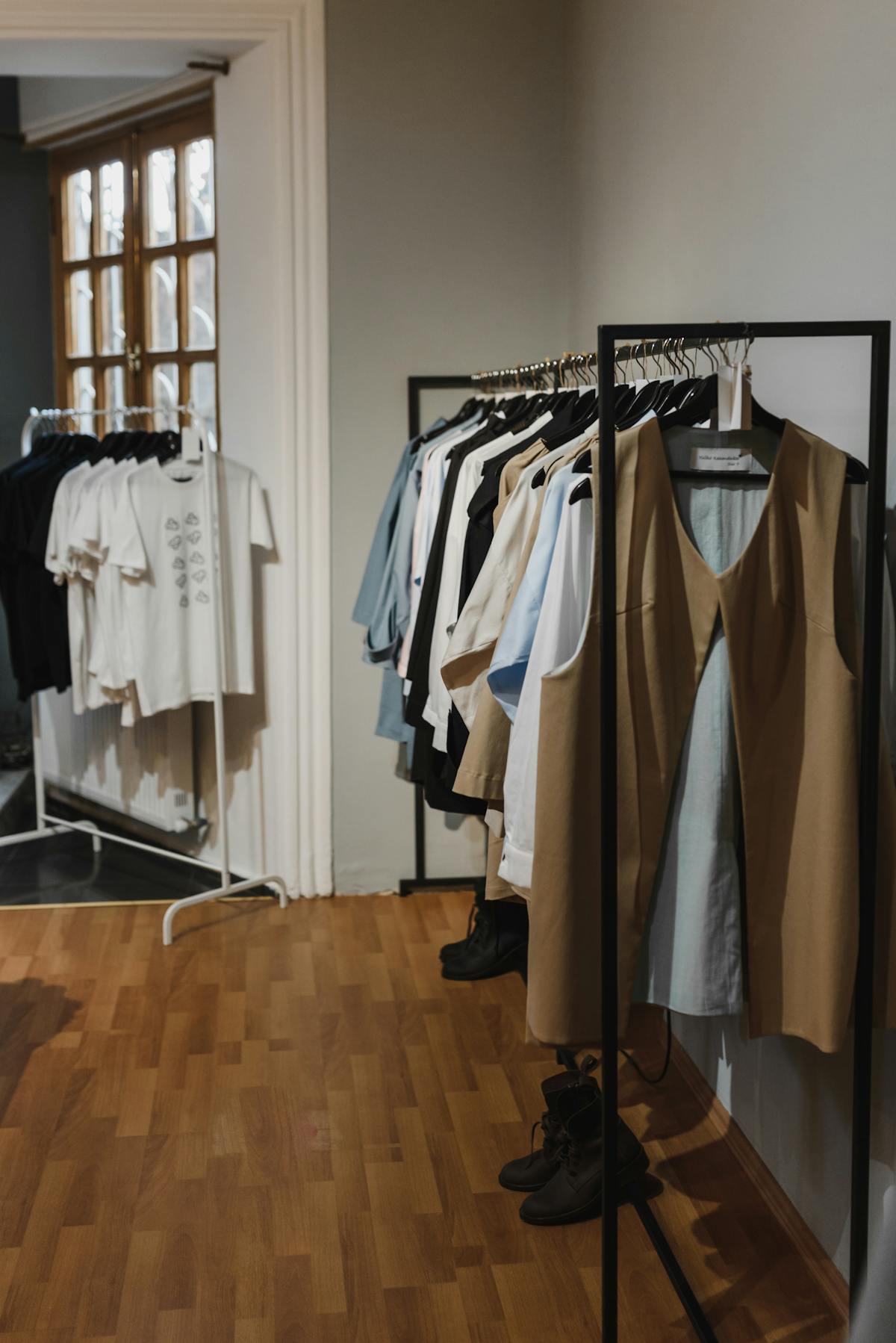
The Spanish group Inditex closed its 500-plus stores in March 2022 and ended up selling its Russian business to the Daher group (a Lebanese company, its Middle East franchisee), through a firm registered in Dubai. Of the old stores, around 245 reopened under new names and the rest shut down. Here’s the exact match-up:
- Zara → Maag
- Bershka → Ecru
- Pull & Bear → Dub
- Stradivarius → Vilet
Massimo Dutti, Oysho and Uterqüe, on the other hand, got no new brand: their stores were among those that closed for good. According to the trade press, the product is practically identical, with the same suppliers and part of the old workforce. It’s worth knowing that the deal left Inditex the door open to return as a franchise if circumstances change.
Other fashion chains
Beyond Inditex, the pattern repeats. H&M closed and sold off its stock with no clear rebrand. The Polish group LPP (Reserved, Cropp, Sinsay, Mohito) sold its Russian business and its stores carried on under new signs. Mango chose to stay on through a local franchise. And Nike and Adidas shut their official stores, although their products keep arriving via parallel imports.
Home and DIY
IKEA → Swed House (copycat)
IKEA is one of the cases with no official successor: it sold off its stock, sold its factories and withdrew without handing over its brand. The gap has been filled mainly by Swed House, a Belarusian furniture chain that mimics the Nordic style, with pseudo-Swedish product names and a catalogue that looks a lot like the Swedish giant’s. It isn’t IKEA, but it wants to look like it. The big Mega shopping malls that IKEA used to run in Russia changed hands.
Leroy Merlin → Lemana Pro
The French DIY chain rebranded as Lemana Pro (the operating company was renamed Le Monlid, controlled by Dubai-based Scenari Holding). The new name combines, according to the company, the ideas of Leader, Maison and Nature. But it’s one of the best-documented cases of a “façade exit”: investigations point out that the same French director is still in charge, that the brands are registered through to 2031, and that product is still supplied through Adeo, the parent group. For the traveler, the upshot is that you’ll walk into a store identical to a Leroy Merlin under a different name. Germany’s OBI also handed its Russian stores over to local management.
Sports
Decathlon → Desport
Decathlon suspended operations in 2022 and sold its Russian business to the company ARM (the same one that runs the Mango franchise). The stores reopened in late 2023 as Desport, a name taken from the old French word desport (“entertainment” or “play”), from which the word “sport” itself derives. Over time, Desport has rebuilt much of the original range and is developing its own brands. There was controversy too: an investigation claimed Decathlon had quietly kept supplying the Russian market through a subsidiary in Singapore. On top of that, the Russian chain Sportmaster took over some former Decathlon premises under its “Sportmaster Pro” banner. Desport is still open, but on the back foot (store closures and a bankruptcy claim in the mix).
Drinks and food
The soft-drinks aisle is where the imitation game shows most clearly. The original Coca-Cola stopped being made in the country, and its place is taken mainly by Dobry Cola (Добрый, “good” or “kind”), produced by Coca-Cola’s former local bottler. It’s the market leader and its look echoes the original. Alongside it sit other local colas like CoolCola and Cola Chernogolovka. The company Ochakovo went further and launched look-alike substitutes with near-identical names:
- Fanta → Fancy
- Sprite → Street
—to the point of avoiding Western names even in the ingredient lists. Even so, genuine Coca-Cola and Pepsi still show up in many shops thanks to parallel imports, and PepsiCo kept part of its business going (juices, dairy, snacks) even after it stopped selling Pepsi. One sign worth watching: in 2025 Coca-Cola re-registered its trademarks in Russia, which suggests it isn’t ruling out a return one day.
Cosmetics and perfume
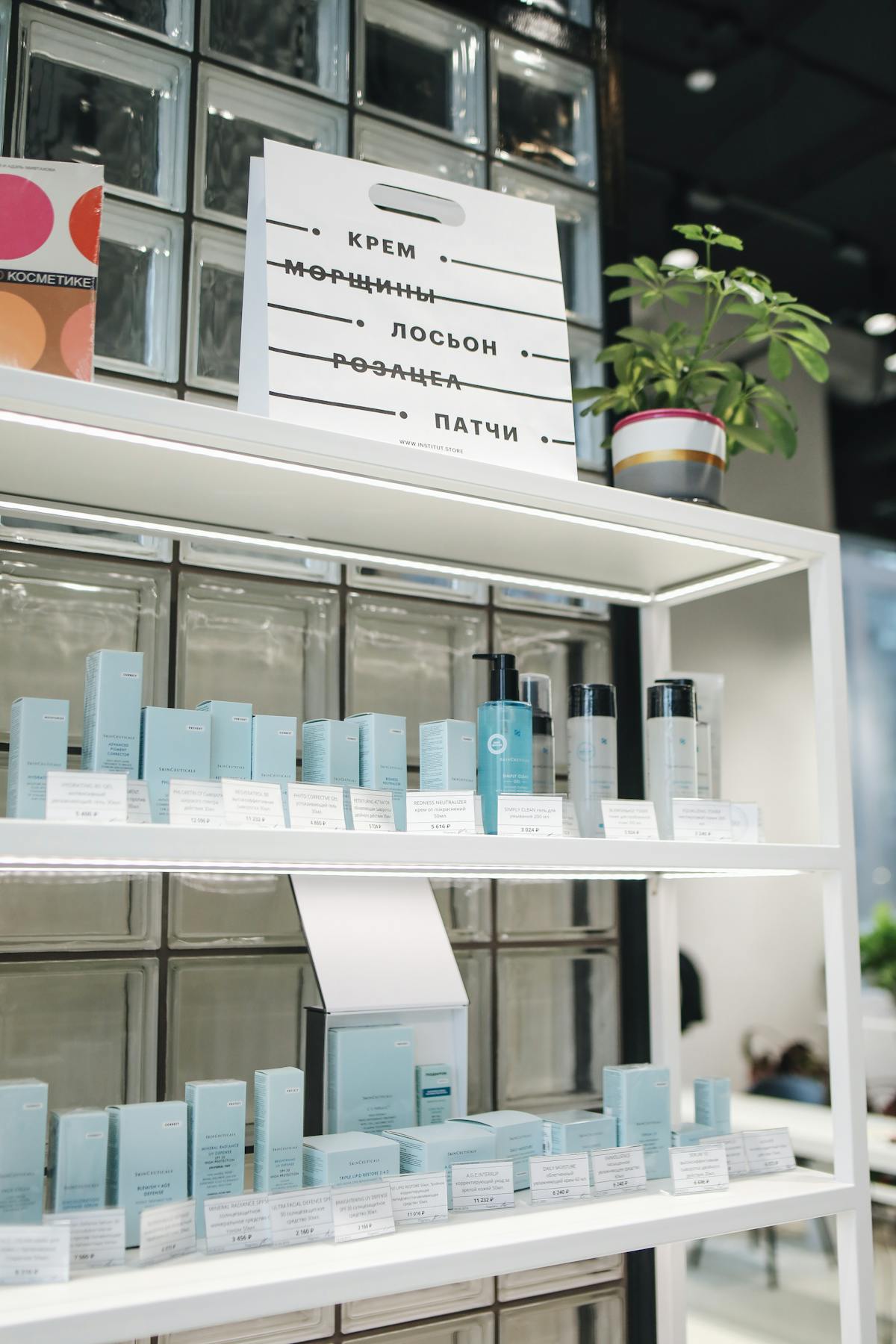
Sephora → Ile de Beauté
LVMH’s perfume chain sold its Russian arm (88 stores) to its local director and reopened as Ile de Beauté. There’s a nice twist to the story: Ile de Beauté was the very Russian chain Sephora had bought in 2016 and converted to its own brand; on leaving, it simply reverted to the old name. The big winner from the whole shuffle has been the Russian chain Zolotoye Yabloko (“Golden Apple”), now the country’s go-to perfumery.
As for product brands, giants such as L’Oréal, Estée Lauder, Chanel, Coty and Shiseido suspended operations; L’Occitane sold its business to local management. Their place has been taken by Russian, Turkish, Middle Eastern and —above all— Asian brands, plus parallel imports.
Cars
Perhaps the deepest transformation, and the most visible one on the street.
Renault → Moskvich
Renault left Russia in a textbook operation: it sold its majority stake in AvtoVAZ (the maker of Lada cars) to the Russian state for a symbolic one ruble, with a six-year buy-back option, and handed over its Moscow factory —also for one ruble— to the city government. That plant was renamed the “Moskvich Moscow Automobile Plant” and revived the historic Soviet brand Moskvich (Москвич, “Muscovite”). The catch: the “new” Moskvich is really a Chinese JAC car under another name, and production is limited. Lada cars are still built under state control, although at first they had to drop features like ABS and airbags because of sanctions.
The “Sinicization” of Russia’s cars
The real replacements haven’t come from Russian brands but from Chinese ones. With Renault, Nissan, Toyota, Volkswagen, Mercedes, Hyundai and Kia gone, makers like Haval, Chery (with its Omoda and Exeed sub-brands), Geely and Changan have gone from a token presence to taking over much of the market. If you see a new car in Russia, chances are it’s Chinese.
Tech and electronics
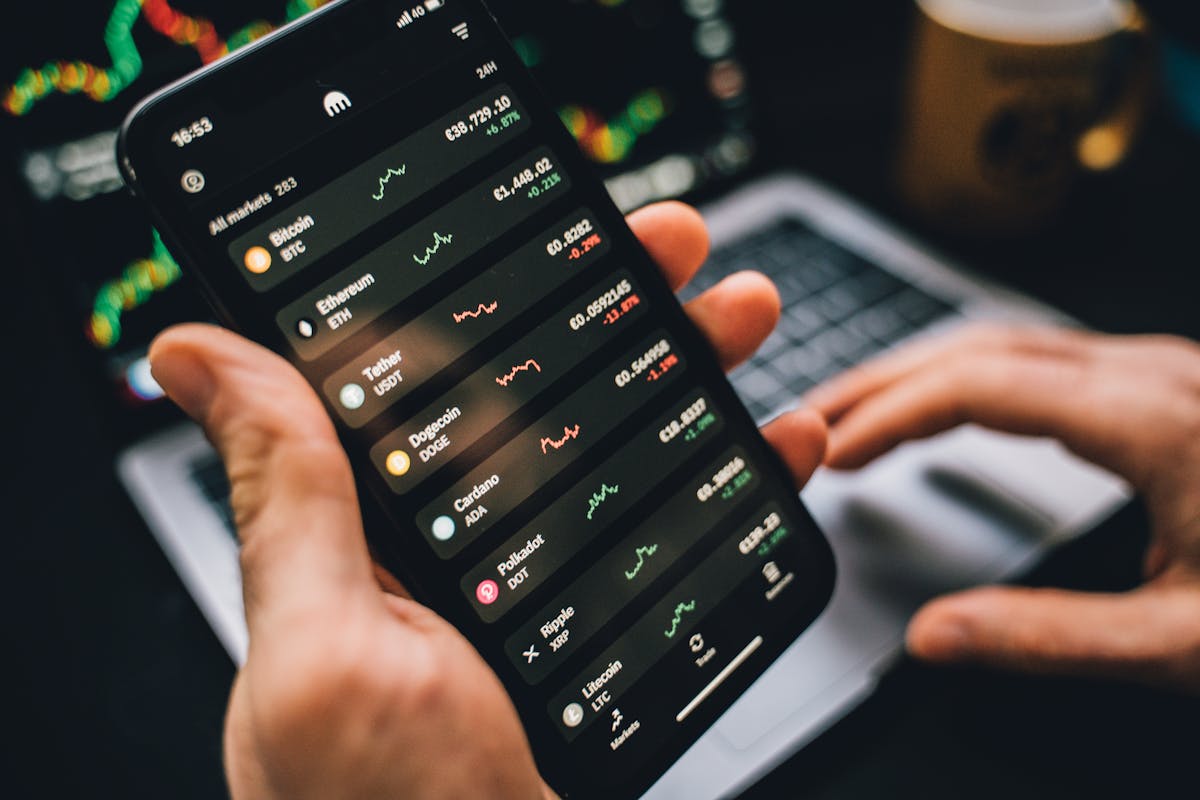
Here the logic is different: the big tech companies didn’t rebrand —they simply stopped selling officially. Apple, Samsung, Microsoft, Intel and Sony suspended operations in 2022. So what do you find today?
iPhones and Western devices that arrive through parallel imports from Armenia, Kazakhstan, Kyrgyzstan, Turkey or the Emirates. They’re genuine devices, but with no official warranty and sometimes slower updates. The bulk of the phone market is dominated by Chinese brands (Xiaomi, Honor, Realme, POCO), which also tweak their handsets to Russian requirements, such as pre-installing local search engines.
Because online, Yandex rules —Russia’s answer to Google (and to Amazon, via Yandex.Market, and to Uber, via Yandex Go). The law requires devices to ship with a Russian search engine pre-installed. The go-to social network is VK (VKontakte), and the state is pushing a new “superapp” called Max. For the traveler, the lesson is practical: download whatever you need (maps, translator, transport) before you travel, because some Western services work poorly or are blocked.
Payments: the part that matters most to you
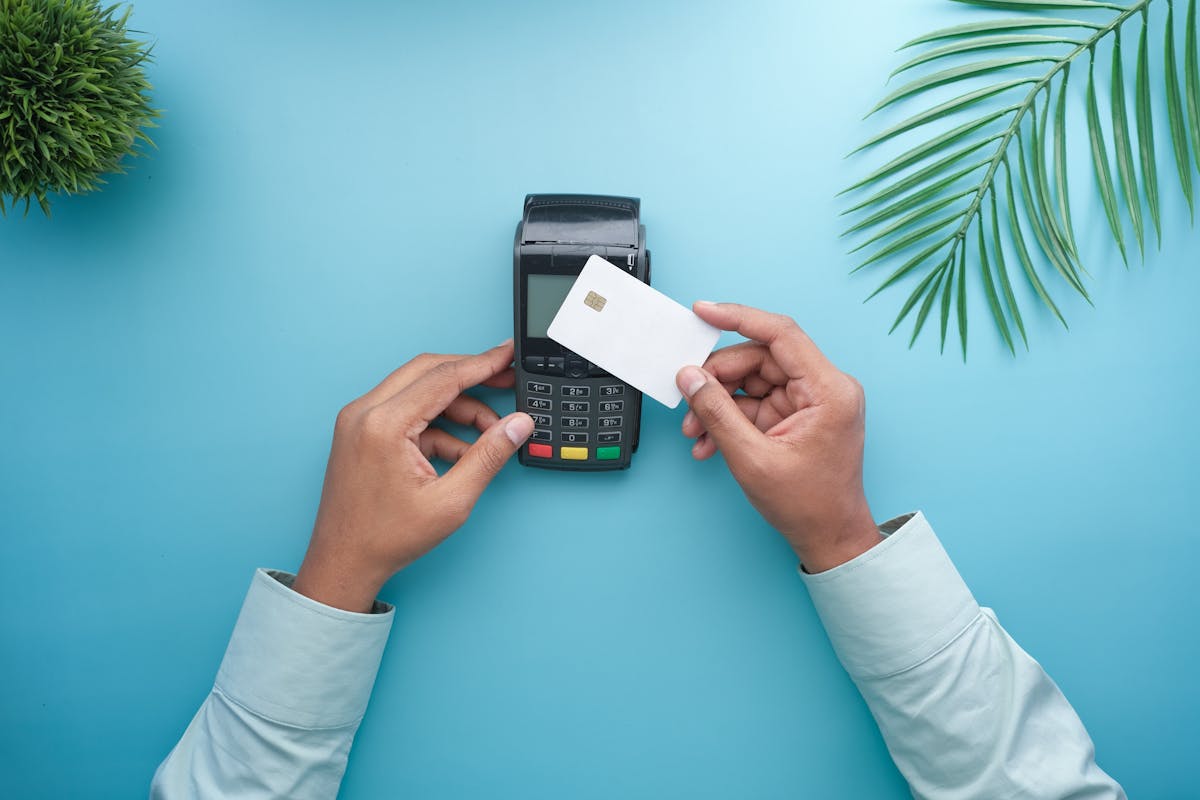
Your foreign Visa or Mastercard does NOT work in Russia
Visa, Mastercard, American Express and JCB cards issued outside Russia don’t work inside the country: not for paying in shops, hotels or restaurants, not for withdrawing cash from ATMs, and not on Russian websites. The block is geographic and absolute; telling your bank you’re traveling makes no difference. Apple Pay, Google Pay and Samsung Pay don’t work either, even when they’re linked to a foreign card.
So what’s used instead? Russia’s domestic system, Mir (МИР), run by the central bank. Visa and Mastercard cards issued by Russian banks do work inside the country, because they’re processed through the national network. And day to day, Russians increasingly pay by phone using Mir Pay (the Android replacement for Google Pay), SberPay, T-Pay or the SBP fast-payment system based on QR codes.
Your options as a tourist: bring cash in euros or dollars and change it there (you can bring in up to €10,000 or $10,000 without declaring it); or, if you’re staying several days, open an account with a Russian bank to get a Mir card. The UnionPay (Chinese) cards that some people hoped would be a global fix aren’t very reliable.
Are Western brands coming back?
Through 2025 there were plenty of rumors about brands returning, fueled by the diplomatic thaw between Washington and Moscow. They’re worth taking with a pinch of salt: much of it came from Russian media and Telegram channels with no solid sourcing.
What’s confirmed points more towards caution. In April 2025, both McDonald’s and Coca-Cola explicitly ruled out returning, citing sanctions and legal obstacles still in place. Inditex keeps the right to come back via franchise, but has announced nothing. And the Russian government has floated controversial conditions, such as requiring clothing chains to open stores in the annexed Ukrainian territories if they want to return.
What you’ll find in 2026
On the ground you’ll see the rebrands: Vkusno i tochka, Stars Coffee, Maag, Lemana Pro, Dobry Cola… The original Western brands are, for the most part, still absent from the shop windows, except for what comes in through parallel imports. And your foreign card will still not work.
In This Article
Was this useful? I'll tell you when something changes in Russia
One short email a month with what has changed for travellers (visas, payments, border crossings, apps), based on what readers report to me from Russia. More than 4,000 of us already. No spam: if you ever lose interest, unsubscribing is one click.
Irena DomingoAbout Me
I was born in Russia. I grew up between two worlds: my father was Russian, my mother Spanish — a descendant of the "Children of Russia", the Basque children evacuated to the USSR during the Spanish Civil War. I've worked as a translator, interpreter and Russian teacher for over 30 years, and since 2013 I've been writing this blog to help travelers discover Russia with practical, always up-to-date information. Author of the Russiable Guide. If this blog has helped you plan your trip, you can buy me a coffee ❤️.
 Understanding Russia Through Film: Essential Movies to Watch Before You Travel